

your photography?
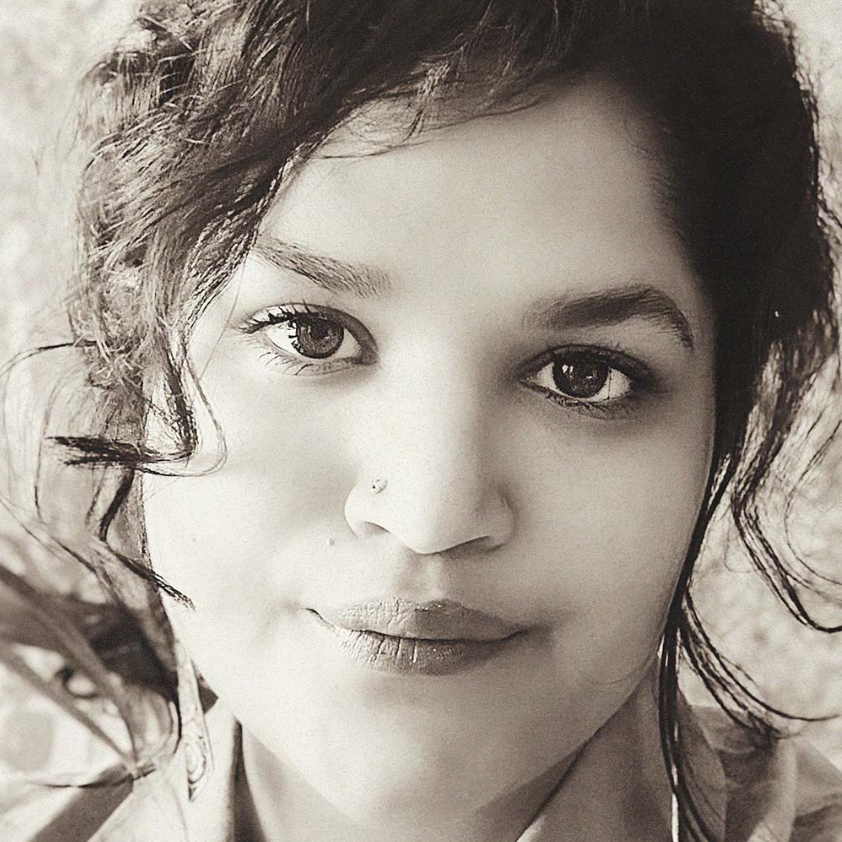
She did not yet see herself as a visual storyteller. The themes that would later shape her work, memory, healing, belonging, and transformation, were present but unresolved. They existed beneath the images but without structure or narrative direction. The practice was active but the process lacked cohesion.
What was missing was not talent or commitment, but clarity.
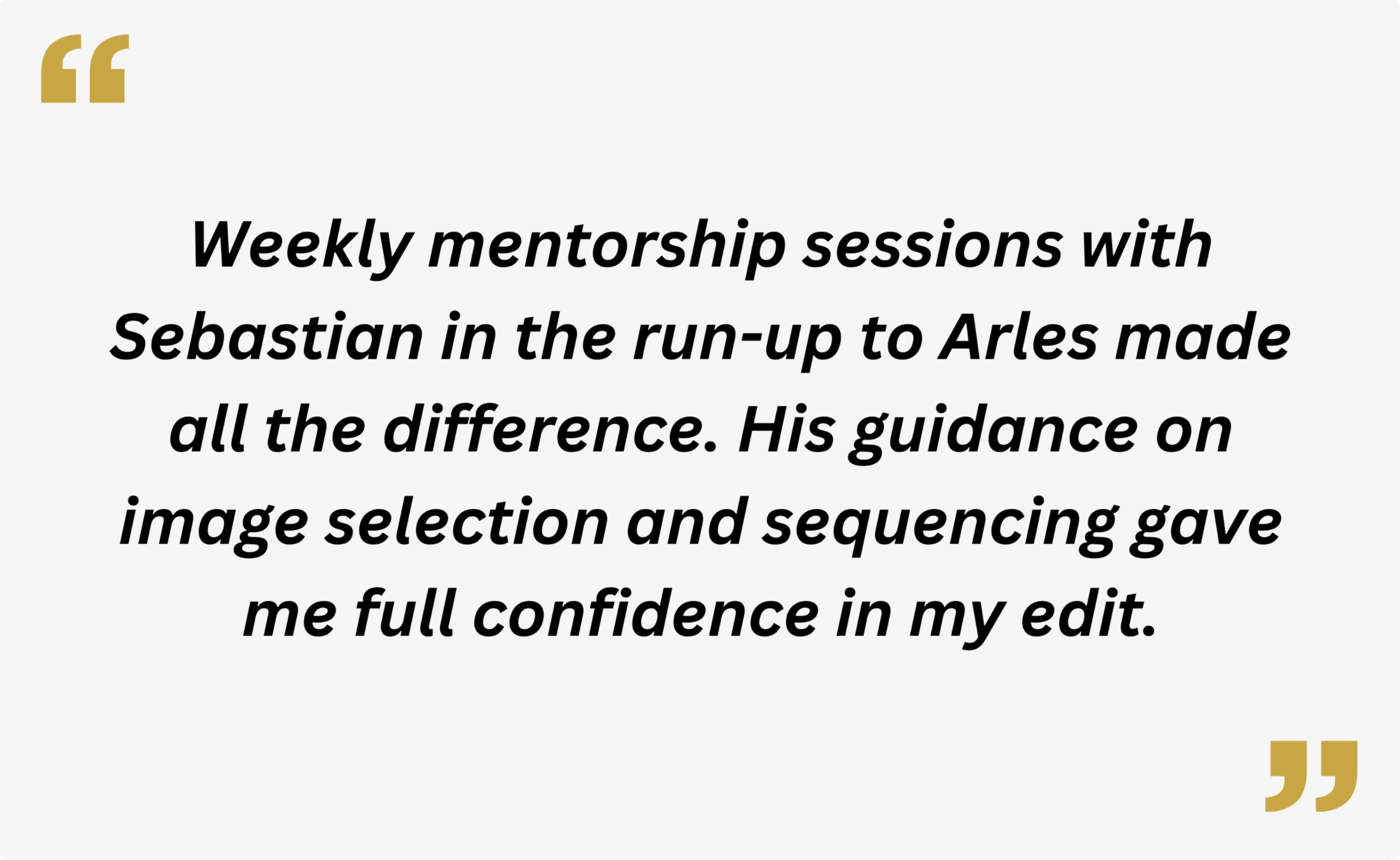
Our early sessions focused less on photography itself and more on understanding what Ratika was responding to emotionally. Instead of pushing forward, we slowed down. Through long conversations and detailed editing sessions, we began to identify recurring questions, moods, and visual impulses across her images. Patterns started to appear. What initially felt scattered slowly revealed coherence.
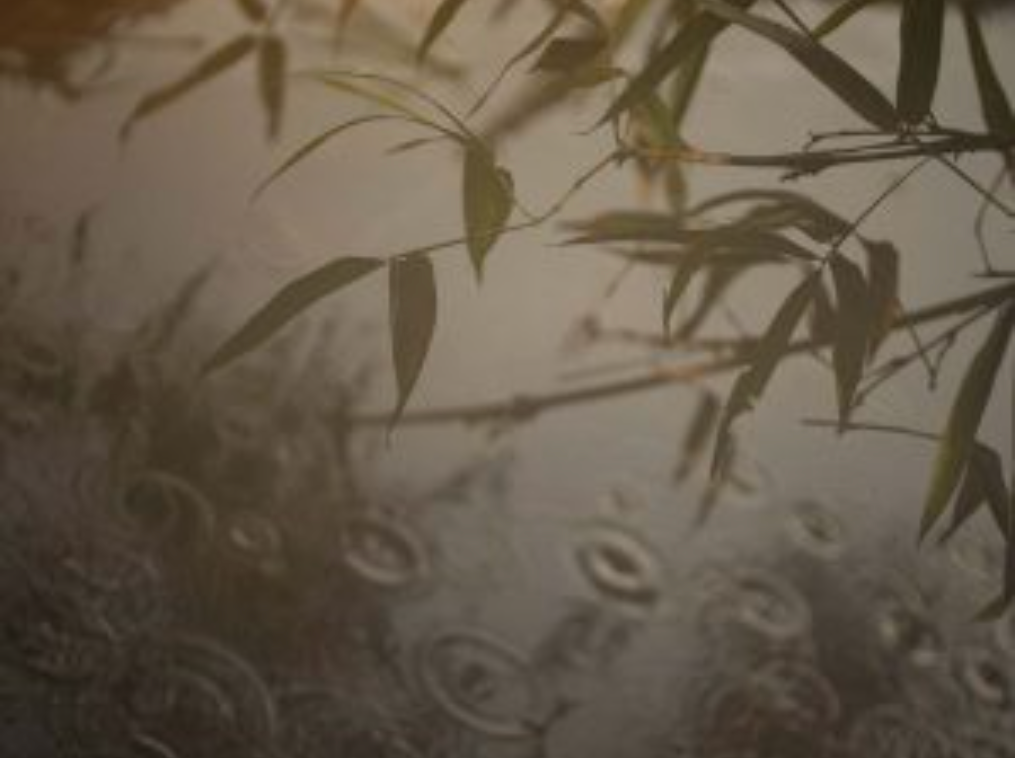
Through this process, Ratika learned that meaning does not come from individual images alone, but from how images speak to each other. Editing became a way of thinking. Sequencing became a form of authorship.
Editing became the place where meaning emerged.
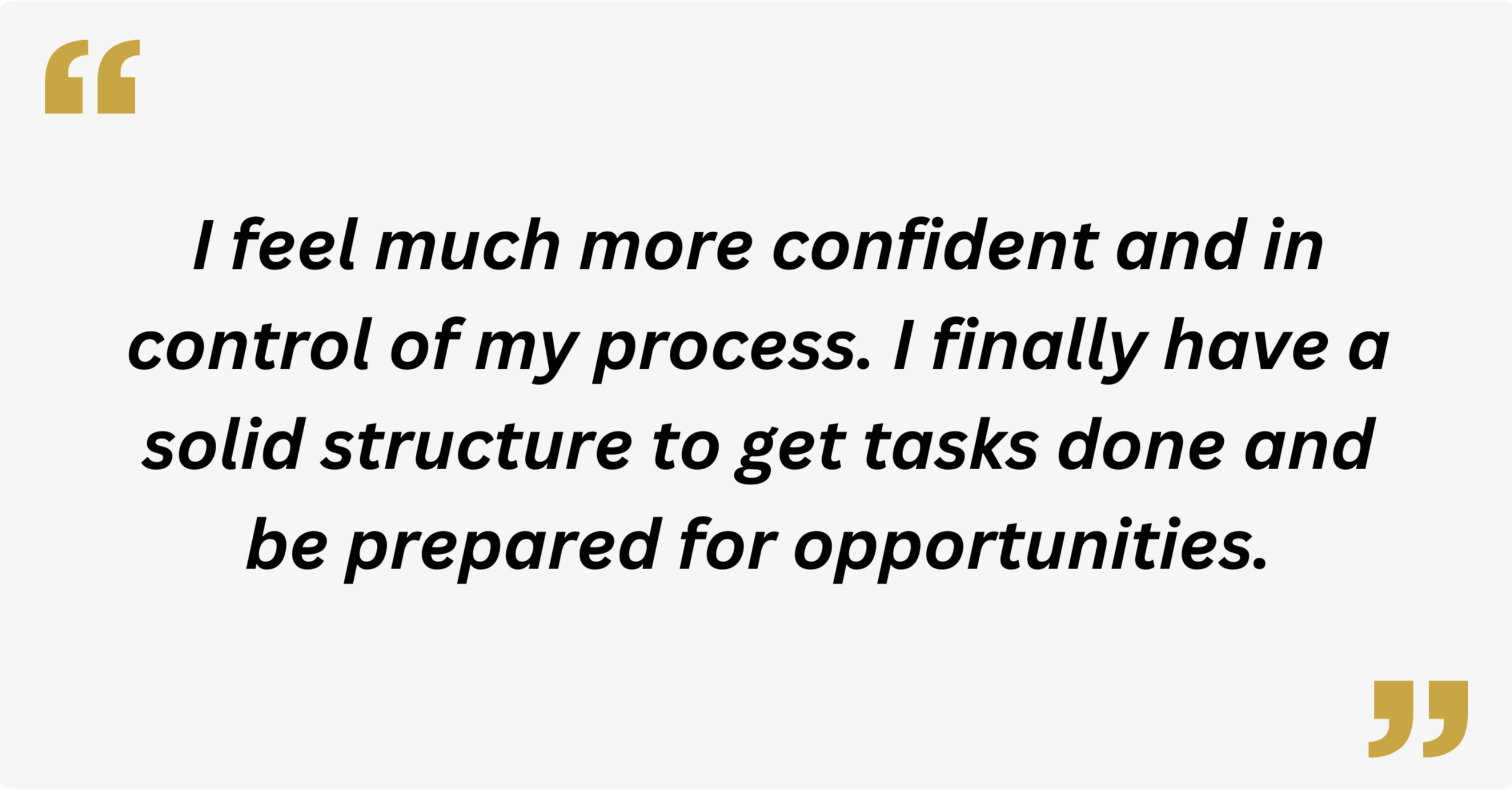
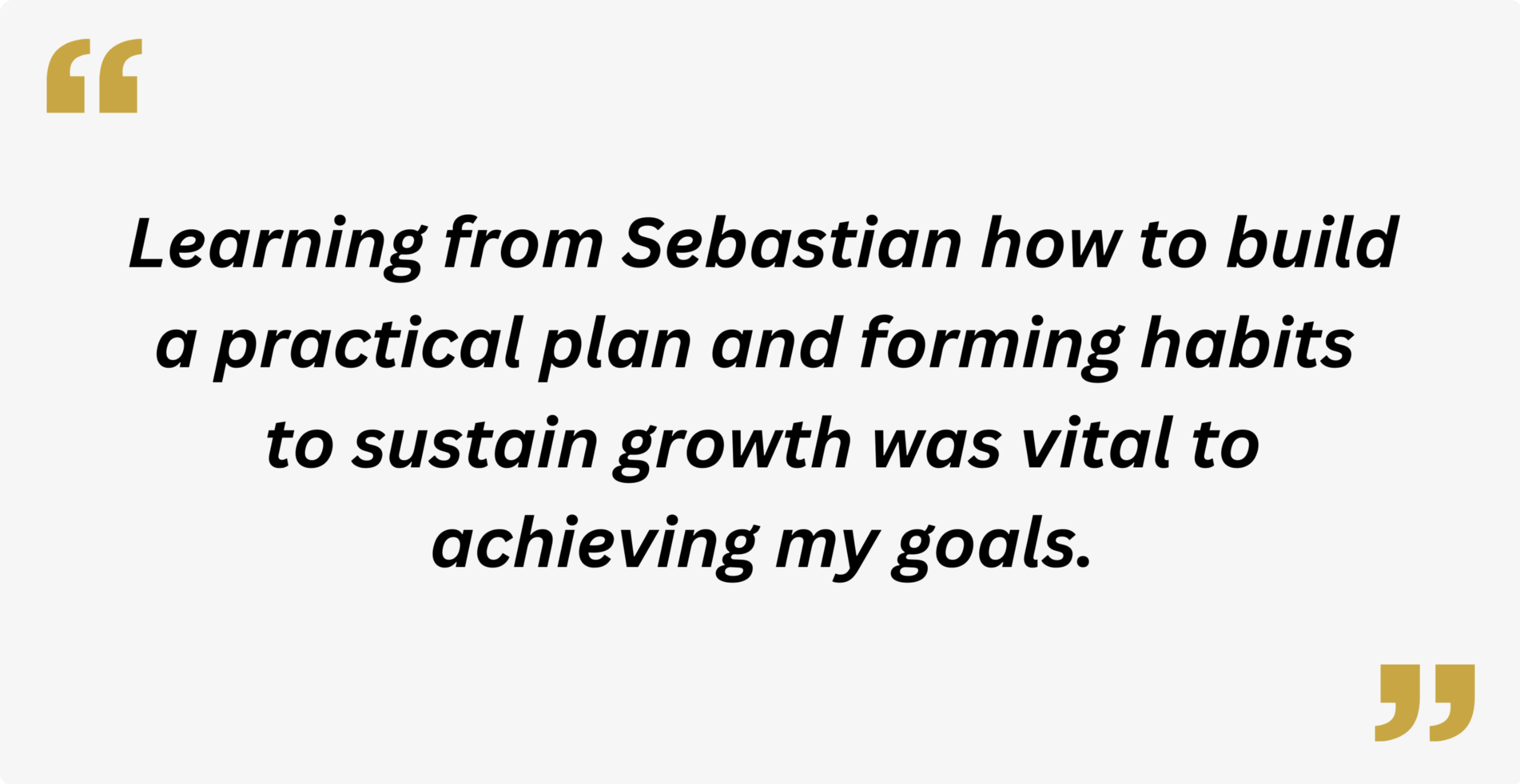
Alongside the creative work, we focused heavily on structure. Long-term projects demand sustainability. We discussed habits, rhythms, and the emotional resistance that often appears when work becomes personal. Structure was introduced not as discipline for its own sake, but as support to enhance the creative process.
As this clarity emerged, photography shifted from something exploratory to something deliberate. Ratika moved from photographing instinctively to working with purpose. The camera became a tool for reflection rather than observation alone.
Photography stopped being about collecting images and became a way to investigate experience.
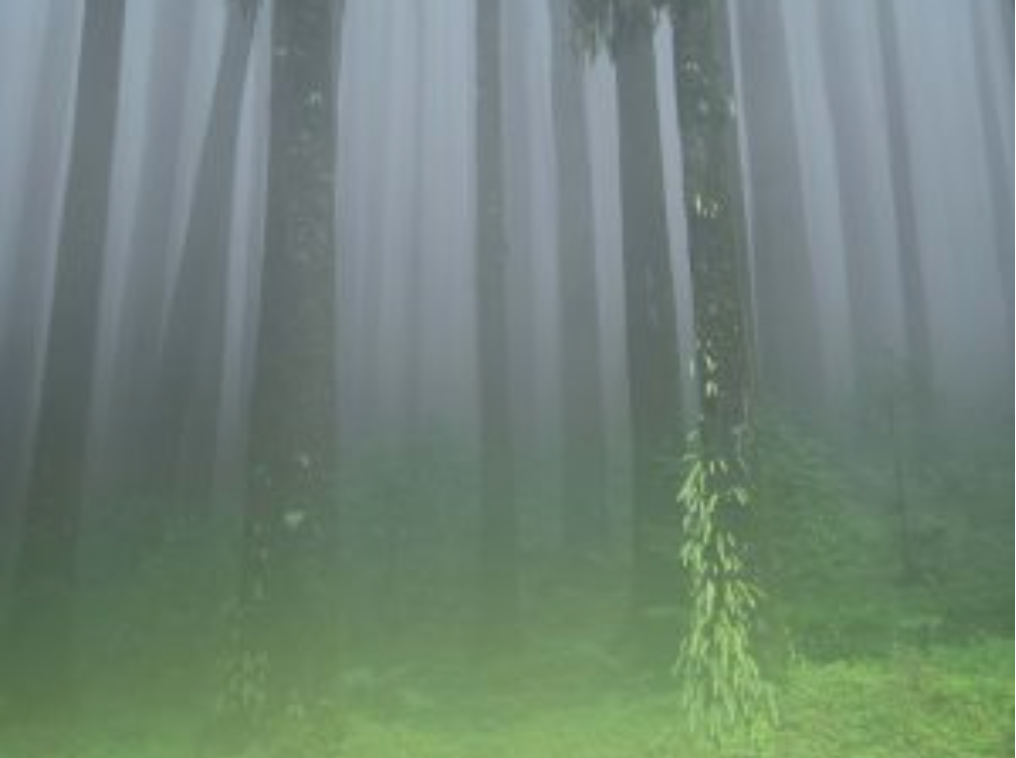
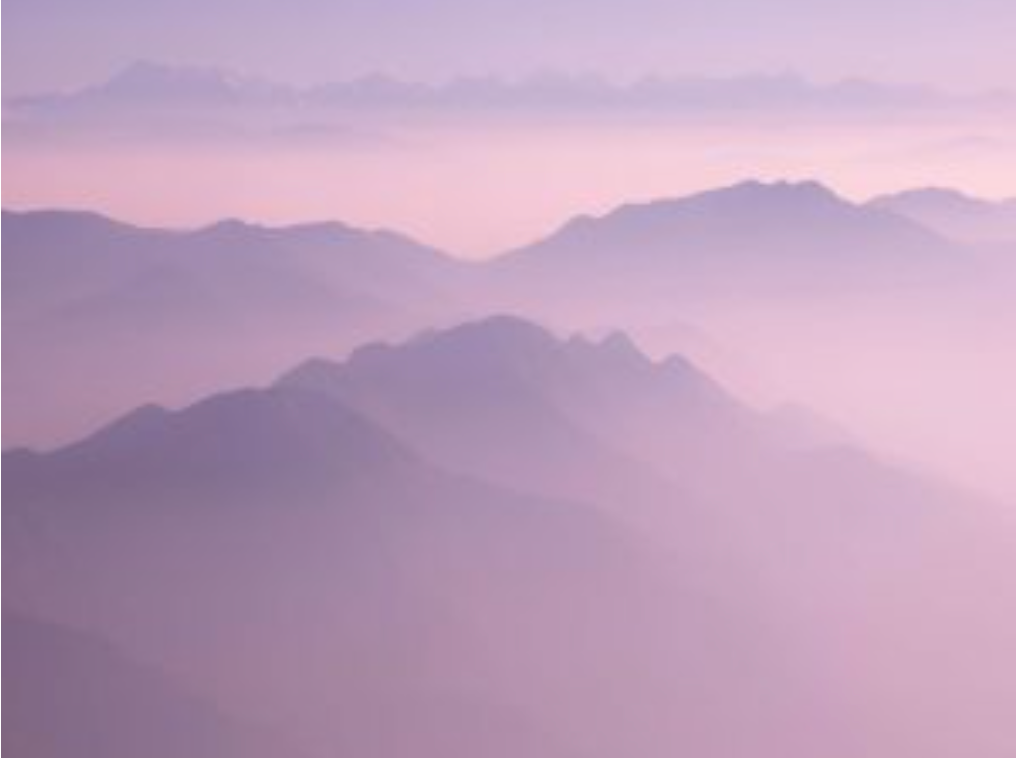
From this process, her long-term project Metamorphosis began to take form. The project was not conceived as a concept first. It emerged organically through sustained work, revision, and questioning. Nature became both subject and collaborator. Breath, light, stillness, and presence shaped the visual language. The work became quieter, but also more precise.
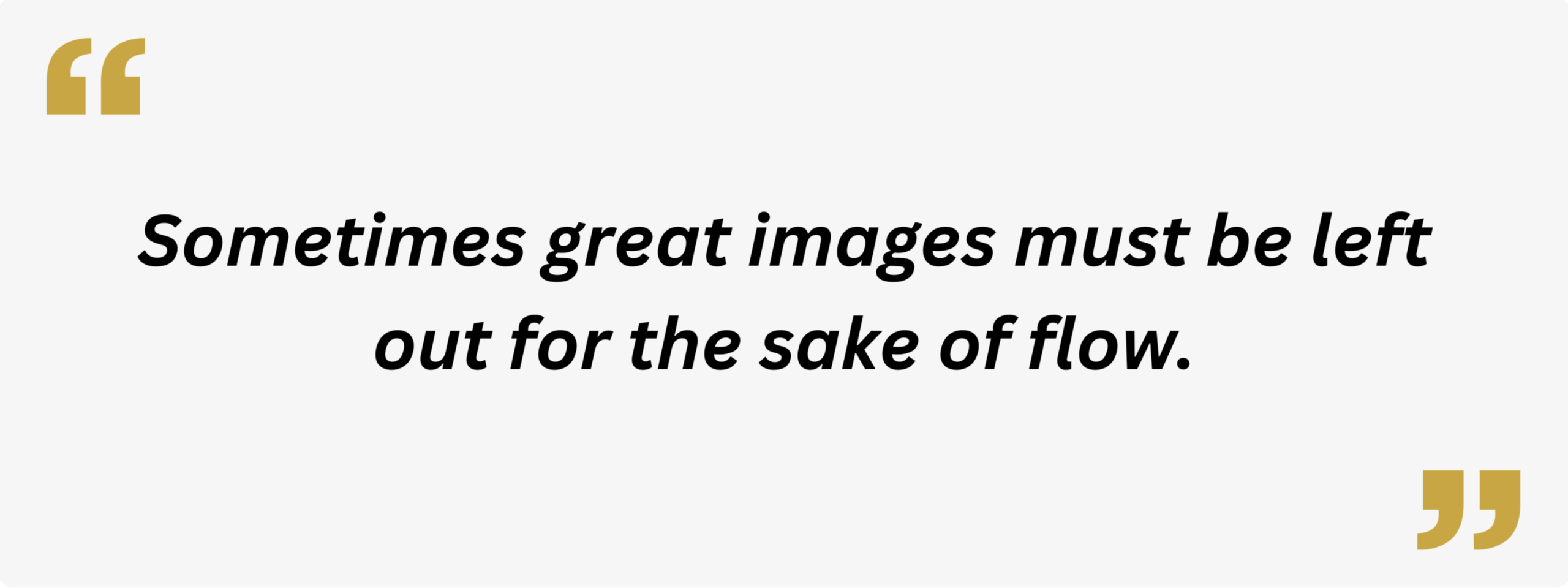
Editing played a central role in this transformation. We spent significant time sequencing and re-sequencing the work, questioning every image’s role within the narrative. Strong photographs were often removed to protect the flow of the story. This was not easy, but it was essential.
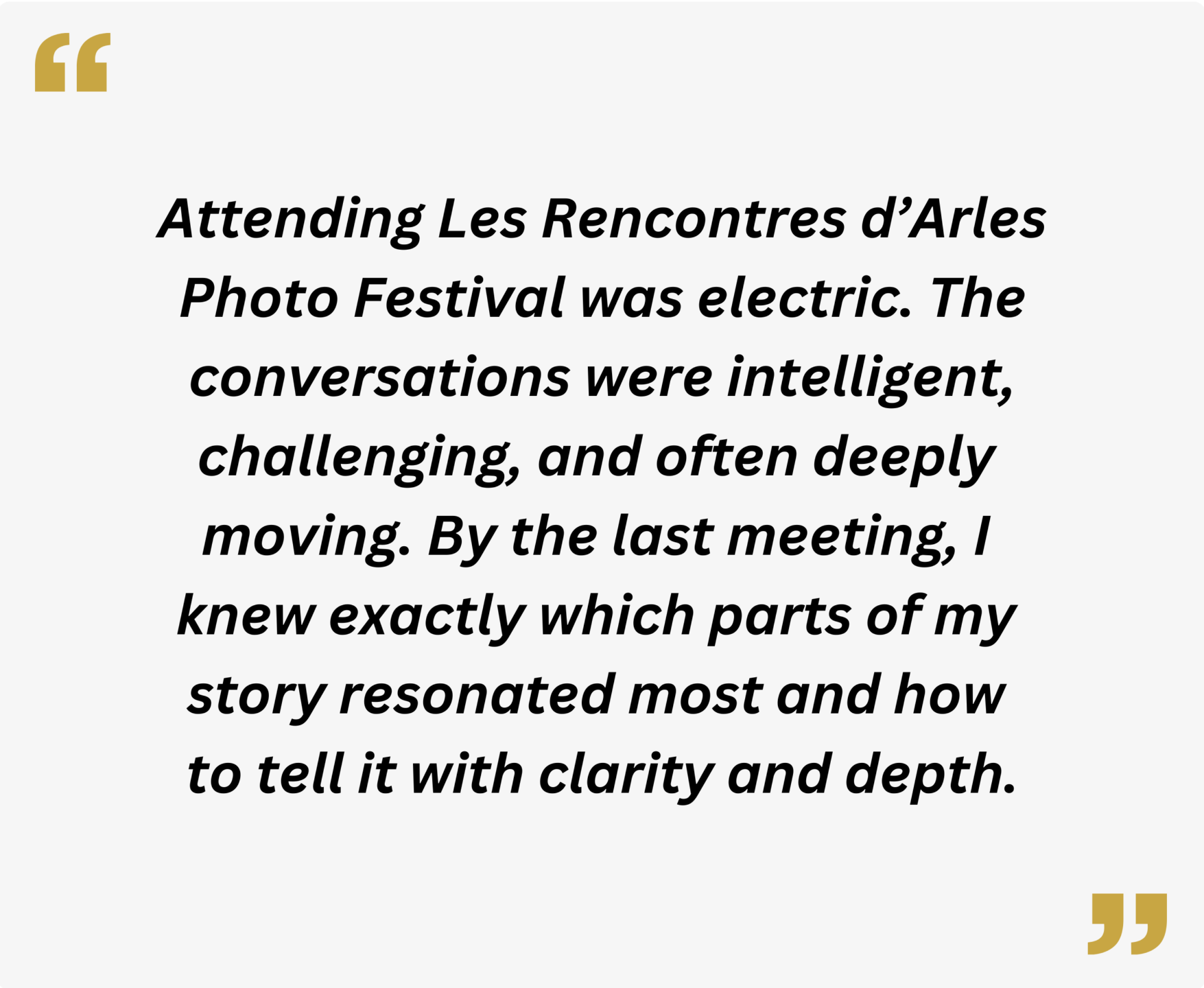
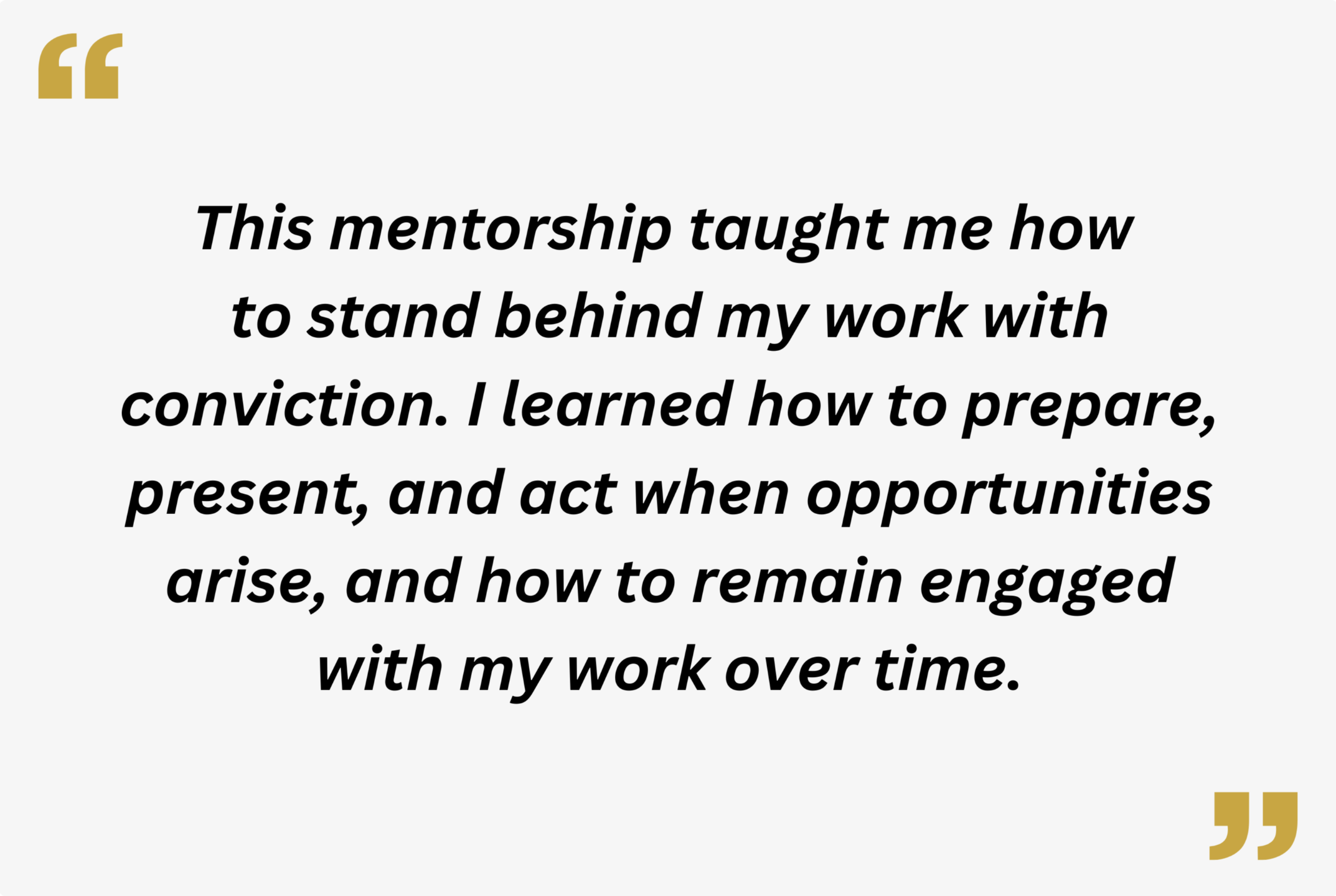
This structure became critical in preparing for Ratika’s first experience at the Les Rencontres d’Arles. In the weeks leading up to the festival, we met regularly to refine her portfolio, sharpen her sequencing, and articulate a clear and honest pitch. The goal was not to impress, but to communicate with clarity as an author.
Ratika committed fully to the experience, scheduling twenty portfolio reviews in five days.
Preparation changed how she experienced the reviews. Instead of reacting emotionally to feedback, she listened for patterns. She took notes after each session. She researched reviewers in advance as we had discussed. This allowed her to leave Arles with real career-changing opportunities rather than confusion.
Then the unexpected happened.
Drawing on insights gained through editing sessions and portfolio reviews, Ratika approached a gallery in Arles with confidence. She was offered the opportunity to exhibit her work at Galerie JF Robert, in the center of the city, during the opening week of the festival.
Within days, she installed the exhibition, created visibility around the work, and welcomed visitors into the space.
This moment was not accidental. It was the result of long-term preparation, clarity of vision, and the ability to act when the right moment appeared.
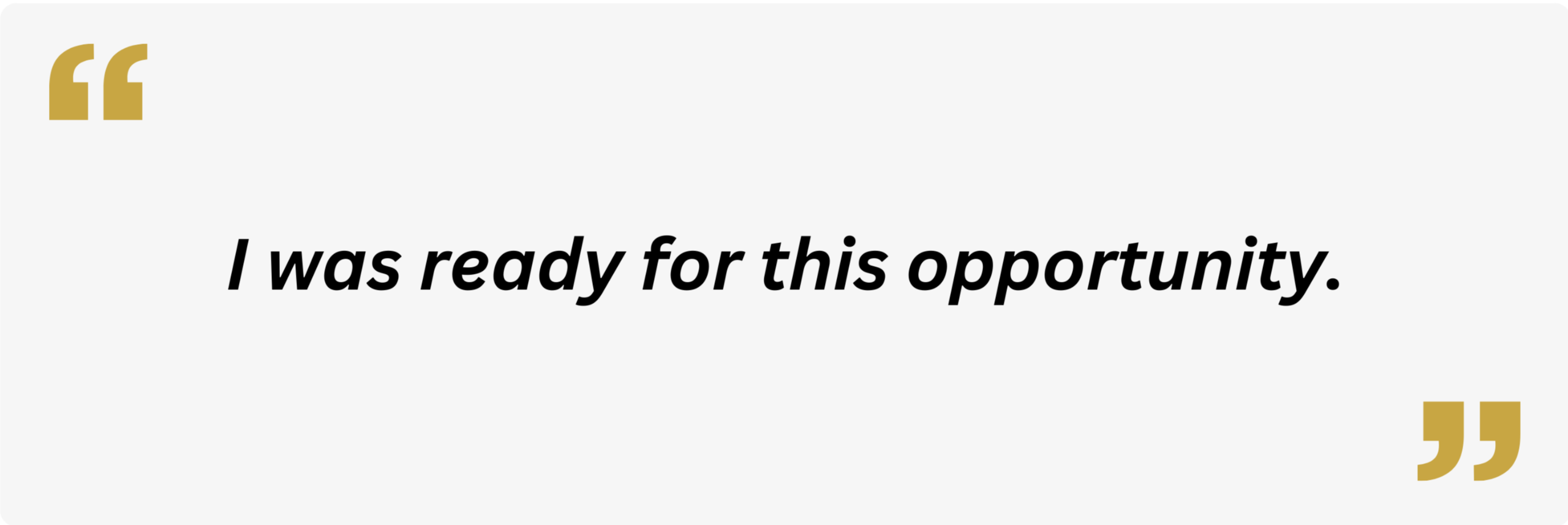
The opportunity arrived because the work was ready.
Since then, Ratika’s practice has continued to mature and expand. She has exhibited internationally, received the Creative Interruptions Grant, and is now in active conversations with American and European publishers regarding her first photo book. She has also been invited to present a solo exhibition in Arles for the 2026 edition, has begun selling prints, and is in dialogue with curators to exhibit her work in Japan, India, Europe, and the United States. These developments are the result of steady preparation and clearer professional positioning, rather than isolated moments of chance.
What stands out most in Ratika’s journey is not one isolated achievement, but a fundamental shift in how she relates to her work. She no longer waits for permission and moves forward with clarity and confidence.
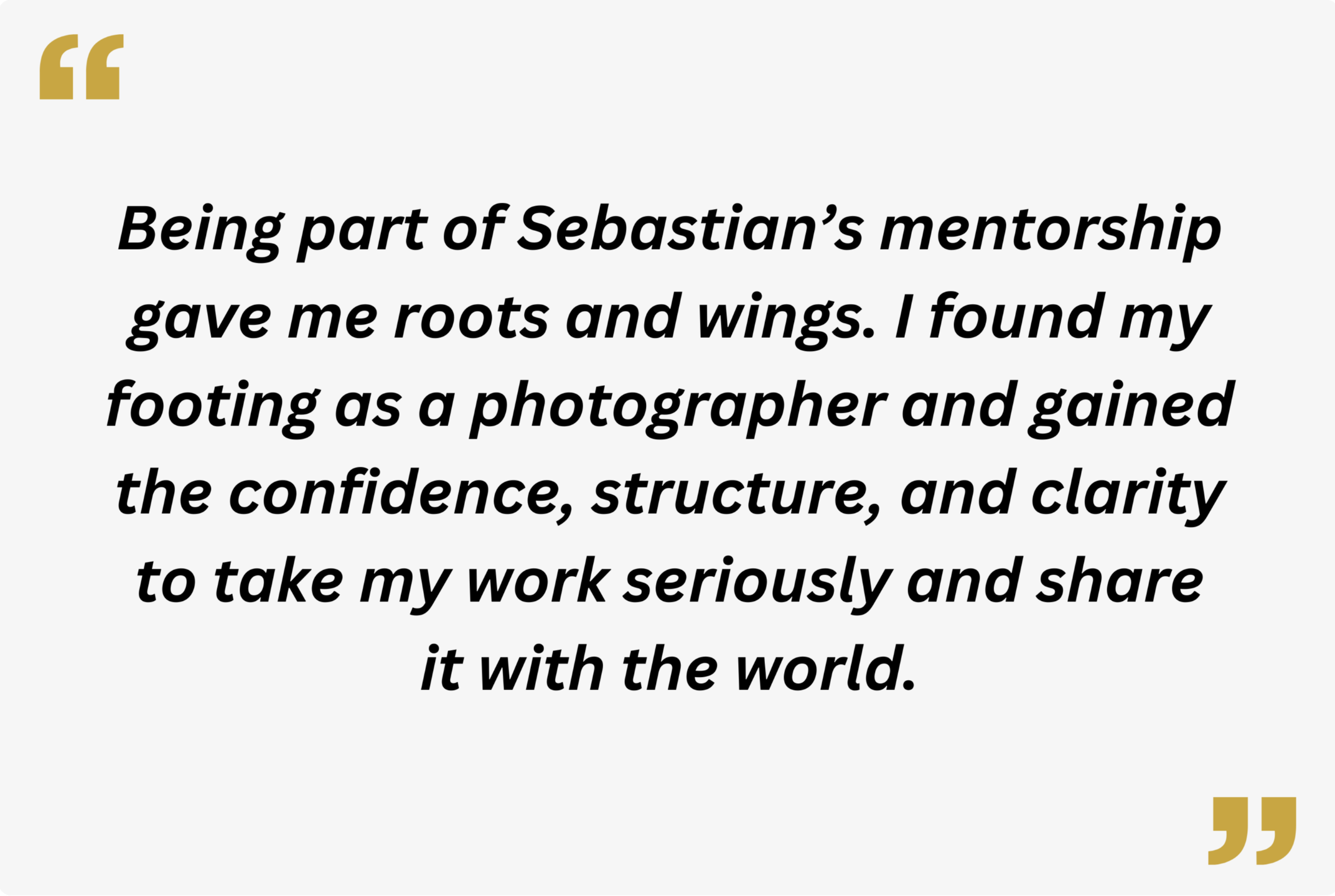
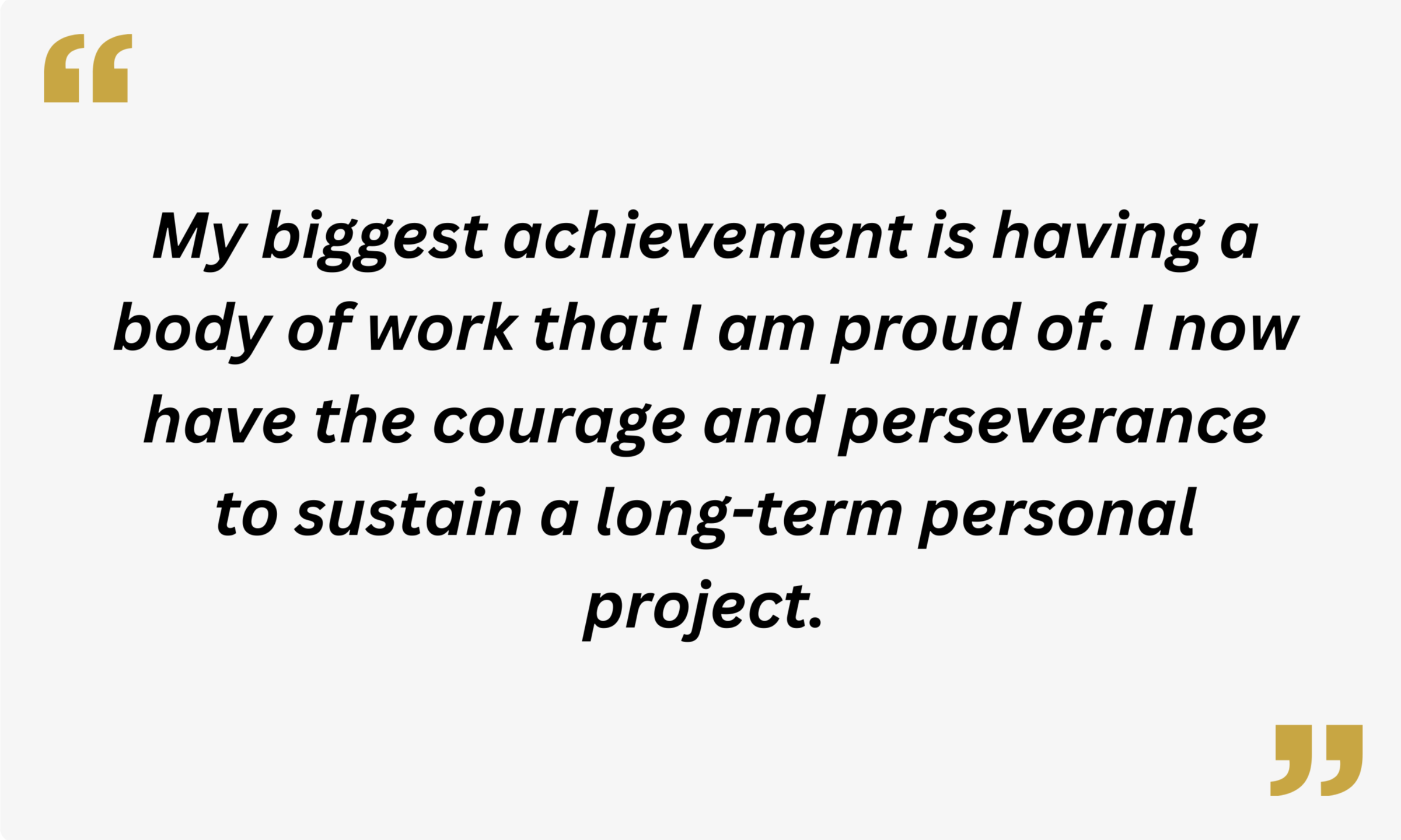
Ratika’s path through the mentorship was not about polishing an existing practice, but about forming an elevated one. Through sustained work, guidance, and accountability, she developed a photographic voice, a coherent body of work, and the ability to carry it forward in professional contexts. What began as uncertainty has become a practice she can stand behind and continue to grow.
Through the mentorship, Ratika did not refine an existing voice. She discovered one. What began as uncertainty evolved into a clear body of work, a defined position, and the confidence to step into the public space as an author.
More than 20,000 photographers have signed up to learn how to build projects with clarity, intention, and impact.
Get the email series that reveals my Project Development Framework to help you craft a compelling project that creates real opportunities for your work.