
Do you want to grow
your photography?

S E B A S T I A N   L I S T E


DOCUMENTARY PROJECTS

S E B A S T I A N   L I S T E

 DOCUMENTARY PROJECTS

Amazon, the last frontier

A long-term visual investigation into the Amazon rainforest as a contested frontier shaped by global markets, extraction, conflict, and power.

SEE MORE →

Amazon, the last frontier

A long-term visual investigation into the Amazon rainforest as a contested frontier shaped by global markets, extraction, conflict, and power.

SEE MORE →

SELECTED PARTNERS

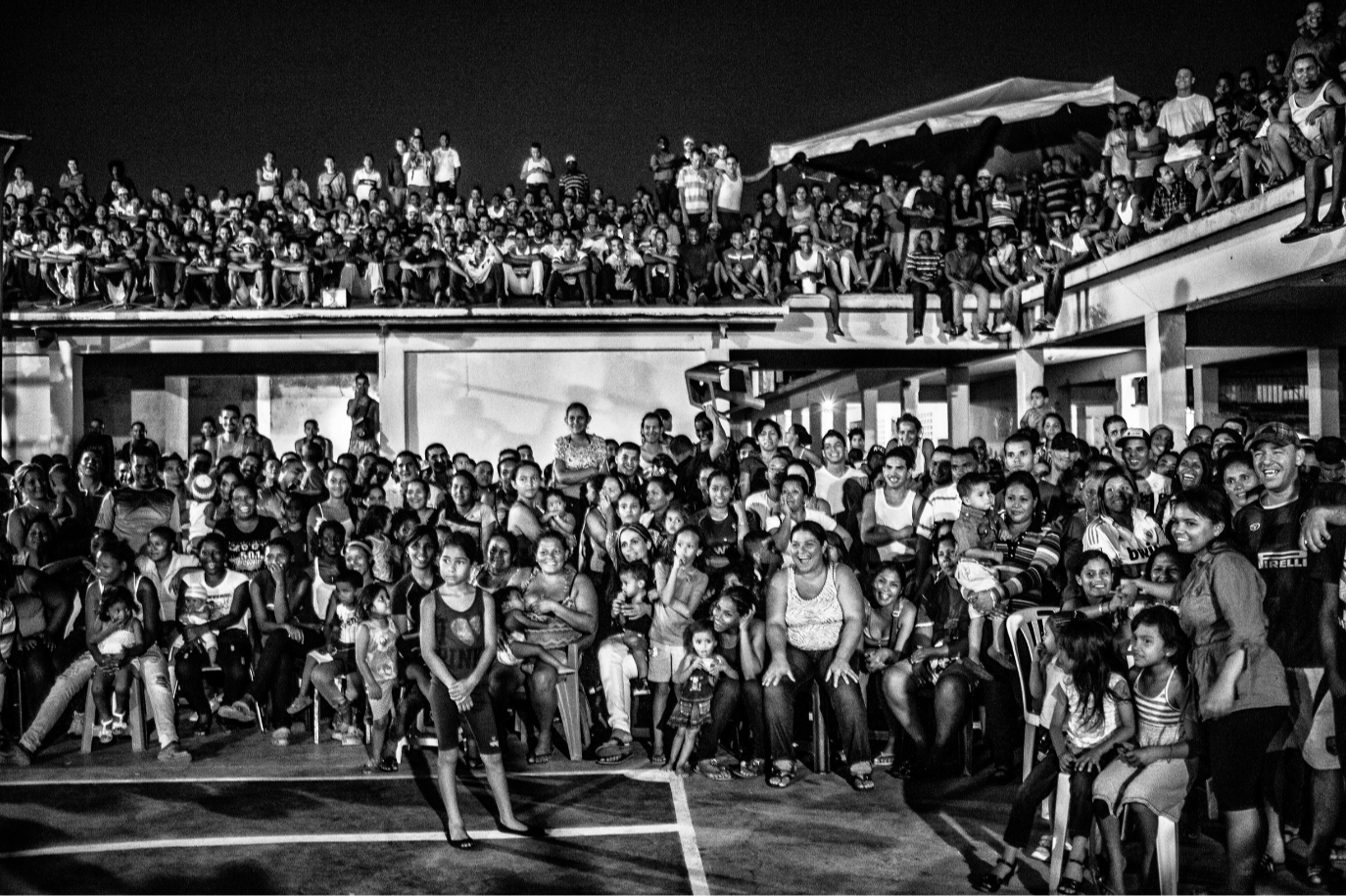
Urban Quilombo

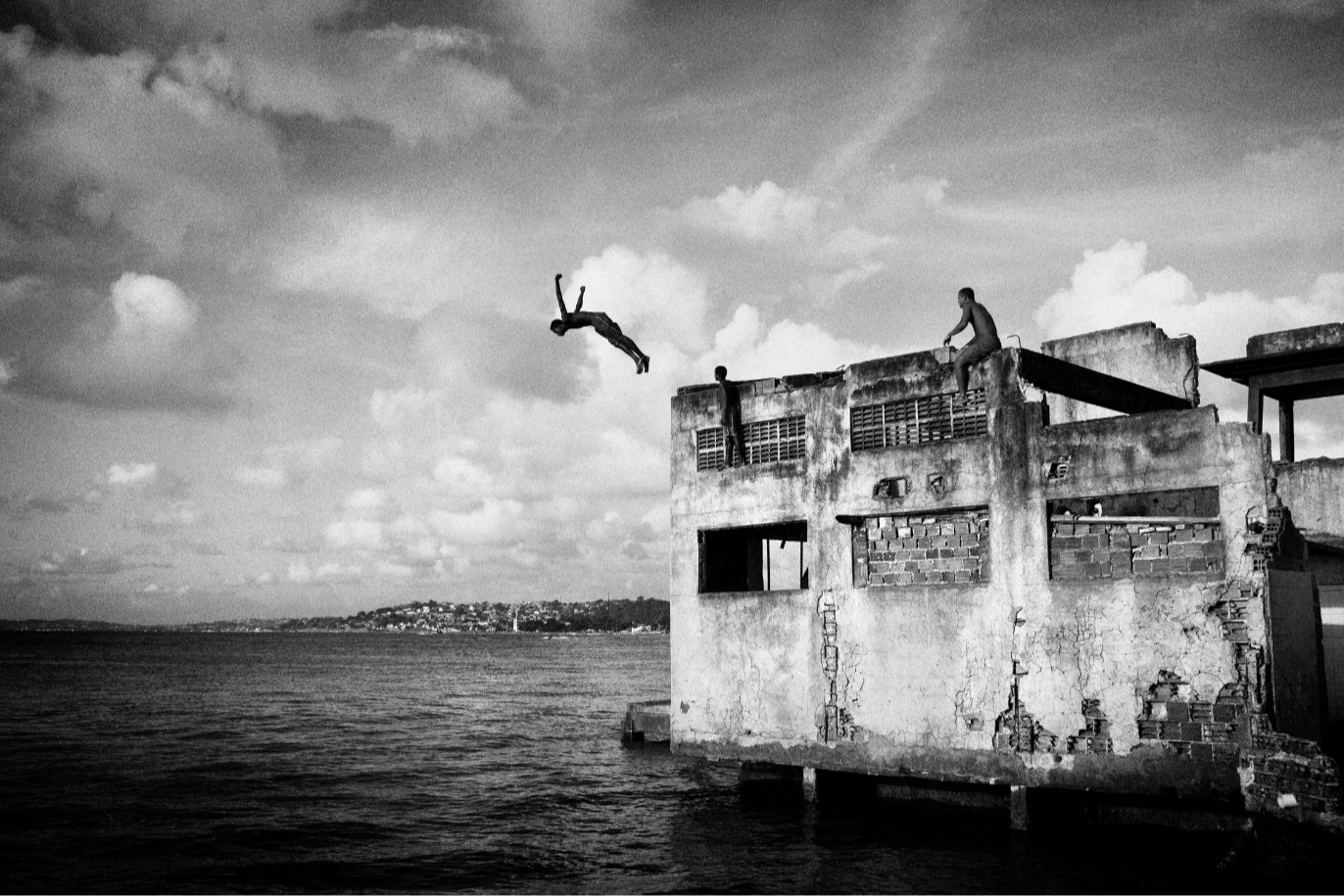
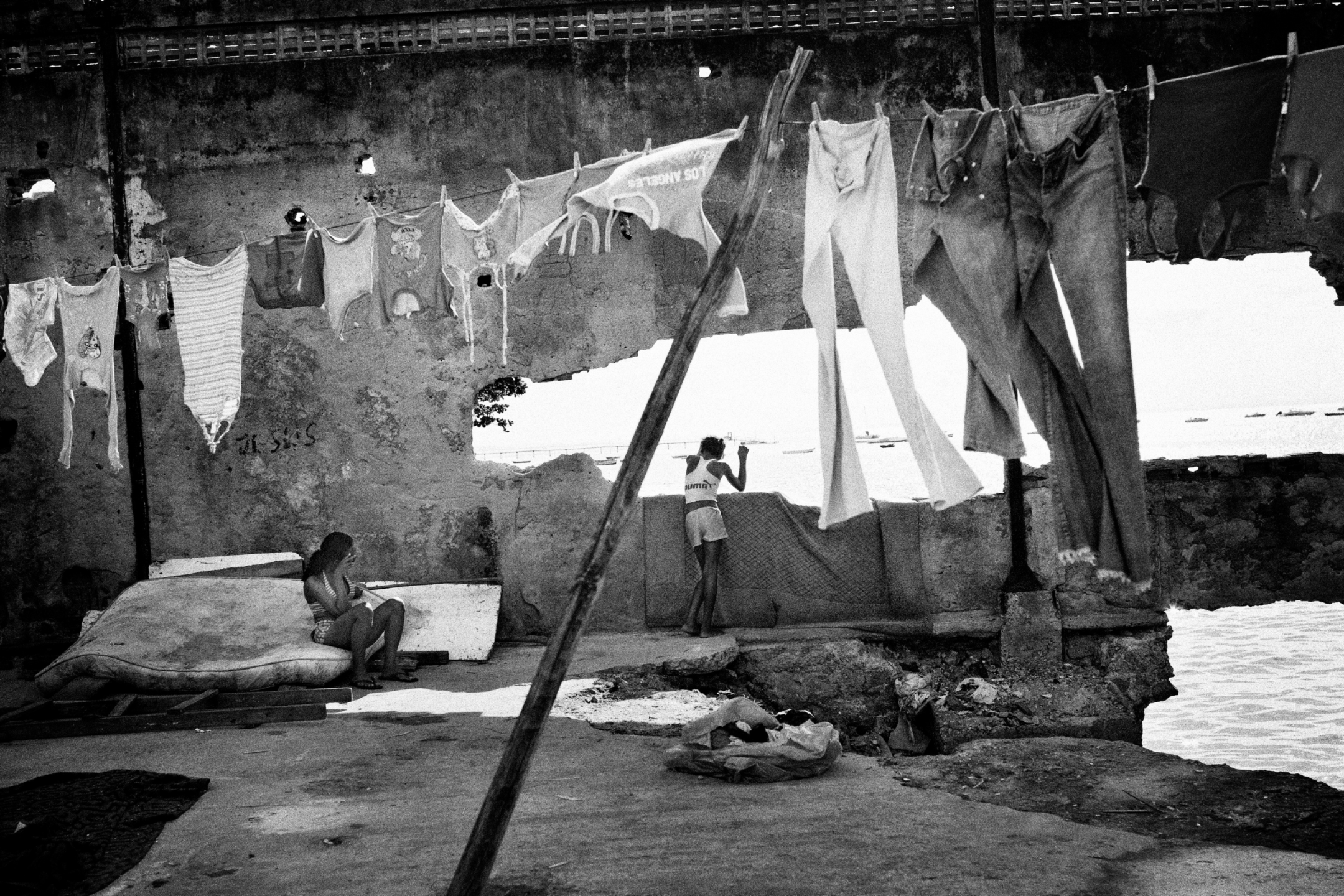
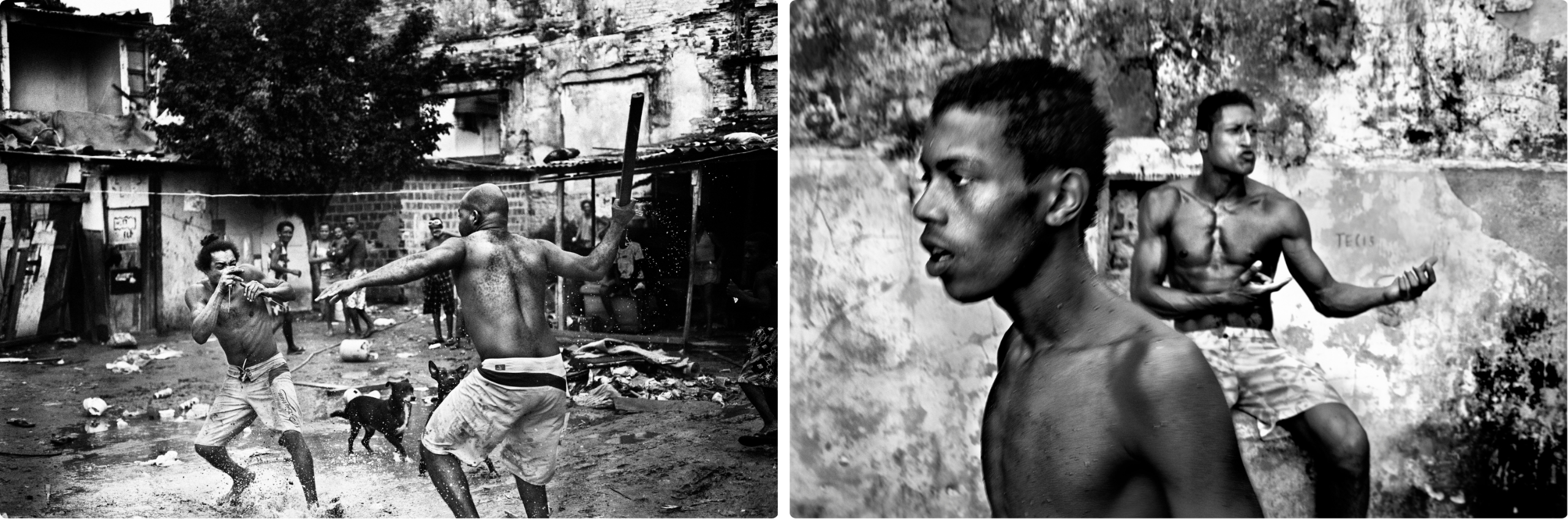
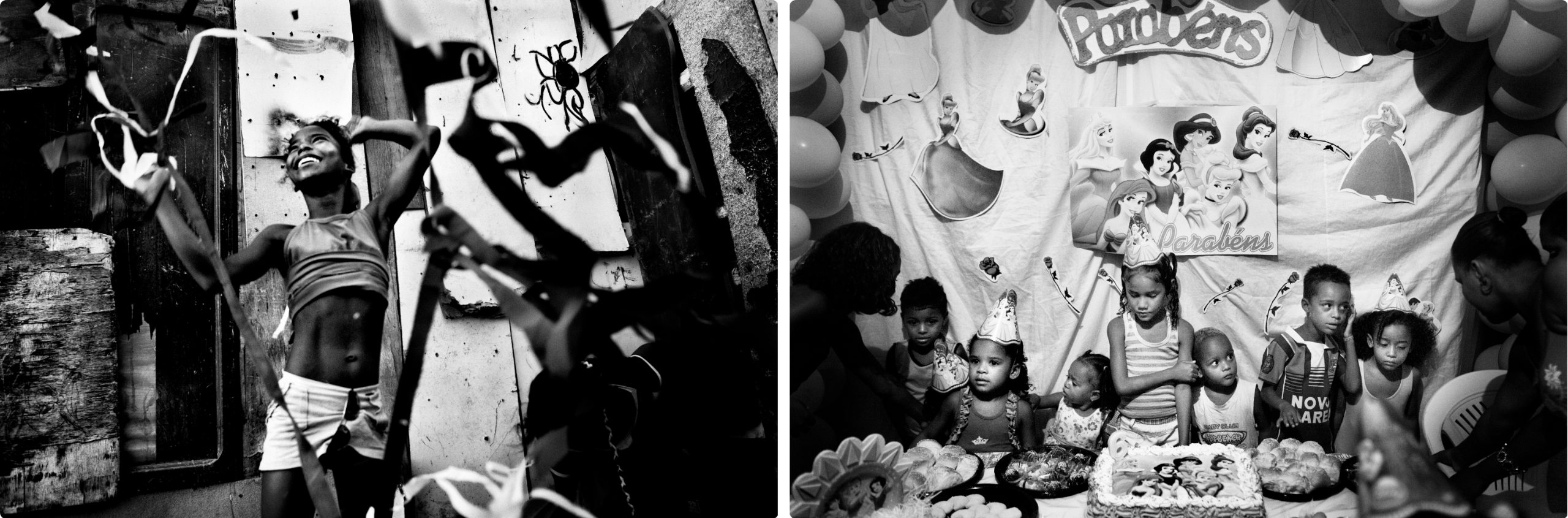
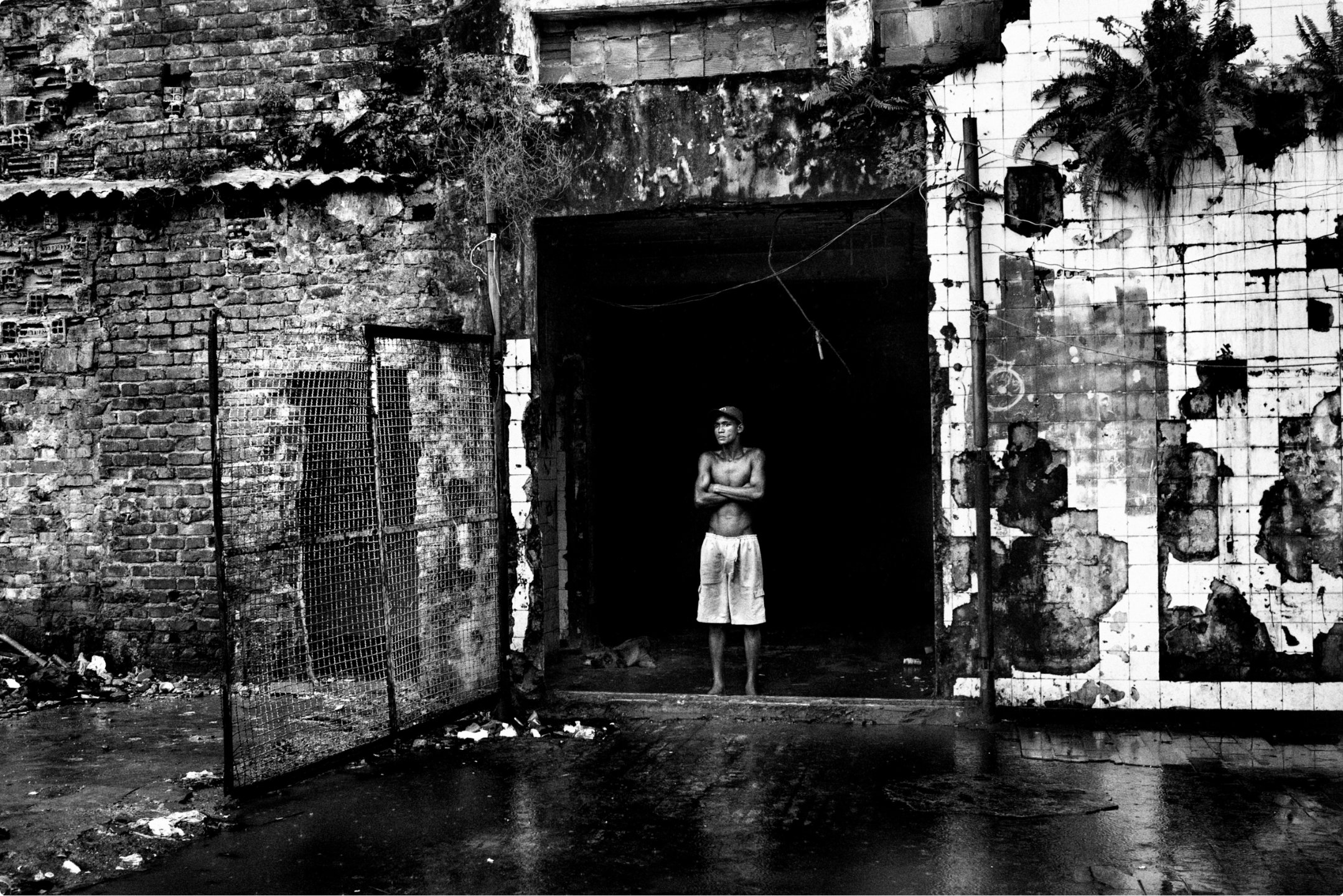
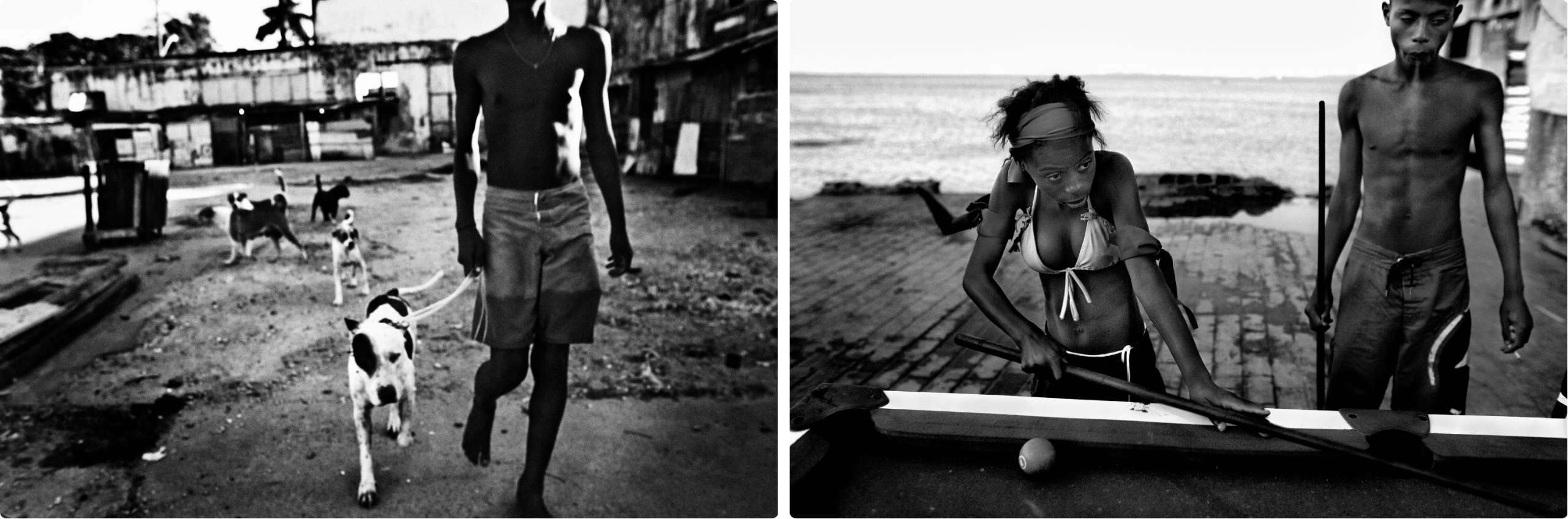
Urban Quilombo follows homeless families in Salvador, Bahia, who transformed an abandoned chocolate factory into a self-governed home. Displaced by gentrification, the community endured, rebuilding on the city’s periphery.
SEE MORE →


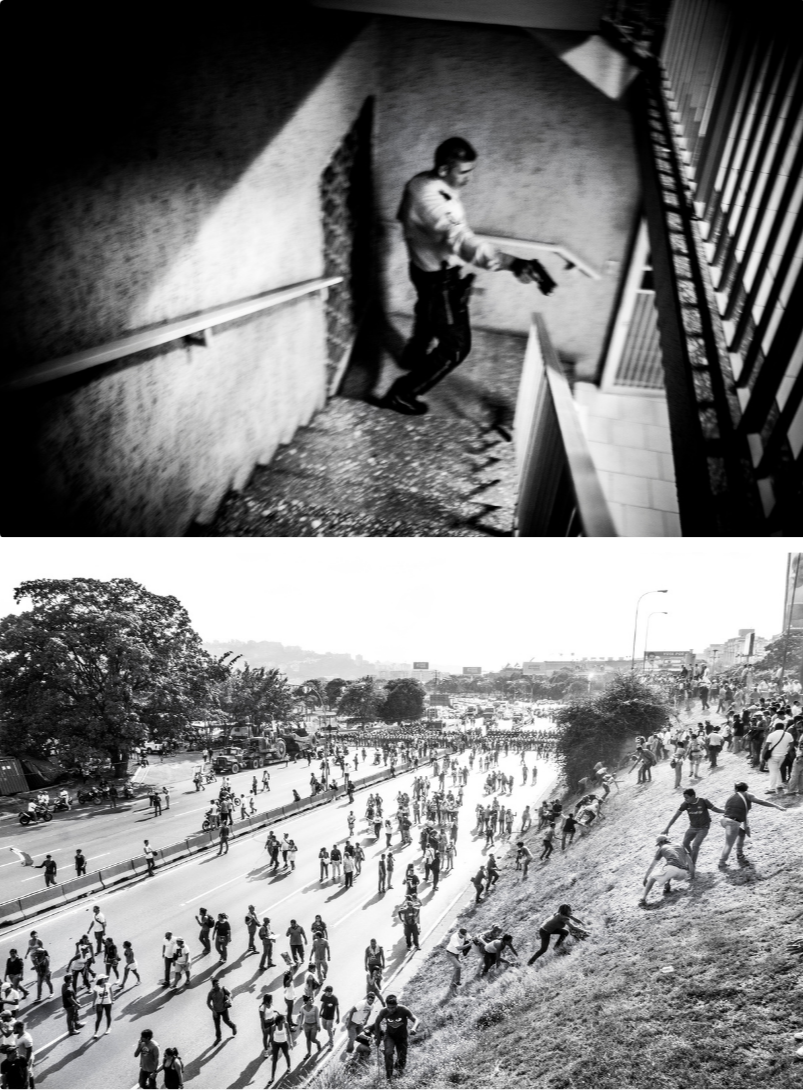
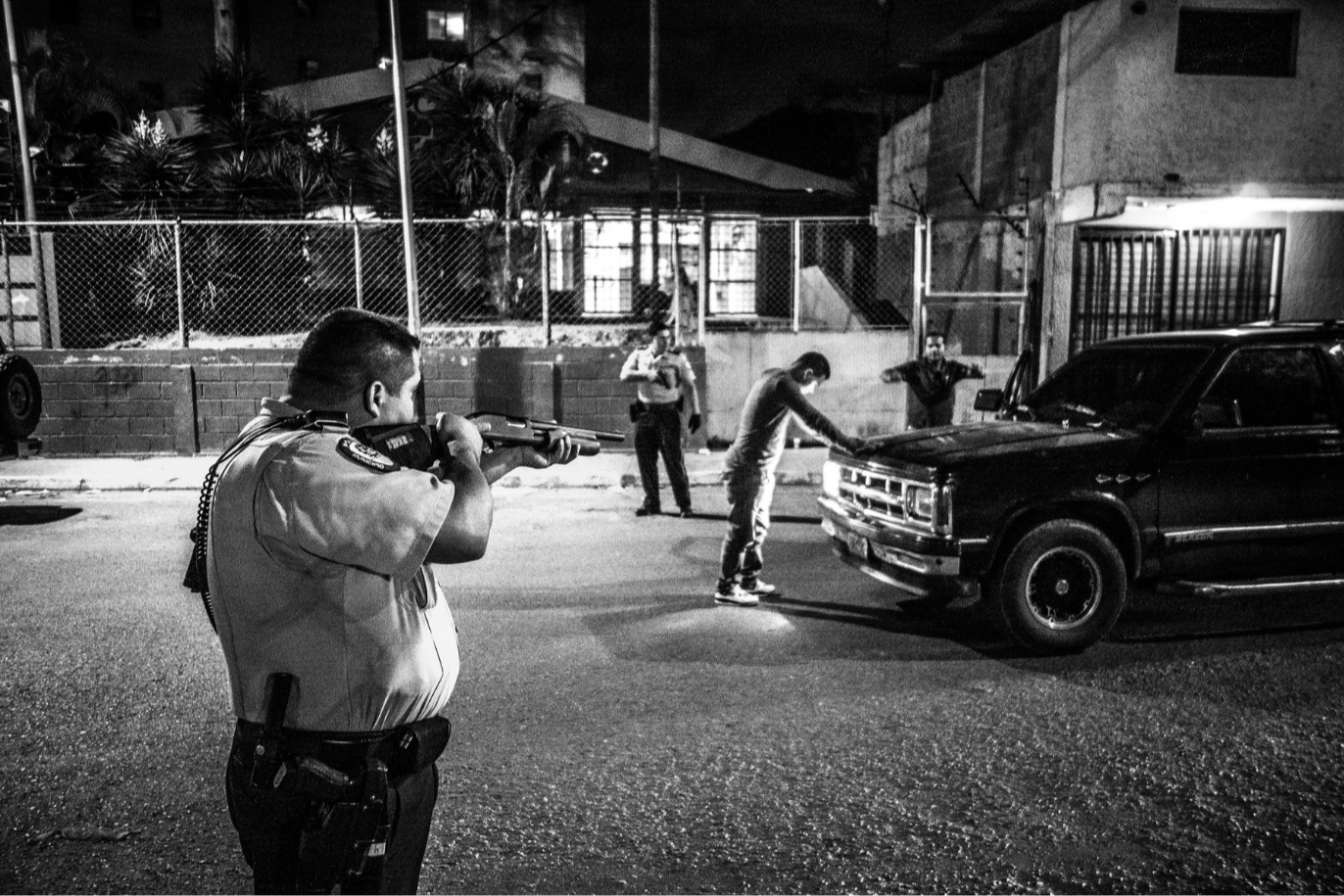
On the Inside: Venezuela’s inmate-ruled prison

Inside Vista Hermosa, a Venezuelan prison ruled by inmates, weapons and unwritten codes shape a closed society where addiction, survival, and violence collide.
SEE MORE →


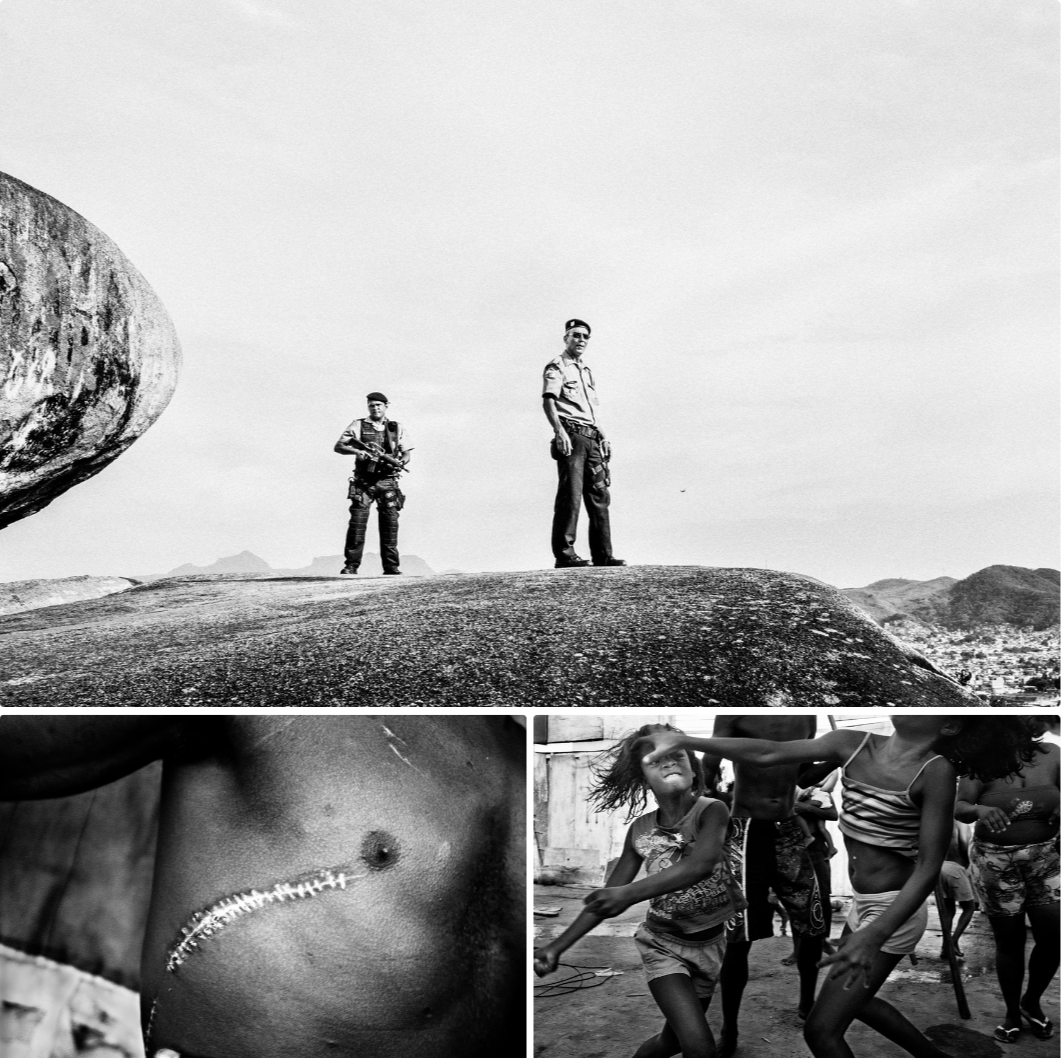
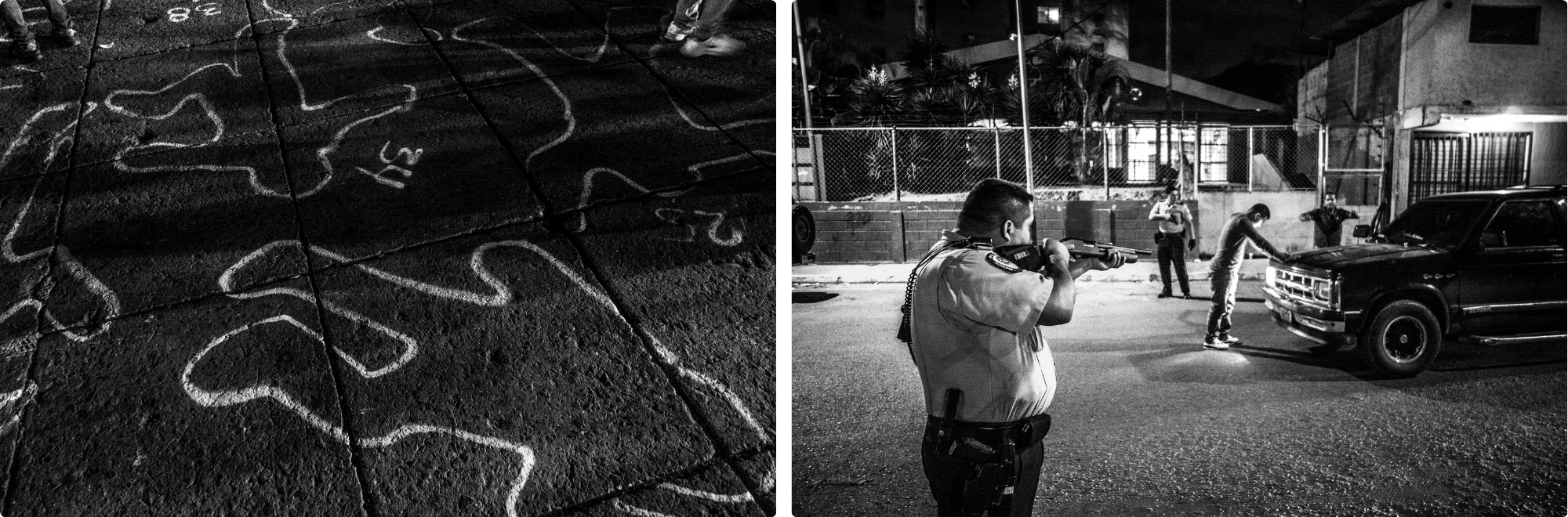
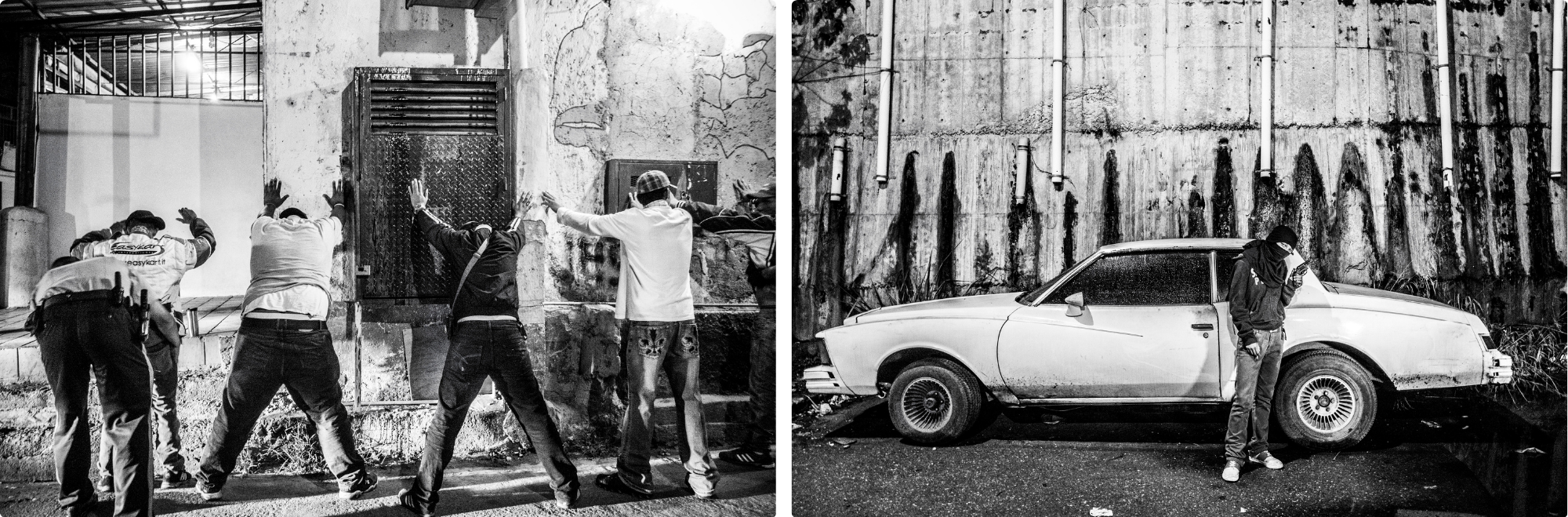
Bullets and dogs: On Latin America’s culture of violence

A photographic exploration of violence as everyday life in Latin America, where crime and policing reshape routines, trust, and survival, revealing the human cost behind constant tension.

SEE MORE →


SELECTED PARTNERS

SELECTED PARTNERS

SELECTED PARTNERS
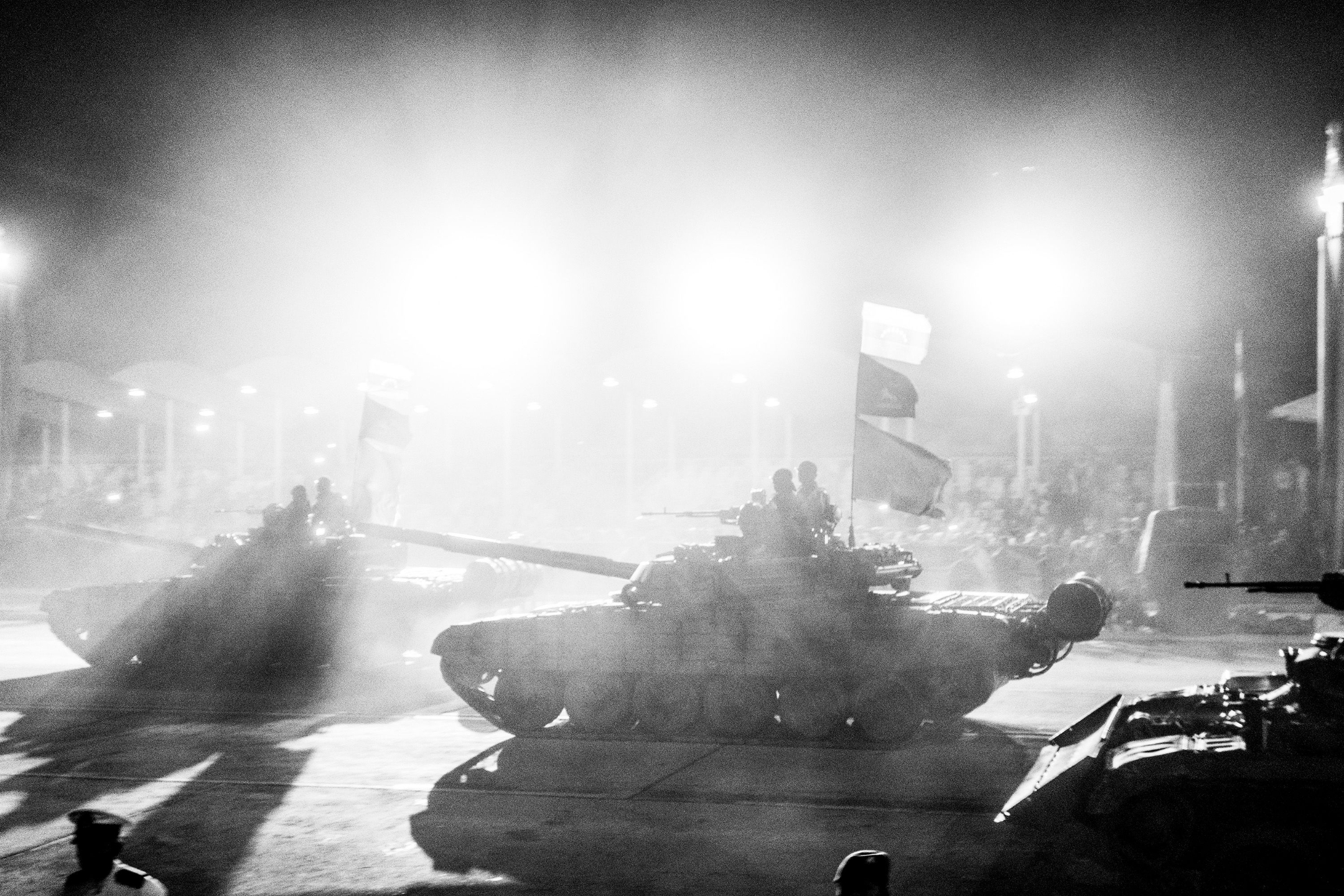
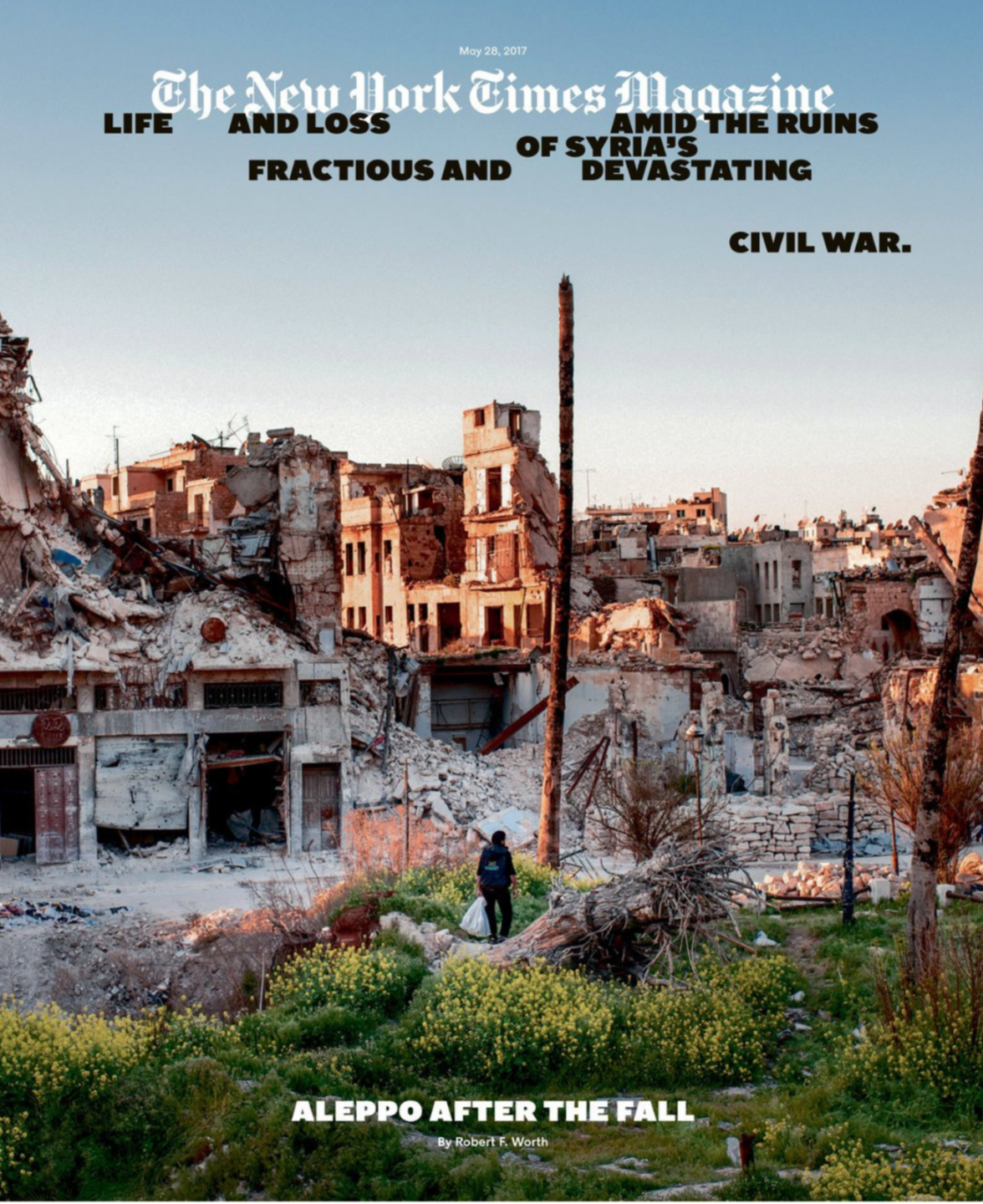
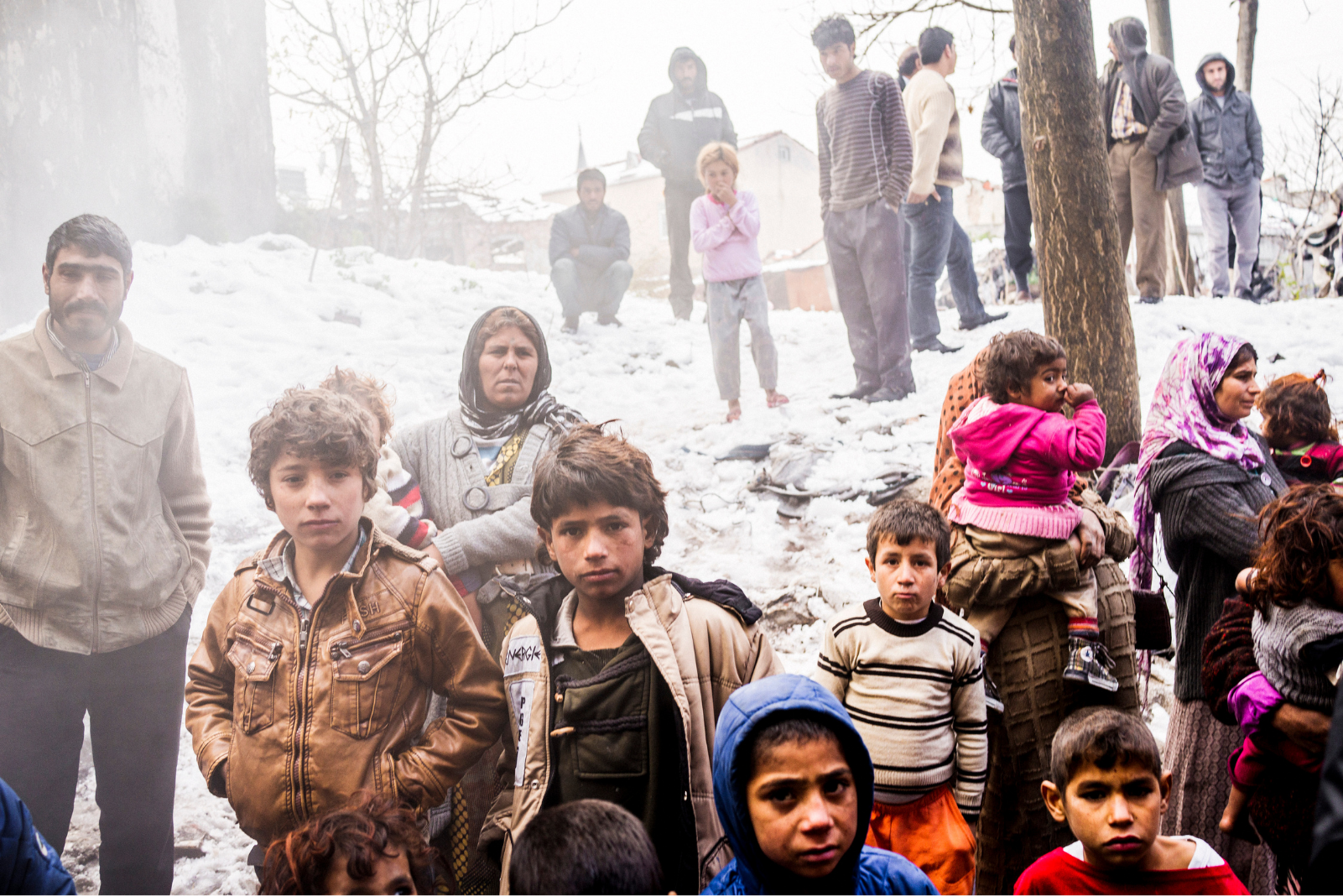
Syria, across war and exile

From Aleppo, Homs, and Damascus to exile in Istanbul, this project follows Syria’s war aftermath and shows how these conflicts persist beyond the front line.
SEE MORE →

SELECTED PARTNERS

Dive deep into my documentary projects...


Discover the stories that challenge perspectives, uncover truth, and celebrate the human experience.
Urban Quilombo

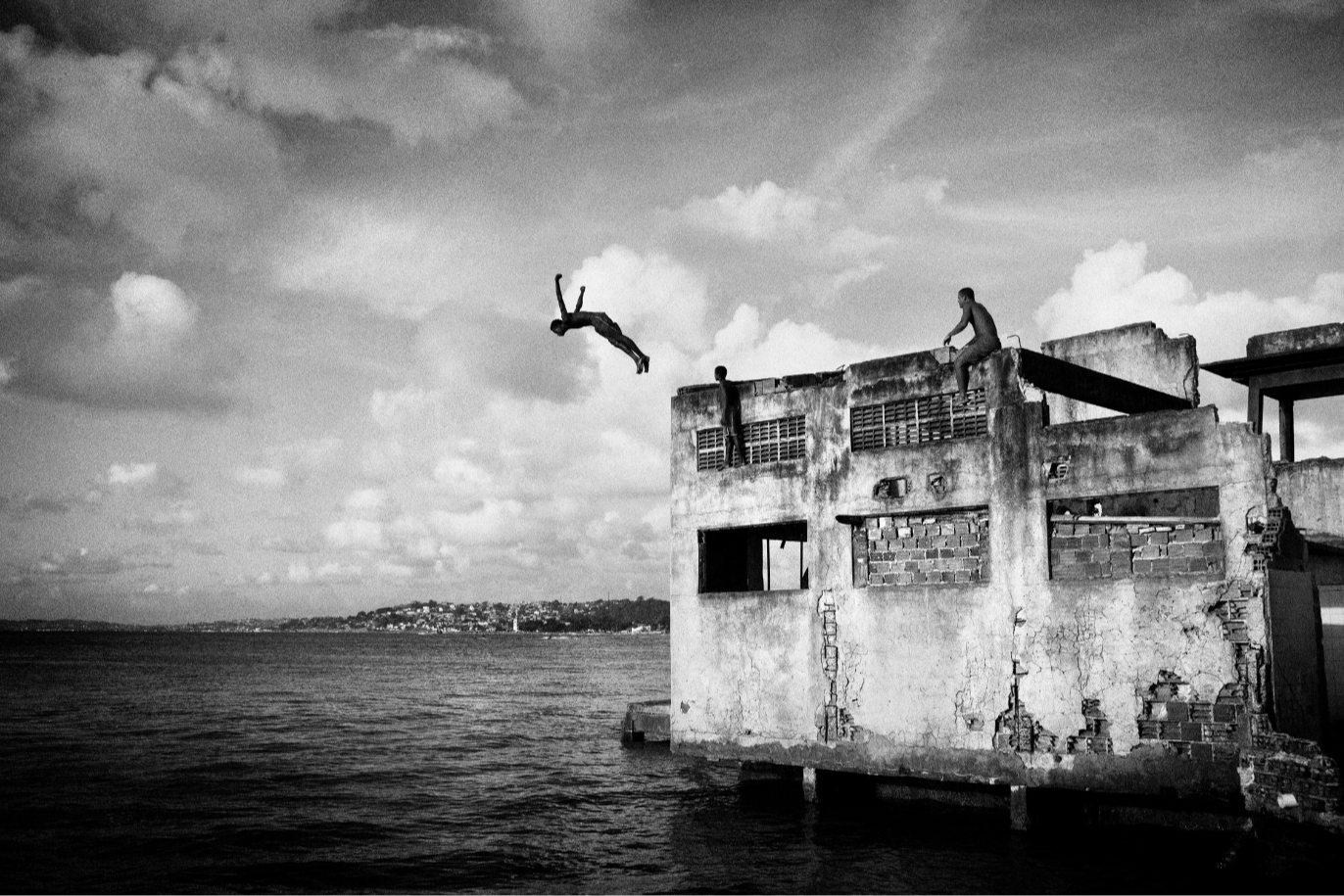
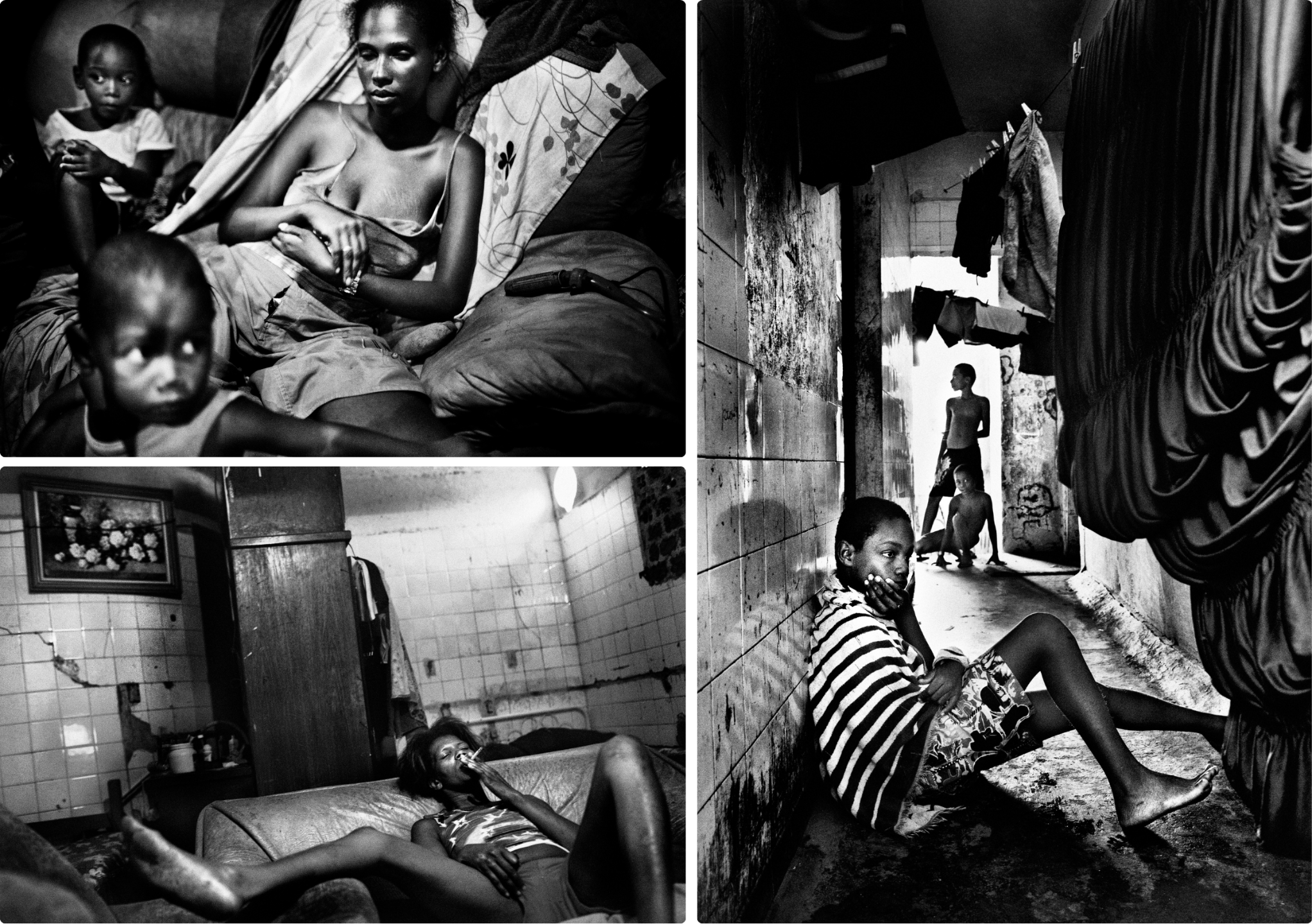
Urban Quilombo documents a community born from marginalization and inequality in Salvador de Bahia, Brazil. In 2003, families occupied the Galpão da Araújo Barreto, an abandoned chocolate factory, and rebuilt it into a living, self-governed home. The title invokes quilombos, historic spaces of Afro-Brazilian resistance, to frame this urban microcosm where care networks confronted violence, drugs, and precarious work. Brazil’s growth has long coexisted with extreme inequality, and as gentrification intensified and the city prepared to project a modern image ahead of major international sporting events, the factory was demolished and residents displaced. The place vanished, but the community endured, relocated together to the city’s periphery.

Urban Quilombo

Urban Quilombo documents a community born from marginalization and inequality in Salvador de Bahia, Brazil. In 2003, families occupied the Galpão da Araújo Barreto, an abandoned chocolate factory, and rebuilt it into a living, self-governed home. The title invokes quilombos, historic spaces of Afro-Brazilian resistance, to frame this urban microcosm where care networks confronted violence, drugs, and precarious work. Brazil’s growth has long coexisted with extreme inequality, and as gentrification intensified and the city prepared to project a modern image ahead of major international sporting events, the factory was demolished and residents displaced. The place vanished, but the community endured, relocated together to the city’s periphery.

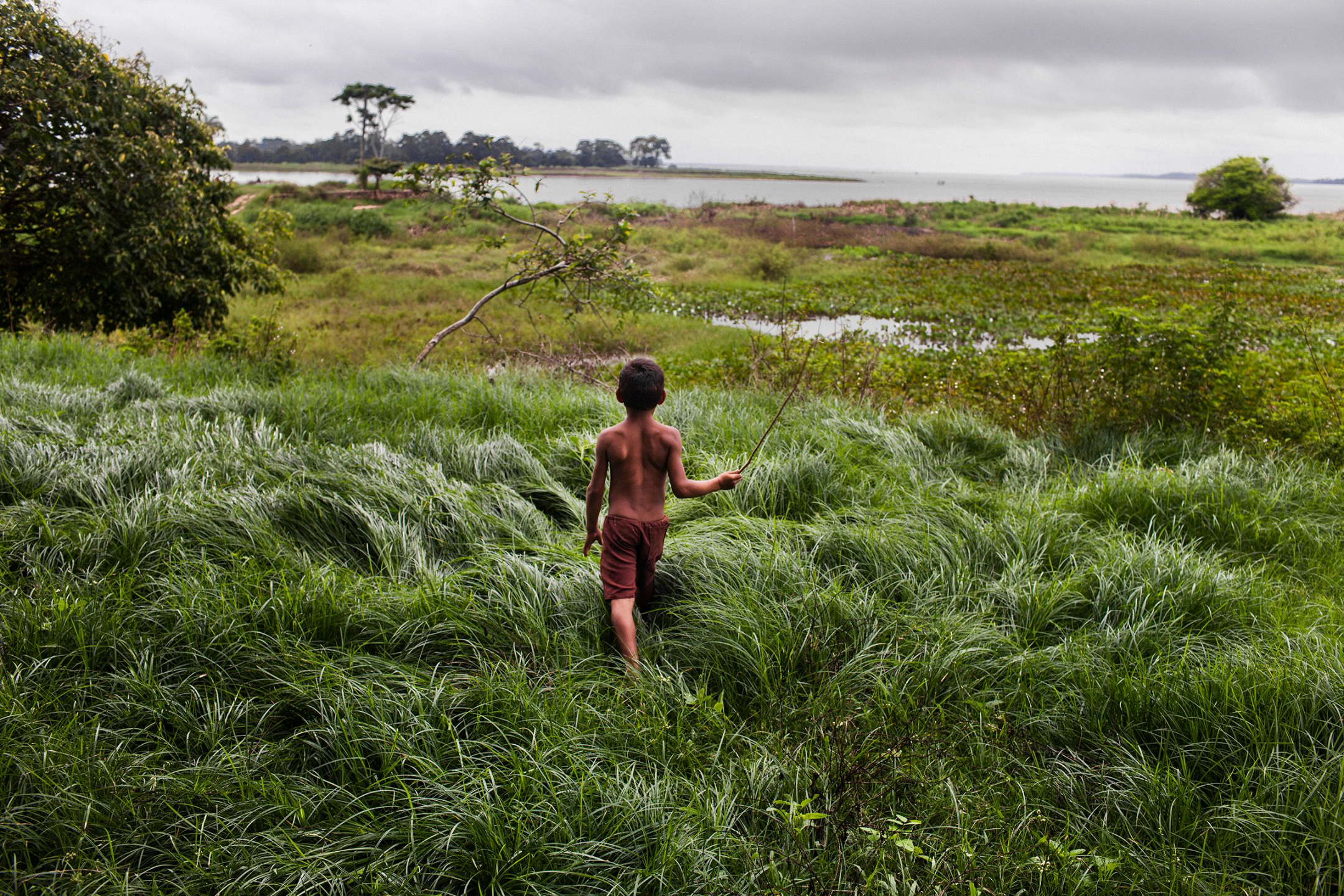
Amazon, the last frontier

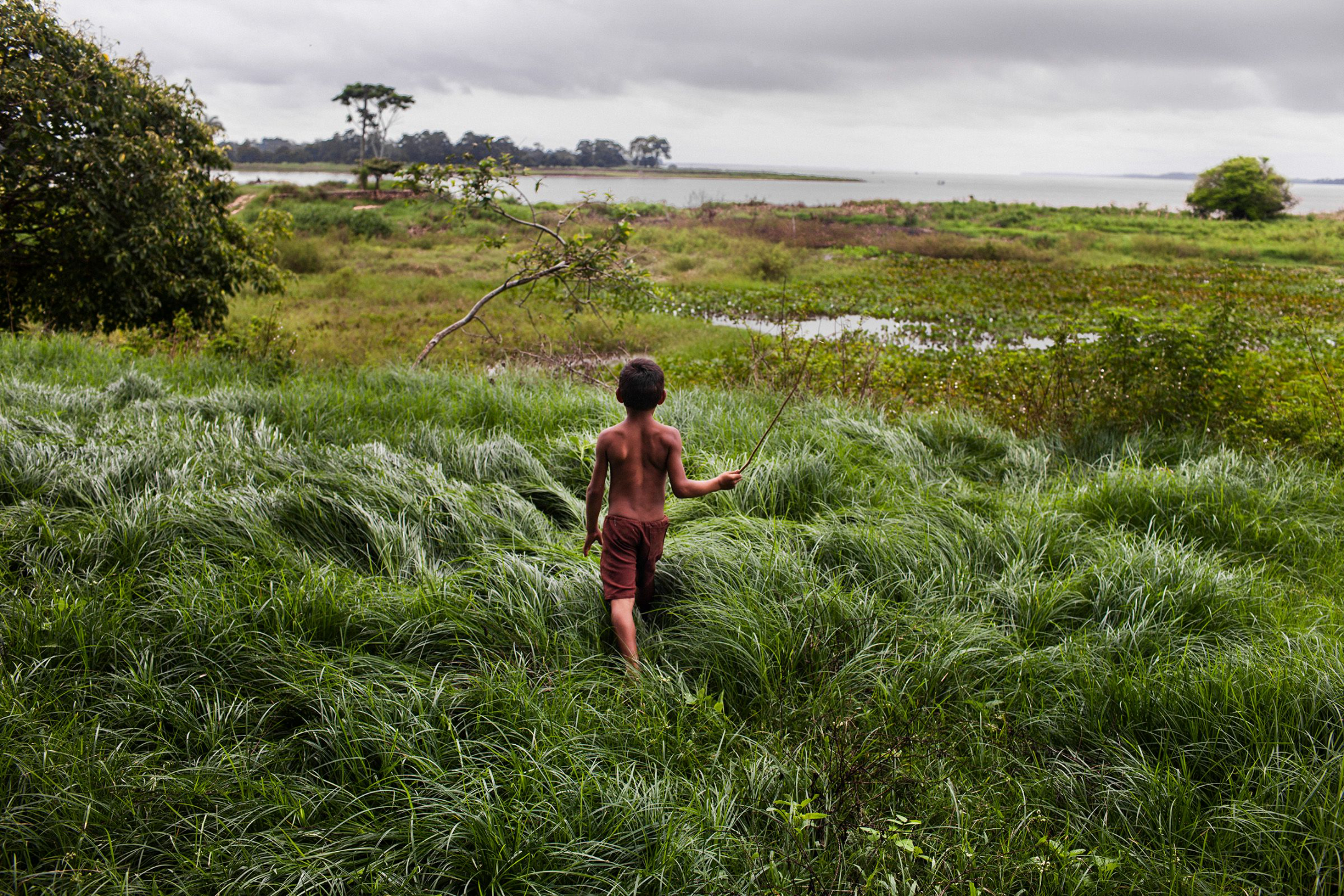
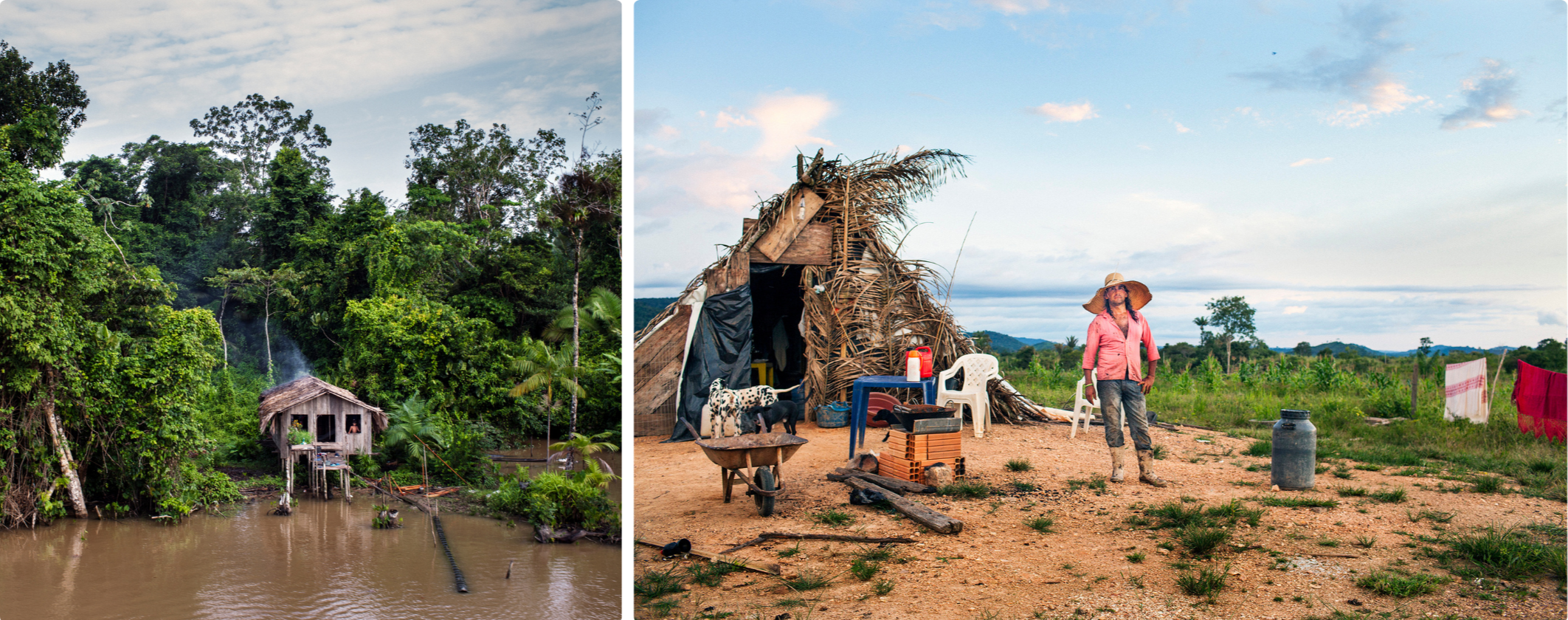
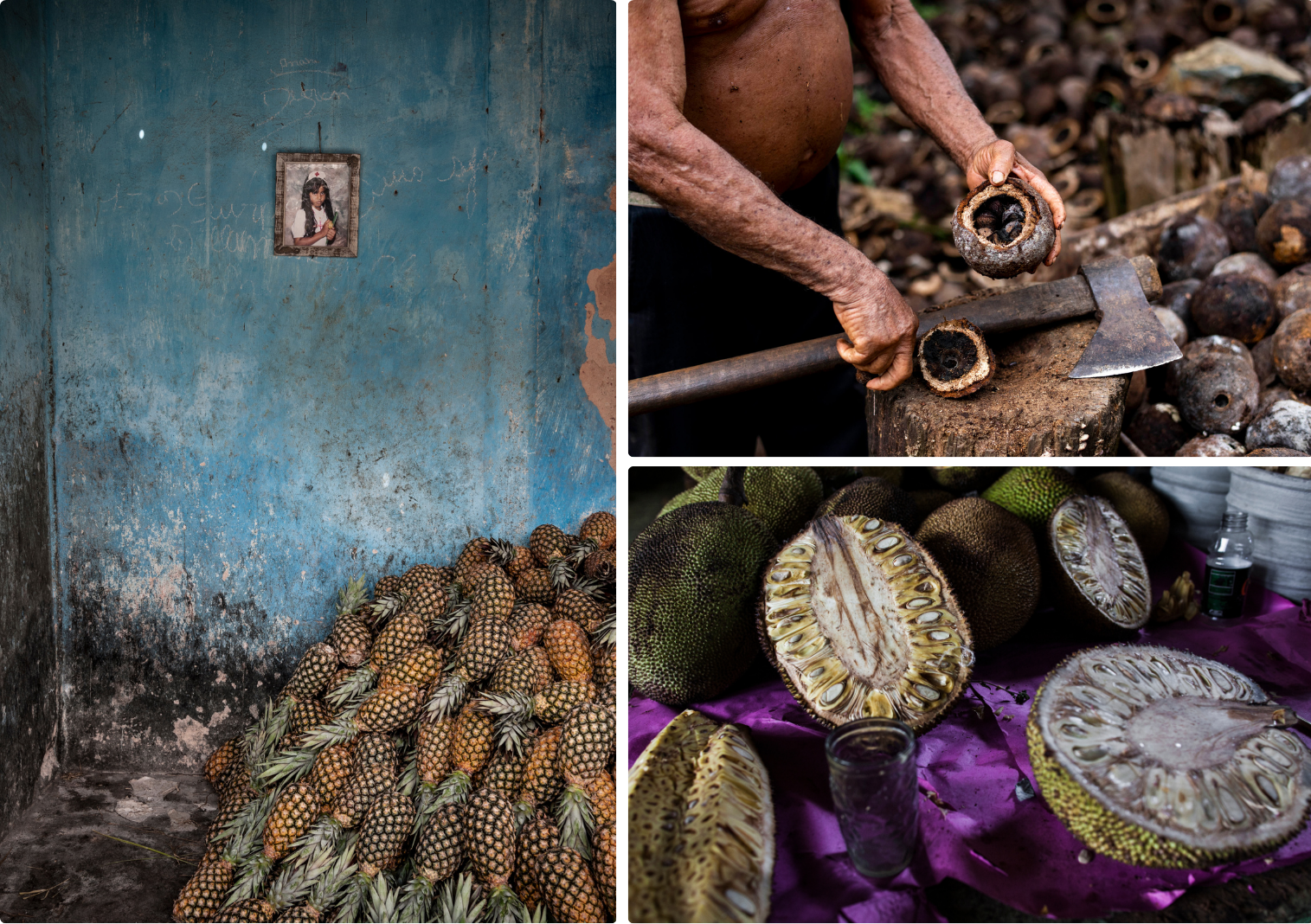
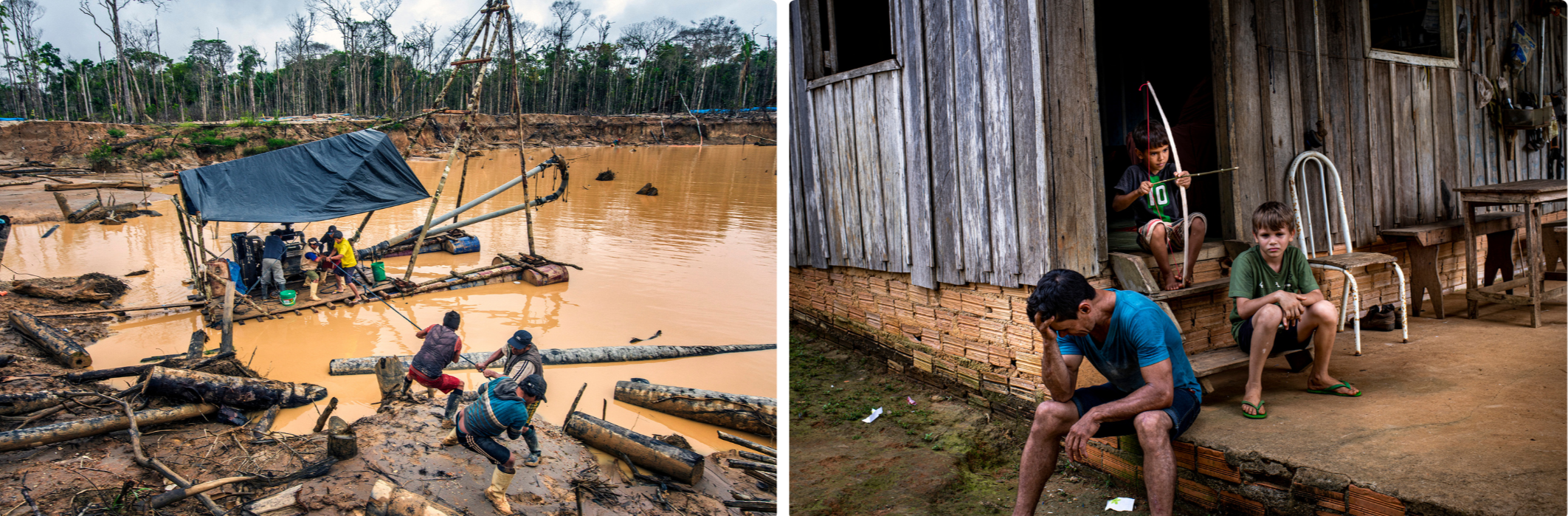
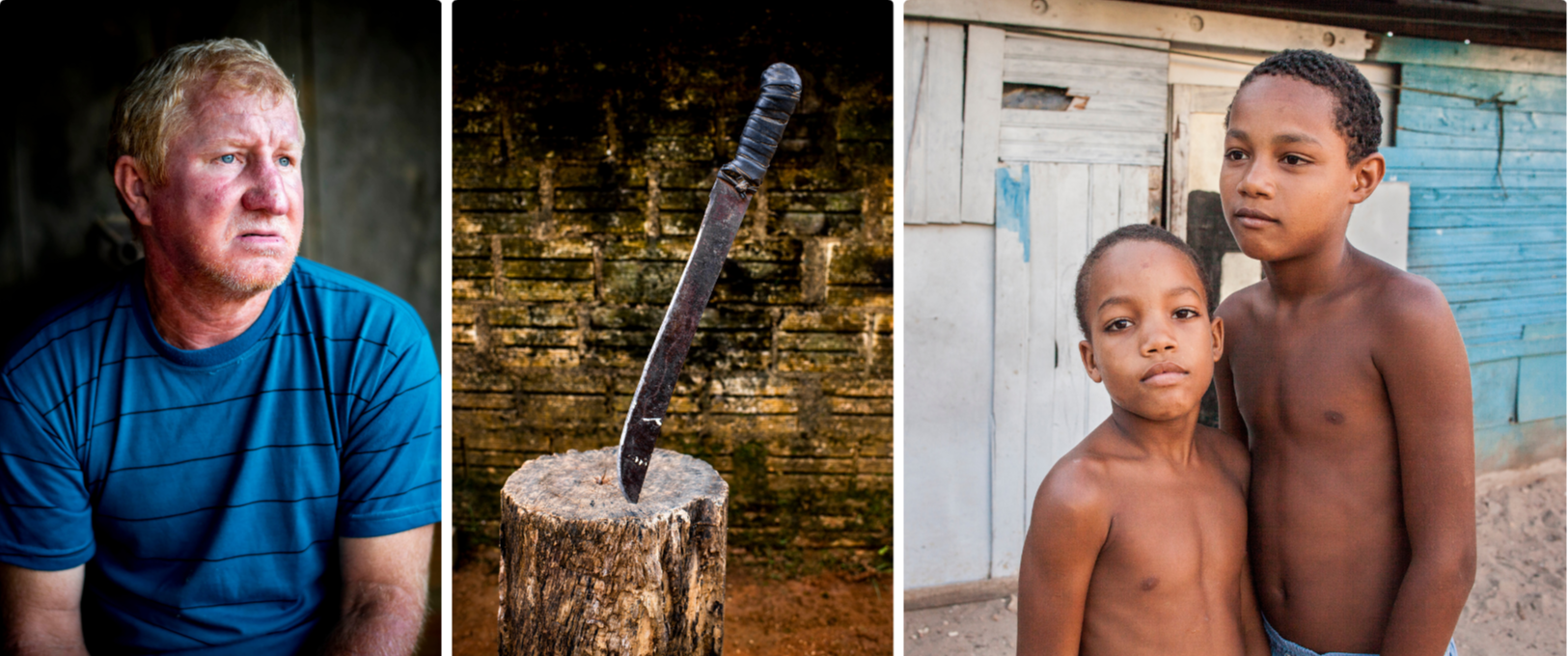
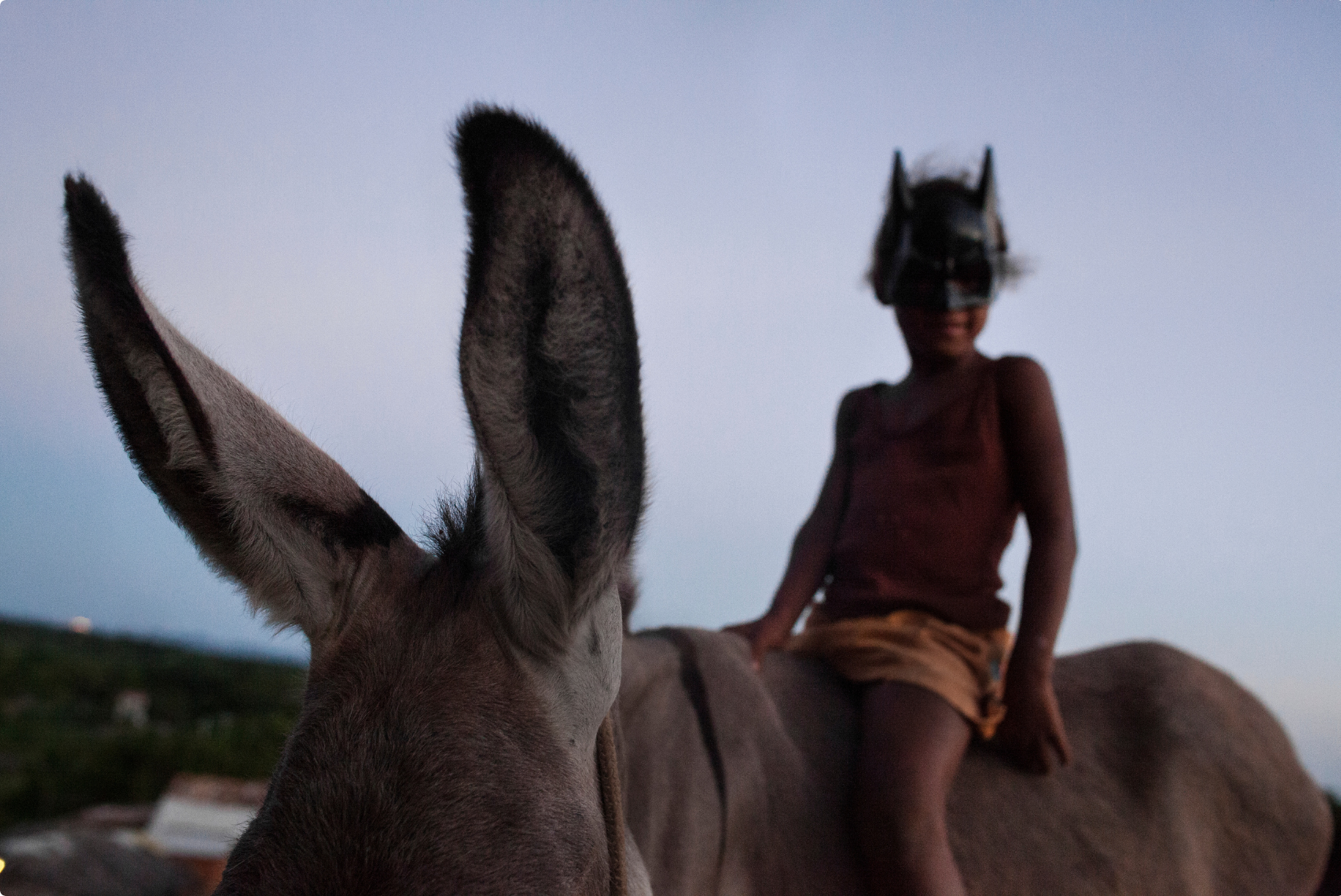
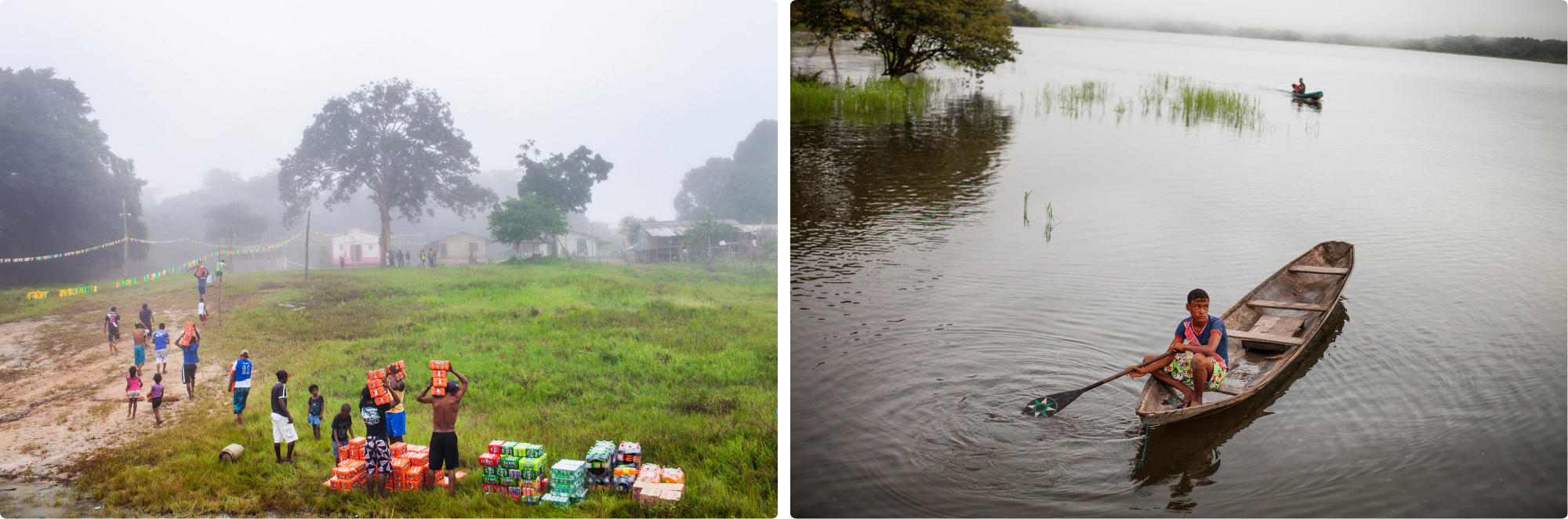
Amazon, the last frontier is a long-term visual investigation into a territory where the future is being negotiated in real time. Moving through the basin by road and river, this project traces how global appetites for resources reshape land into a commodity, and the forest into a contested border of power.

This project brings together evidence and intimacy: landscapes marked by transformation, the architectures of extraction, and the people living inside these accelerating changes. It does not chronicle a single event, but the lived reality of a region under pressure, where sovereignty, survival, and violence collide.

Amazon, the last frontier

Amazon, the last frontier is a long-term visual investigation into a territory where the future is being negotiated in real time. Moving through the basin by road and river, this project traces how global appetites for resources reshape land into a commodity, and the forest into a contested border of power.

This project brings together evidence and intimacy: landscapes marked by transformation, the architectures of extraction, and the people living inside these accelerating changes. It does not chronicle a single event, but the lived reality of a region under pressure, where sovereignty, survival, and violence collide.

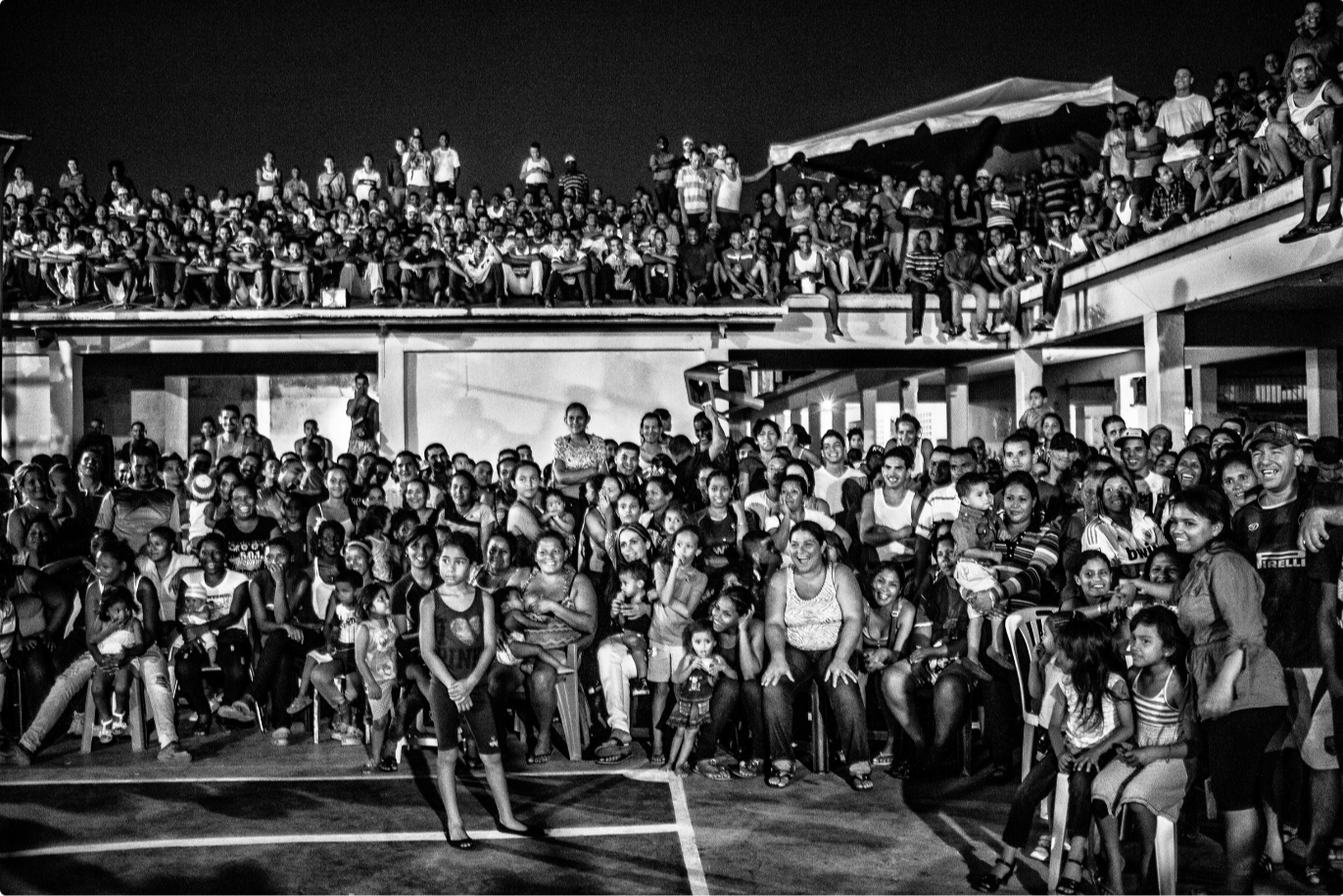
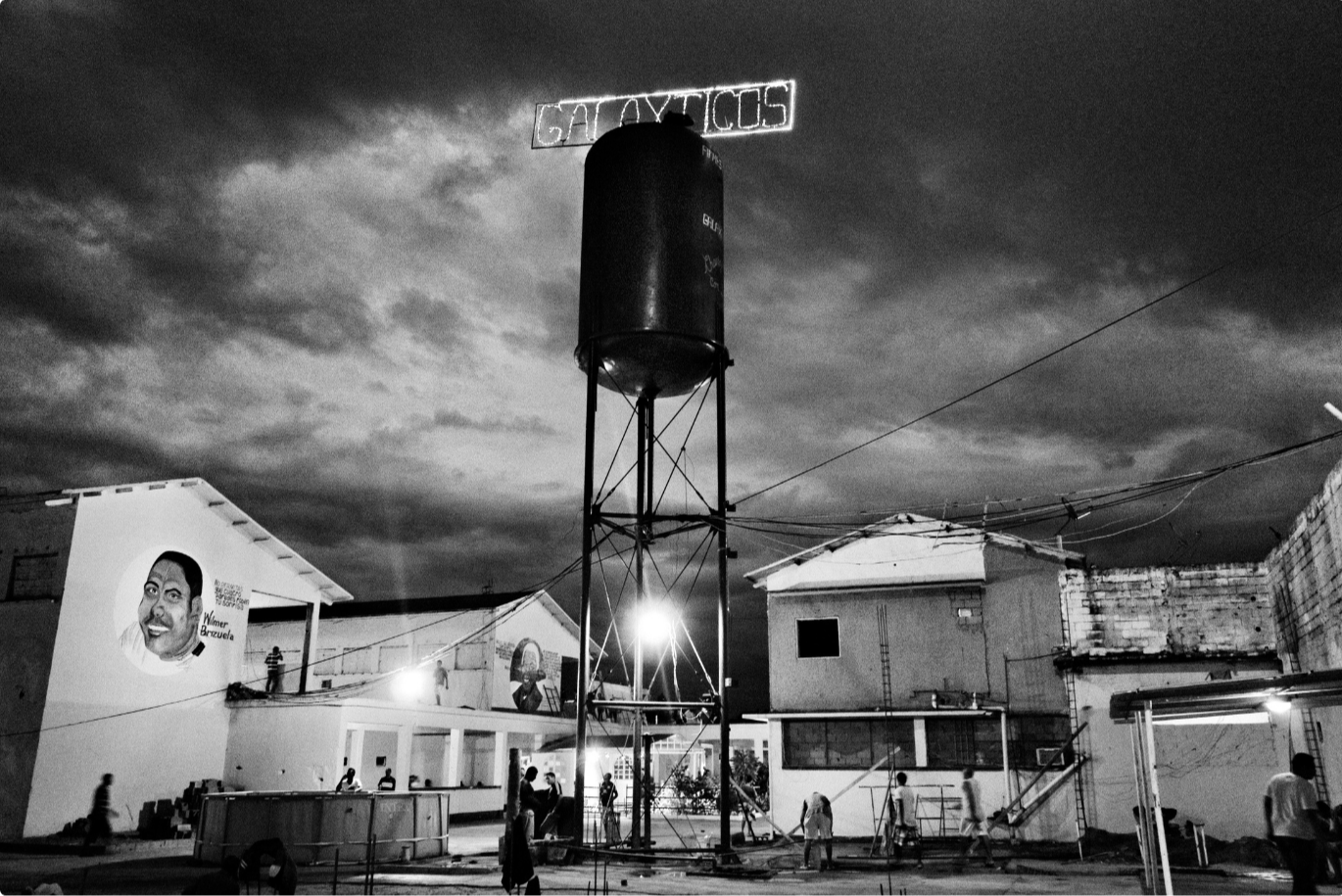
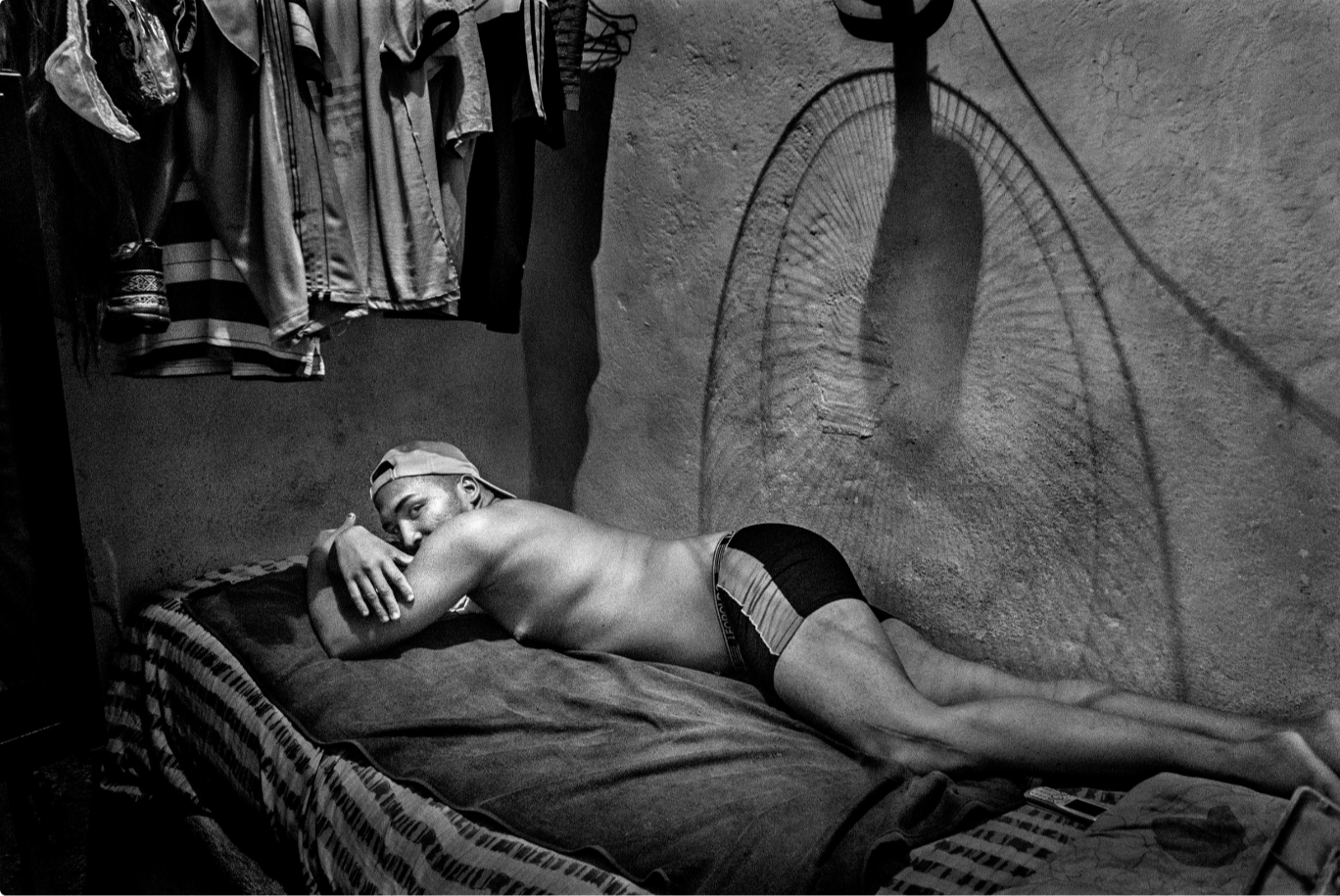
On the Inside: Venezuela’s inmate-ruled prison

The prison of Vista Hermosa in Venezuela, was built in the 1950s for roughly 650 inmates, yet it has long held far more, mirroring a prison system defined by overcrowding and violence. Inside its walls, authority is inverted. Under the pran system, inmate leaders govern daily life, control economies, and enforce order through weapons and unwritten codes, while the Venezuelan National Guard patrols outside.
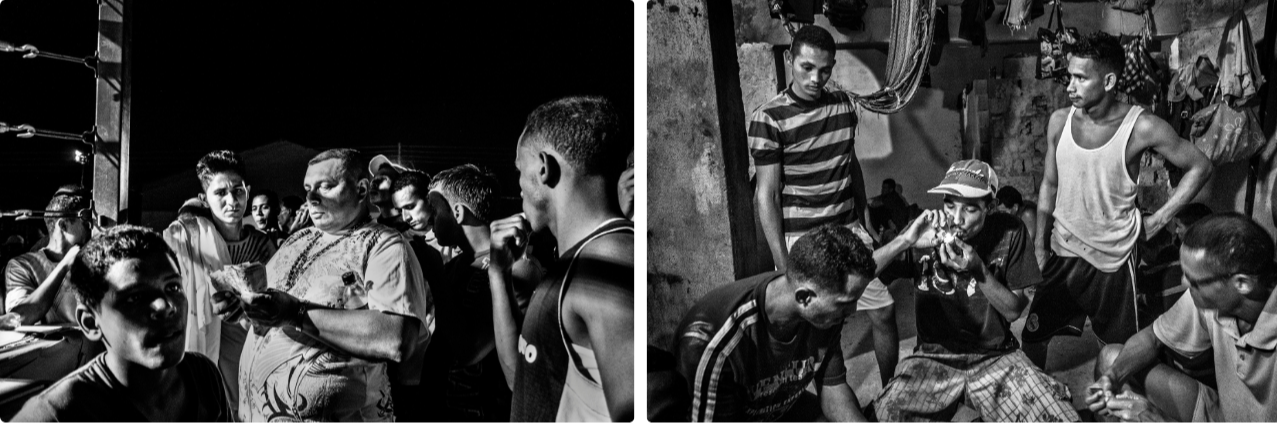
This work looks inside that closed society to reveal a world that functions like a city: markets, music, faith, family visits, and celebration alongside addiction, punishment, and death.

On the Inside: Venezuela’s inmate-ruled prison

The prison of Vista Hermosa in Venezuela, was built in the 1950s for roughly 650 inmates, yet it has long held far more, mirroring a prison system defined by overcrowding and violence. Inside its walls, authority is inverted. Under the pran system, inmate leaders govern daily life, control economies, and enforce order through weapons and unwritten codes, while the Venezuelan National Guard patrols outside.


This work looks inside that closed society to reveal a world that functions like a city: markets, music, faith, family visits, and celebration alongside addiction, punishment, and death.

Bullets and dogs: On Latin America’s culture of violence

Across Latin America, violence is rooted into history and into the present, shaping how communities move, speak, love, and survive.

This project looks at what happens when violence becomes ordinary: when extortion, disappearances, and street crime share space with family life, work, and celebration; when public institutions respond with force, and fear reshapes the social contract. Rather than chasing spectacle, the work stays close to the human scale of harm, tracing how violence settles into routines, homes, and marks everyday life, and how people adapt in order to endure. It is a portrait of societies living with constant tension, where justice feels distant, trust is fragile, and survival becomes a daily negotiation.

Bullets and dogs: On Latin America’s culture of violence

Across Latin America, violence is rooted into history and into the present, shaping how communities move, speak, love, and survive.

This project looks at what happens when violence becomes ordinary: when extortion, disappearances, and street crime share space with family life, work, and celebration; when public institutions respond with force, and fear reshapes the social contract. Rather than chasing spectacle, the work stays close to the human scale of harm, tracing how violence settles into routines, homes, and marks everyday life, and how people adapt in order to endure. It is a portrait of societies living with constant tension, where justice feels distant, trust is fragile, and survival becomes a daily negotiation.

Syria, across war and exile

Photographed inside Syria and across the routes of displacement, this project follows the war’s aftermath from the inside out, moving between cities shaped by violence and the provisional lives rebuilt in exile. In Aleppo and other battered neighborhoods, civilians navigate rubble, grief, and the hard labor of restoring their homes and their country. In Istanbul, a major hub on the route toward Europe, Syrian families occupy abandoned buildings in the Suleymaniye neighborhood, living in limbo between return and asylum. Together, these chapters connect ruins and refuge, revealing how conflict persists long after the front line shifts.

Syria, across war and exile

Photographed inside Syria and across the routes of displacement, this project follows the war’s aftermath from the inside out, moving between cities shaped by violence and the provisional lives rebuilt in exile. In Aleppo and other battered neighborhoods, civilians navigate rubble, grief, and the hard labor of restoring their homes and their country. In Istanbul, a major hub on the route toward Europe, Syrian families occupy abandoned buildings in the Suleymaniye neighborhood, living in limbo between return and asylum. Together, these chapters connect ruins and refuge, revealing how conflict persists long after the front line shifts.

JOIN MY MENTORSHIP
GET THE FRAMEWORK

More than 20,000 photographers have signed up to learn how to build projects with clarity, intention, and impact.

Get the email series that reveals my Project Development Framework to help you craft a compelling project that creates real opportunities for your work.

© PhotoDocumentarians 2025           |          Terms of Service           |          Privacy Policy

© PhotoDocumentarians 2025 

 Terms of Service      |     Privacy Policy