

your photography?
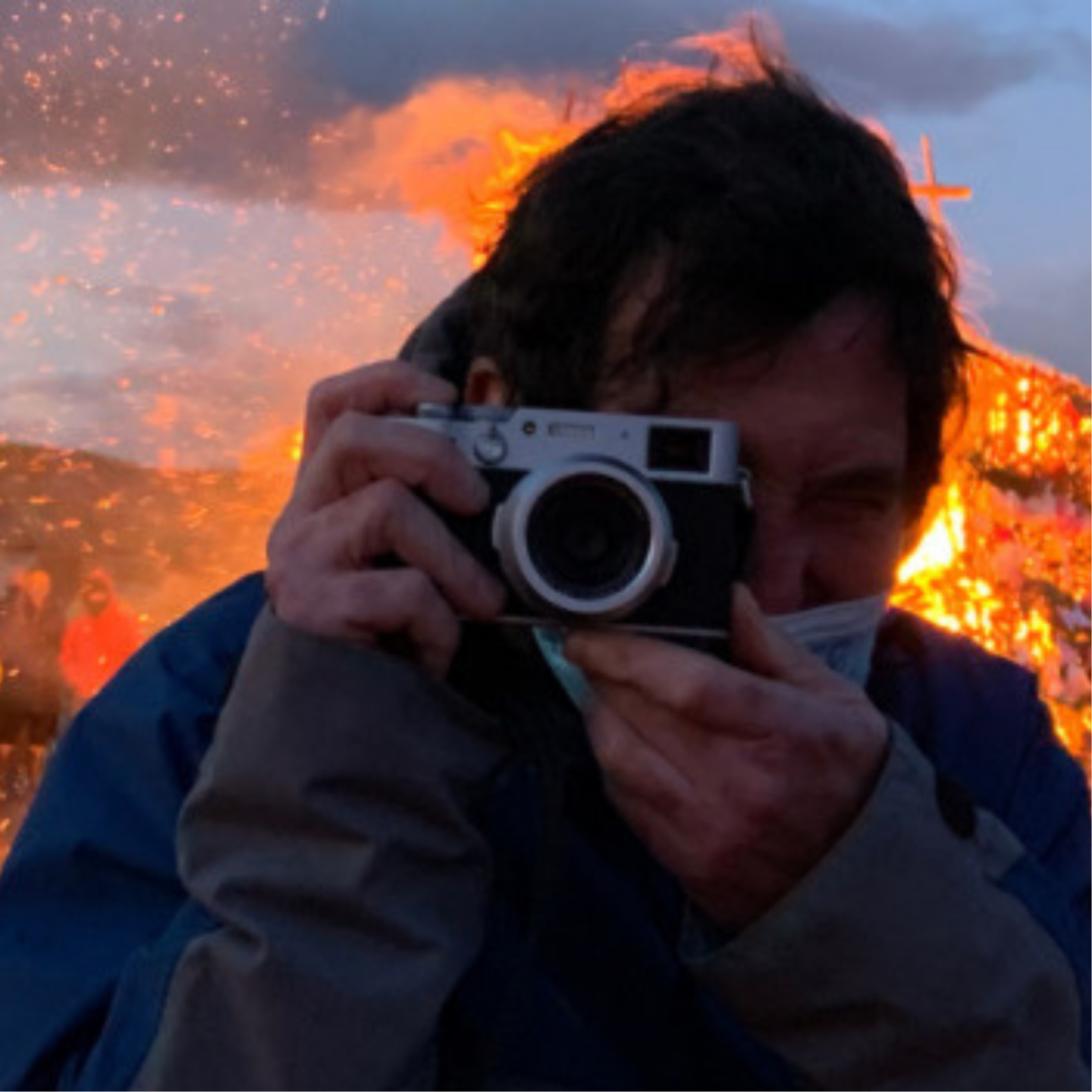
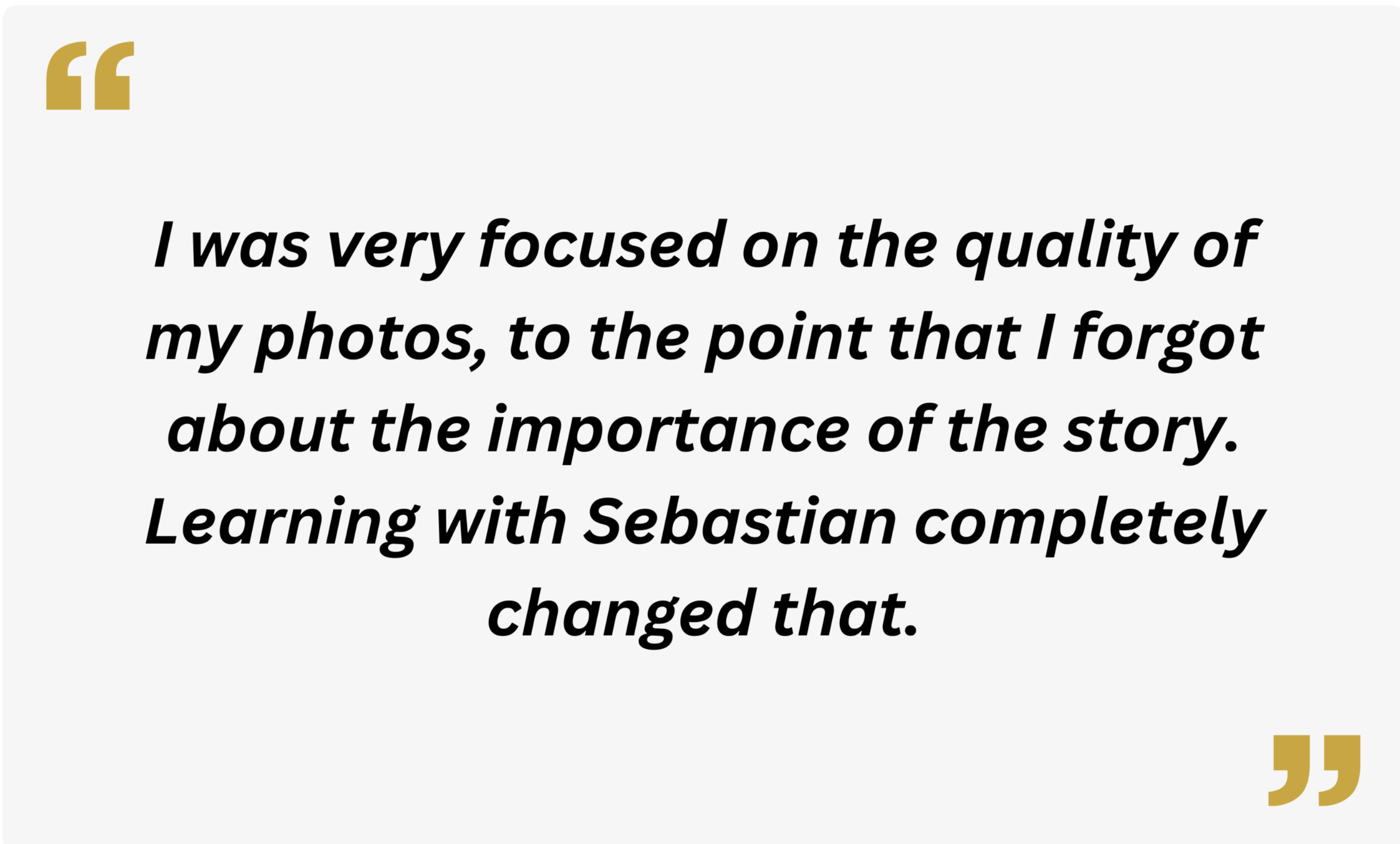
When Rafael and I began working together, he was not new to storytelling. He had spent years immersed in film, had a strong visual instinct, and carried a deep commitment to documentary work. What was missing was not discipline or ambition, but structure. He had returned to his big passion: still photography, with intensity and conviction, yet much of his energy was absorbed by image quality alone. The stories were there, but they were not fully articulated. The work existed, but it was not yet positioned, shared, or offered to the world with intention.
In our early one-to-one sessions, it became clear that Rafael did not struggle with motivation. He was already photographing consistently. What he lacked was a framework for decision-making: how to think about projects as complete narratives, how to move from production to articulation, and how to make his work visible without compromising depth. Photography had become something private, almost protective. The challenge was to shift from accumulation to authorship.
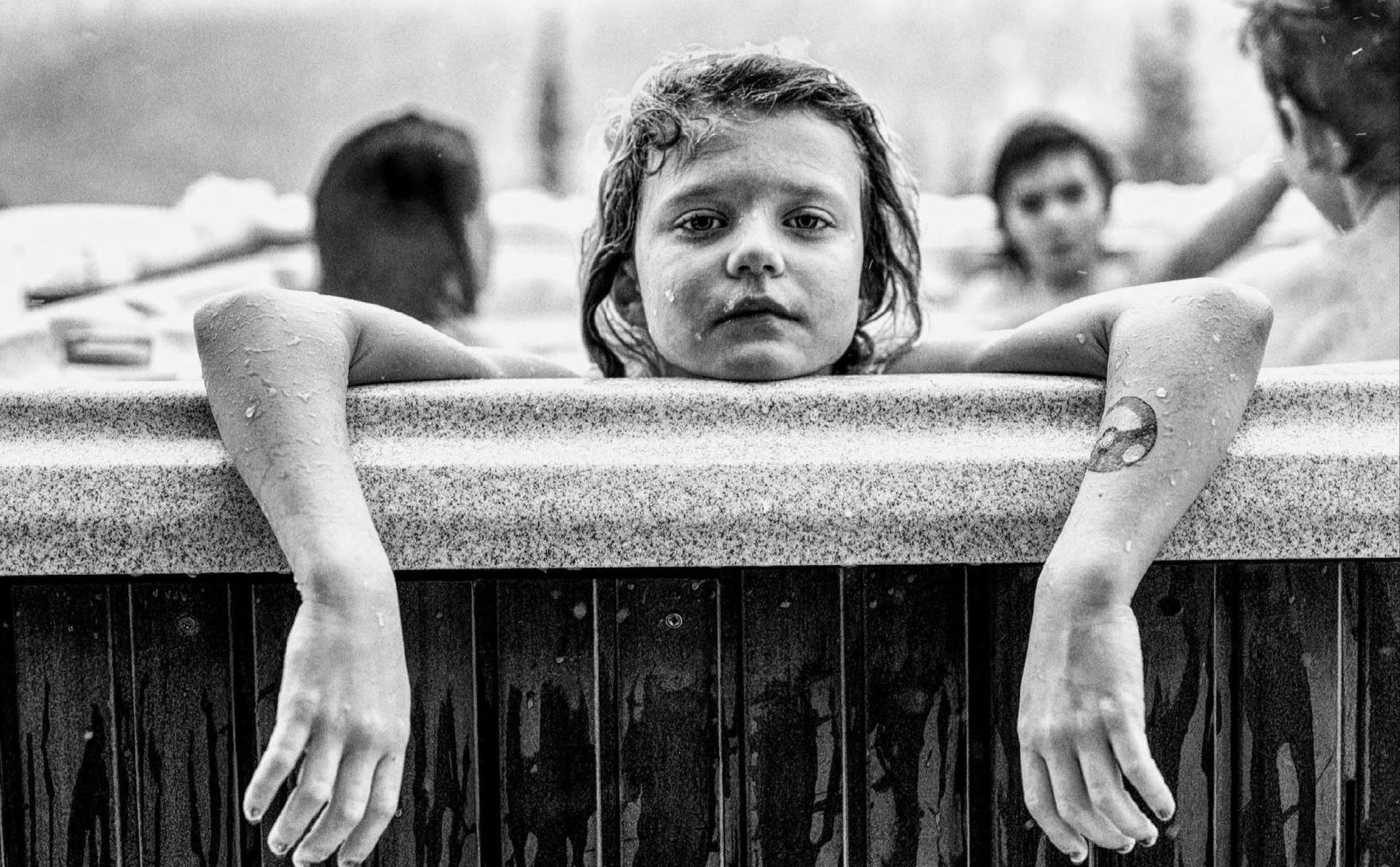
Together, we worked on reframing how Rafael approached visibility. We treated projects as offerings rather than personal archives. We discussed who each story was for, how it could be presented, and where it belonged. This led naturally to strategy: identifying the right platforms, preparing coherent bodies of work, and understanding how to communicate ideas clearly to editors, curators, and institutions.
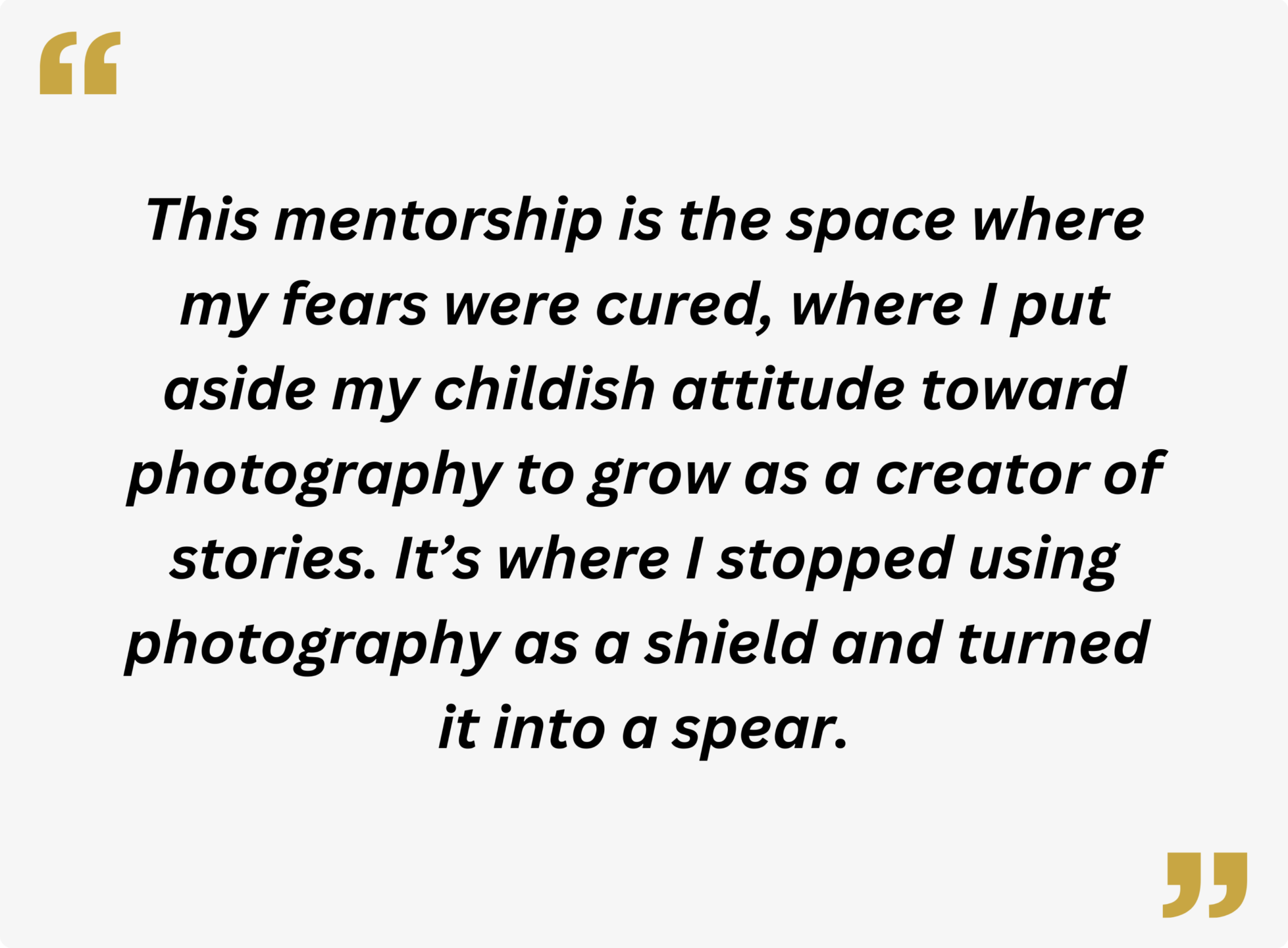
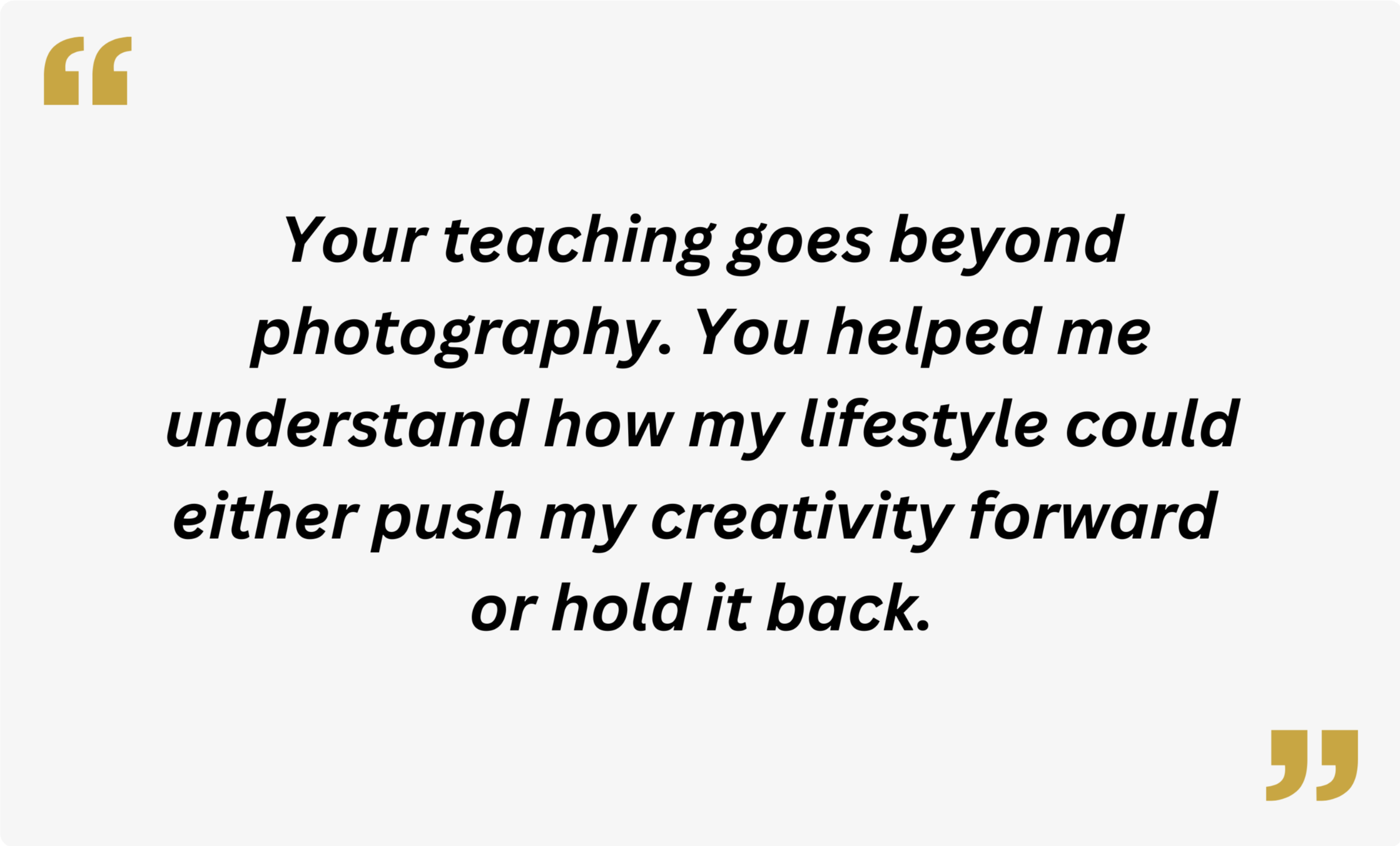
At the same time, the mentorship extended beyond technical decisions. We spoke often about sustainability. About the habits and rhythms that either support or sabotage long-term creative work. For Rafael, this meant confronting patterns of avoidance and fear, and replacing them with deliberate action.
Our work together focused on precisely that transition. Session by session, we addressed how stories are built, not only through individual images, but through sequencing, rhythm, and intent. We worked on understanding what each project was truly about and what it demanded editorially. Rather than producing more images, we focused on shaping what already existed. Editing became a form of thinking. Sequencing became a way of clarifying meaning.
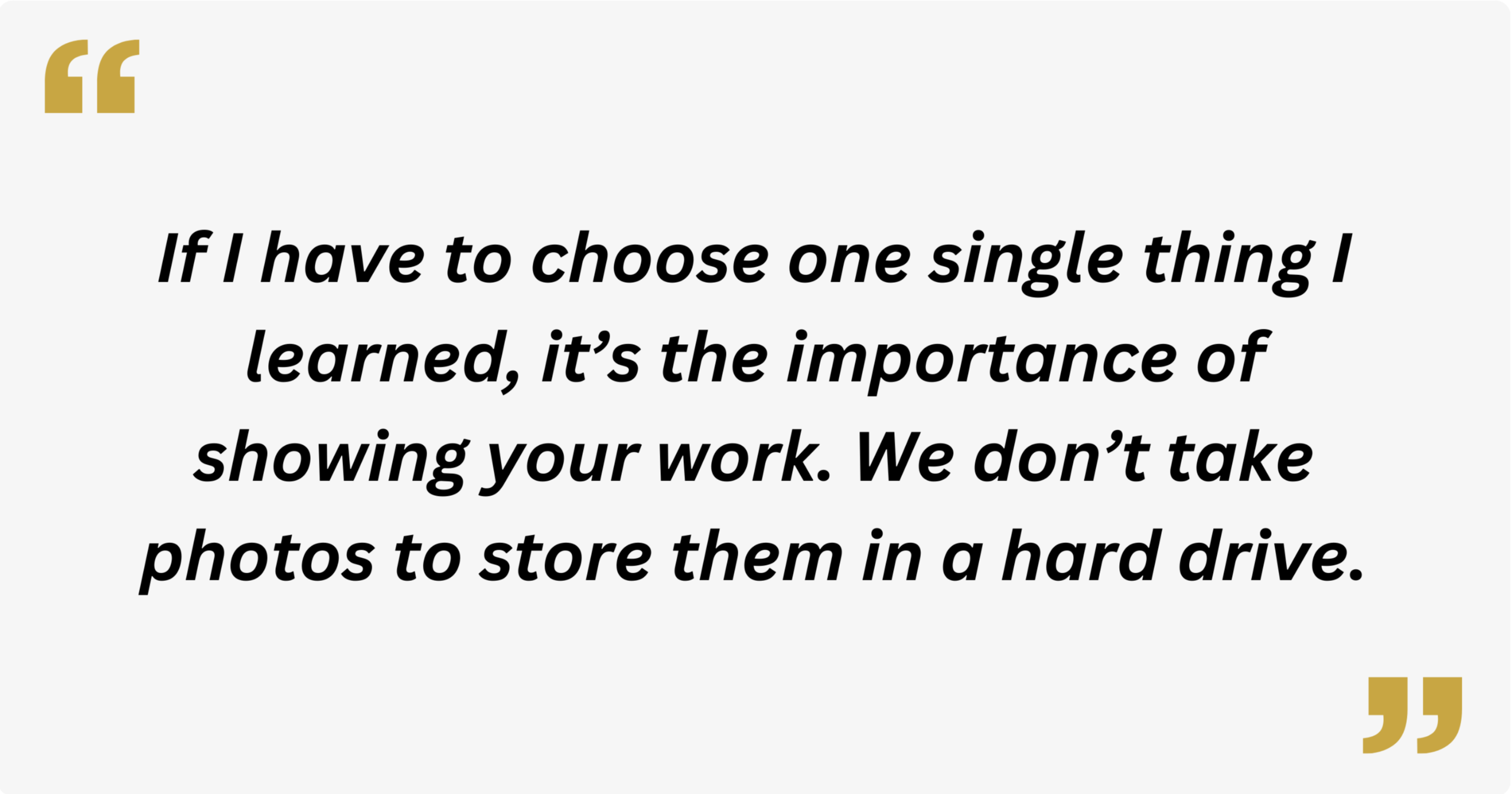
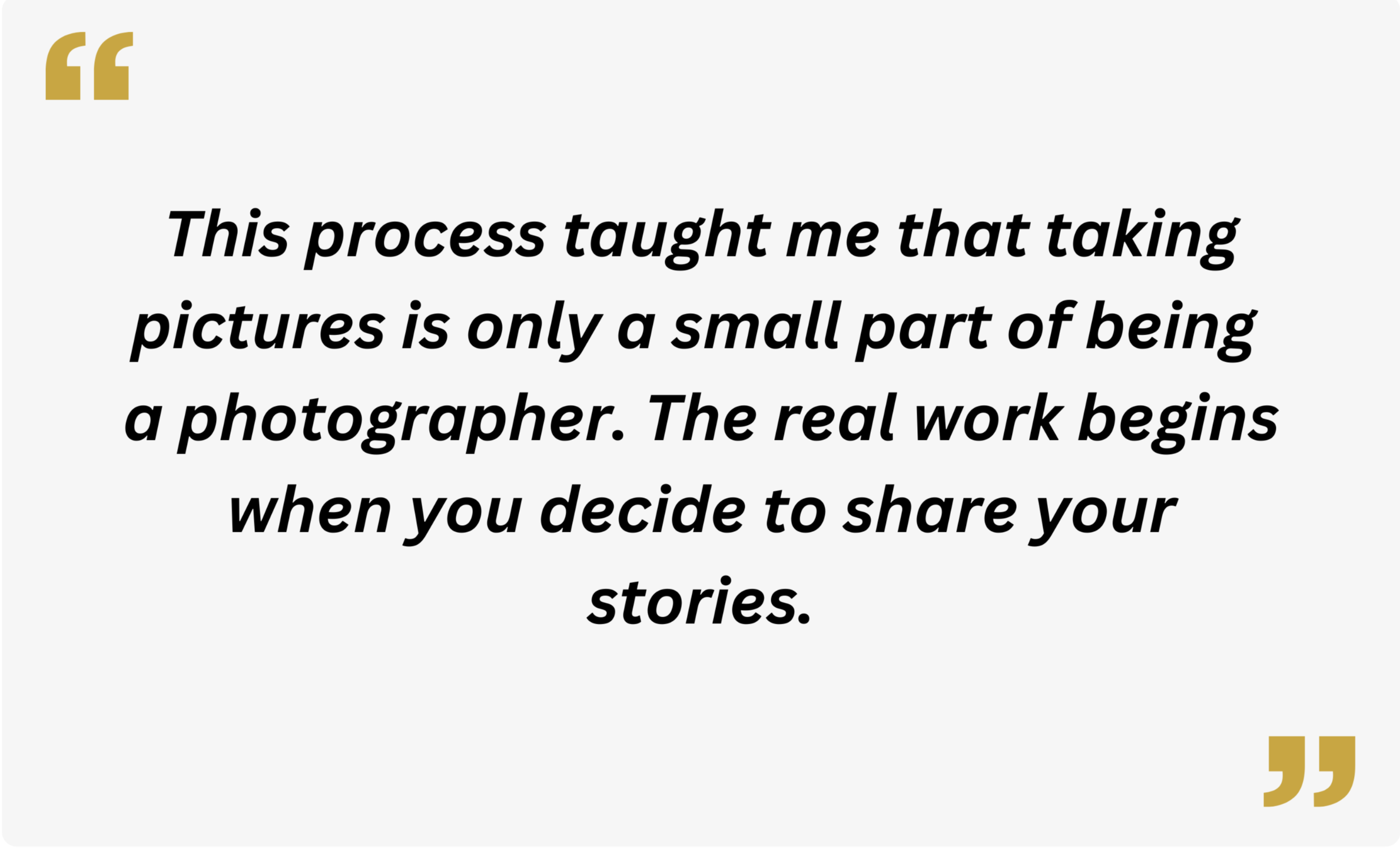
One of the most important shifts for Rafael was realizing that photography does not end when the images are made. Showing the work became a central pillar of the mentorship. Not just as promotion, but as responsibility. A project only exists when it enters a conversation.
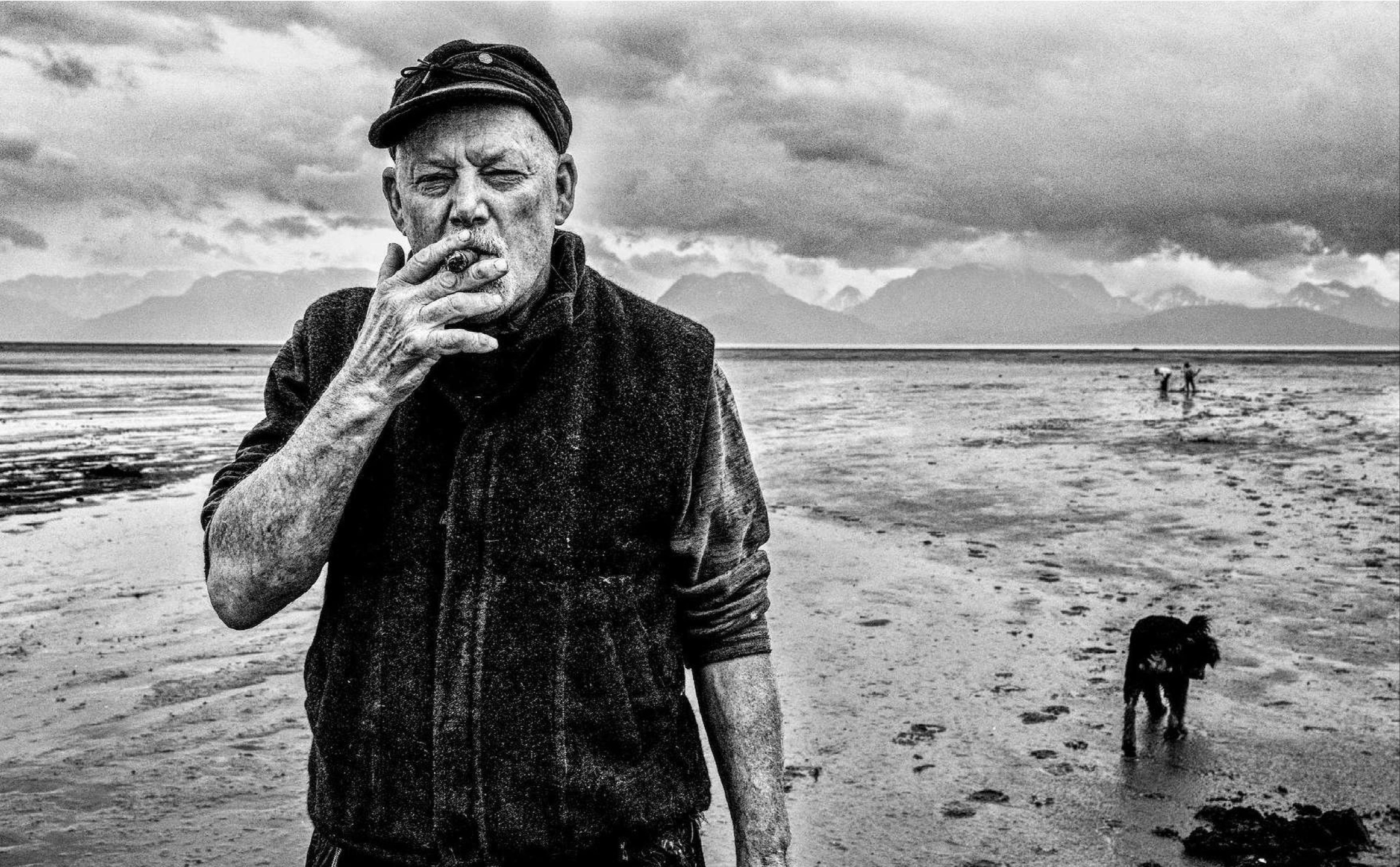
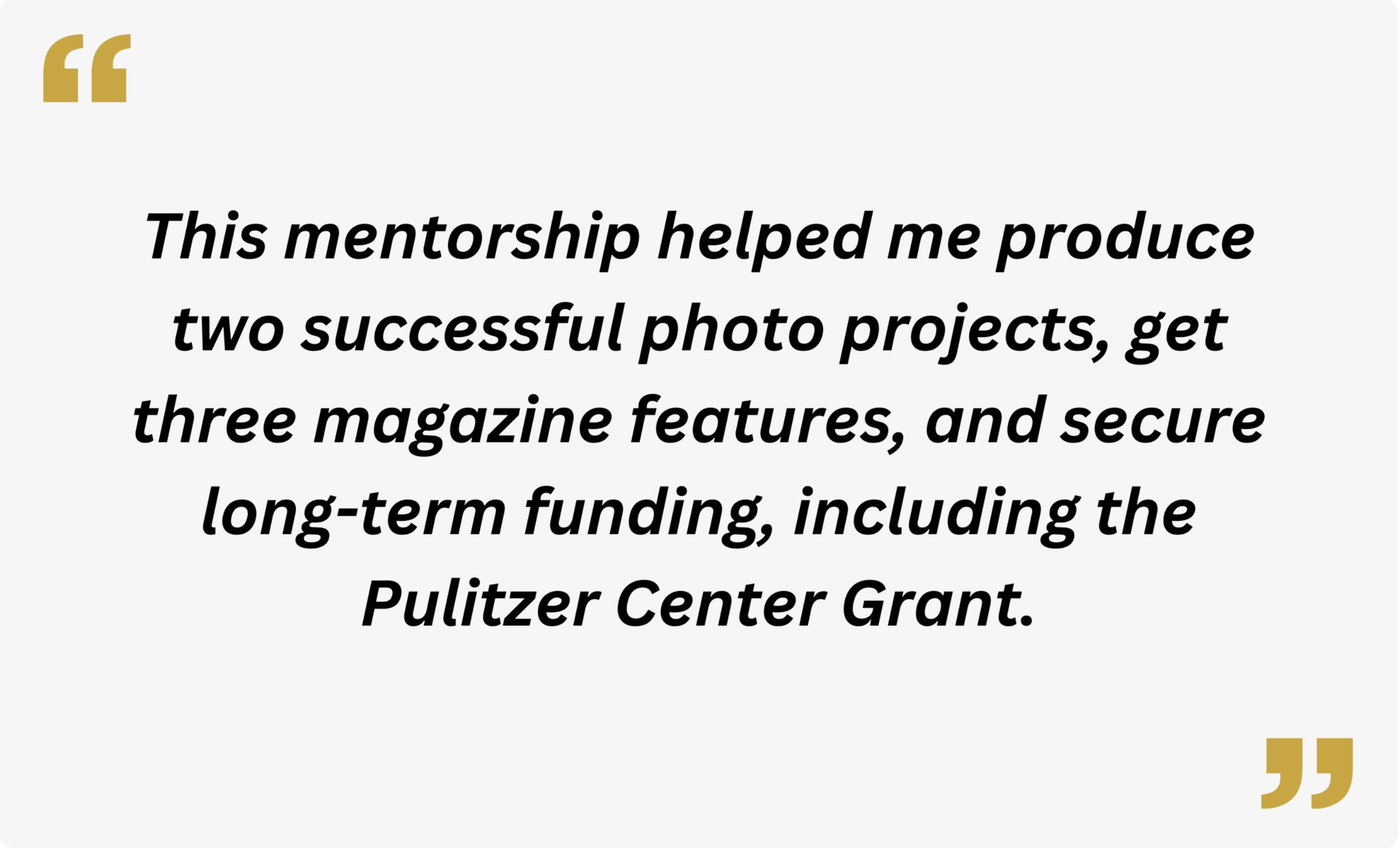
As structure entered the process, momentum followed. Rafael began completing projects rather than circling them. He produced two strong photographic bodies of work, each with a clear narrative arc. More importantly, he began placing them in the world. Publications followed, not by chance, but through consistency and intention. During the mentorship, his work appeared in three magazines, including Shadow and Light Magazine, marking a significant step in his transition as a still photographer.
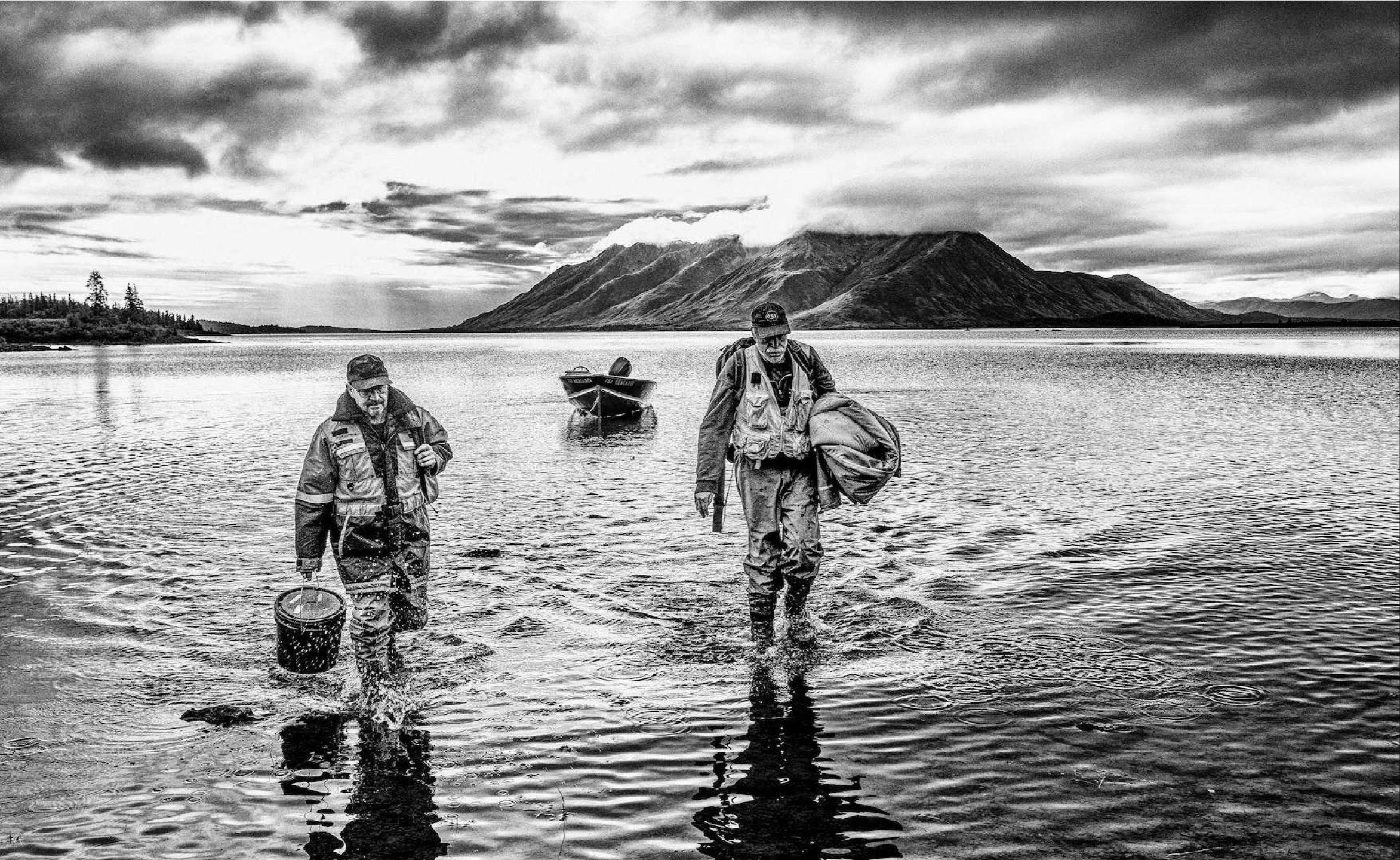
His long-term project on wild salmon extinction became a defining chapter of our work together. From early conversations about scope and responsibility, we shaped the project with rigor. We discussed access, ethics, narrative focus, and how to sustain a story that would take some time to unfold. The project was not rushed. It was built.
That clarity led to tangible recognition. The project received long-term funding, including support from the Pulitzer Center for Journalism and the Rasmuson Foundation. These were not isolated wins, but the result of sustained work, clear positioning, and a coherent vision.
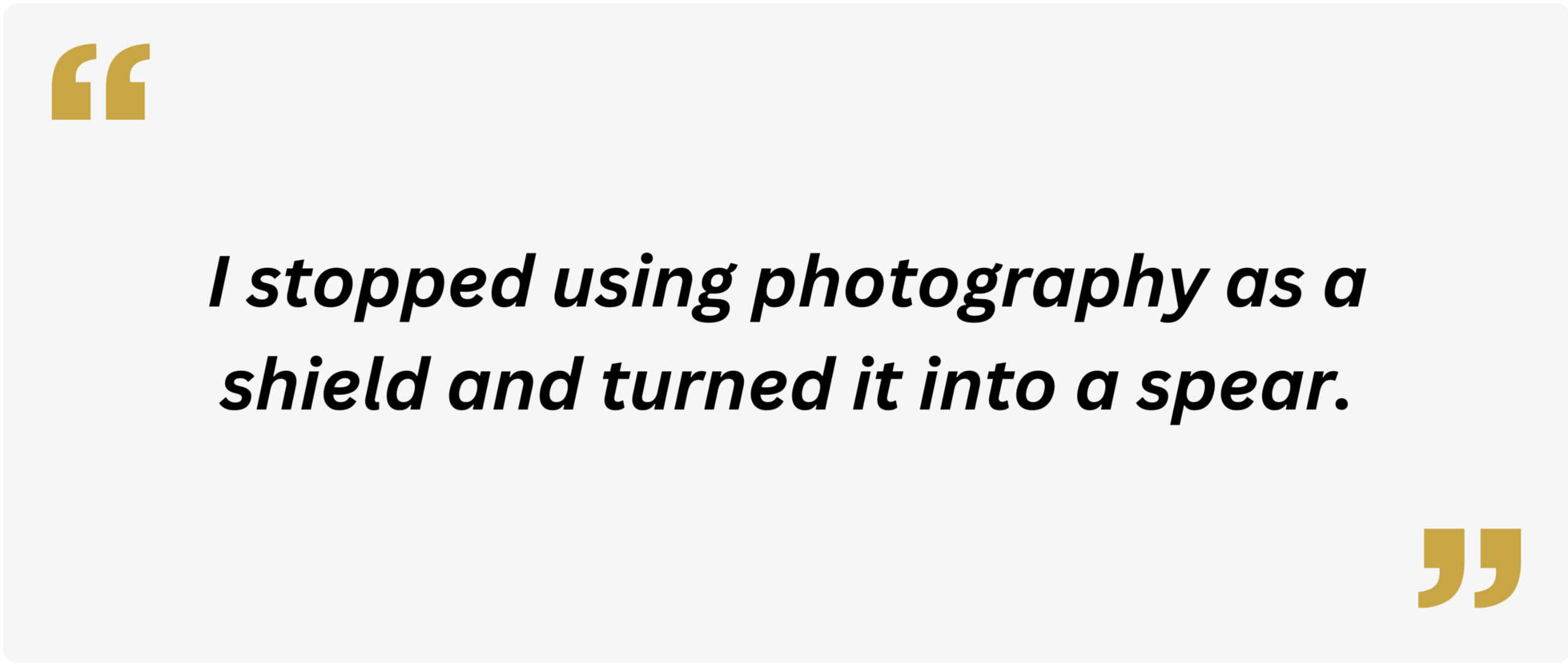
Equally important was what changed internally. Rafael stopped hiding behind technique. He began using photography with intent. The work became sharper, more direct, and more confident. The fear of exposure gave way to responsibility.
Over time, this shift affected how Rafael saw himself. He moved from thinking like a technician to thinking like an author. From waiting for permission to actively seeking dialogue. He was selected for the Santa Fe Portfolio Review, a moment that confirmed not only the strength of the work, but his readiness to place it in professional contexts.
What stands out most in Rafael’s journey is not any single achievement, but the accumulation of aligned actions. The mentorship did not replace his voice. It sharpened it. It did not create ambition. It gave direction to what was already there.
Rafael’s experience reflects the essence of the Mentorship Program. It is not about learning how to take better photographs. It is about learning how to think, decide, and act as a storyteller over the long term. About building systems that support clarity rather than fear. About understanding that commitment and perseverance only lead somewhere when the vision is clear and the method is sound.
Today, Rafael continues to work on multiple projects with confidence and consistency. His long-term salmon project is moving toward publication and broadcast. He is developing new photographic work with the intention of producing a photo book and engaging publishers from a position of strength.
His story demonstrates what becomes possible when experience meets structure, and when talent is paired with accountability. Not through shortcuts, but through sustained, thoughtful work.
Rafael did not become a different photographer through the mentorship. He became more intentional, focused, and precise in how he tells stories.
More than 20,000 photographers have signed up to learn how to build projects with clarity, intention, and impact.
Get the email series that reveals my Project Development Framework to help you craft a compelling project that creates real opportunities for your work.