

your photography?
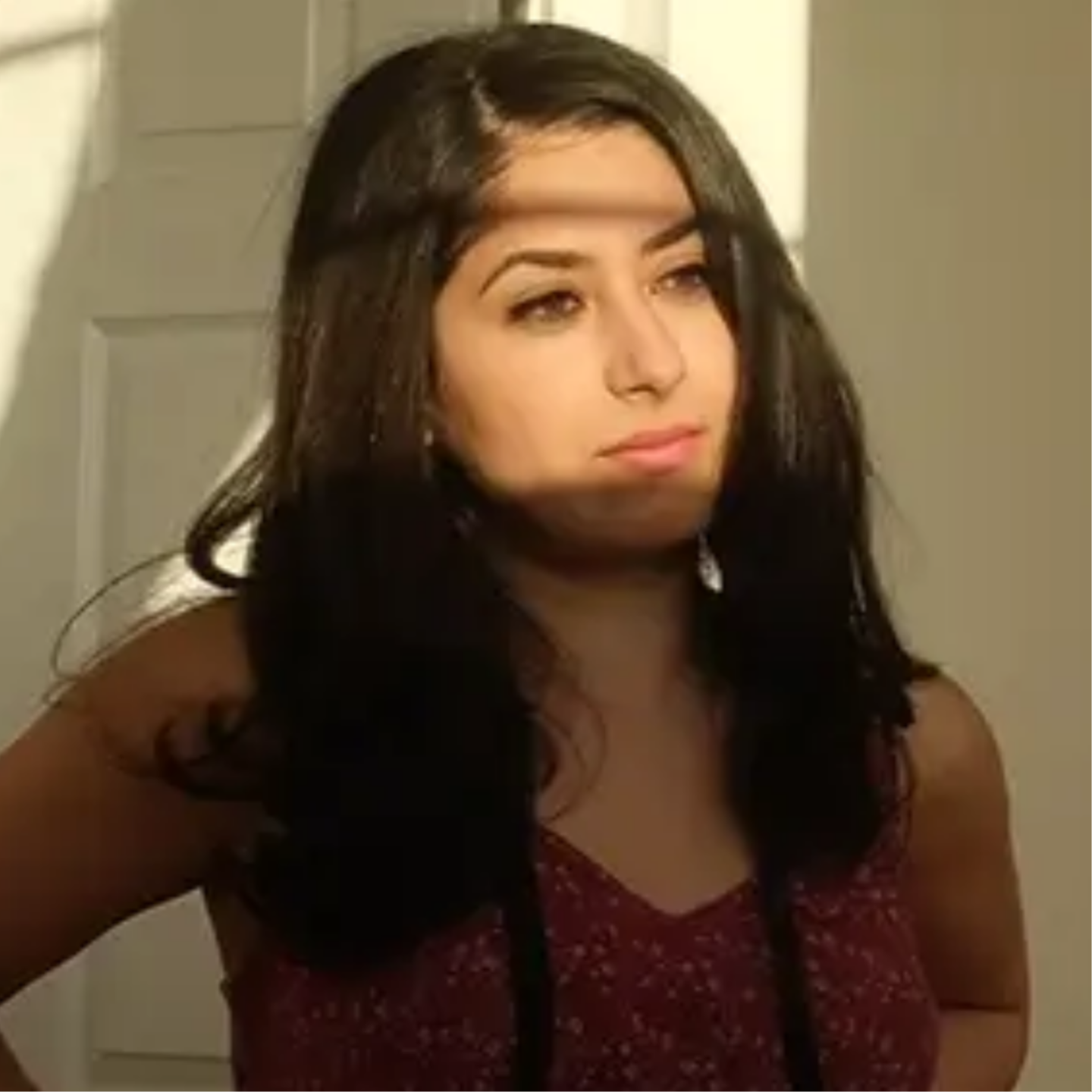
When Parisa Azadi entered the Mentorship Program, she was not at the beginning of her career. She was already an established visual journalist with nearly a decade of intensive work behind her, much of it produced under emotionally and politically demanding conditions in Iran. Her photographs had been widely published, her projects recognized, and her voice respected. Yet despite this external validation, she had reached a critical internal breaking point.
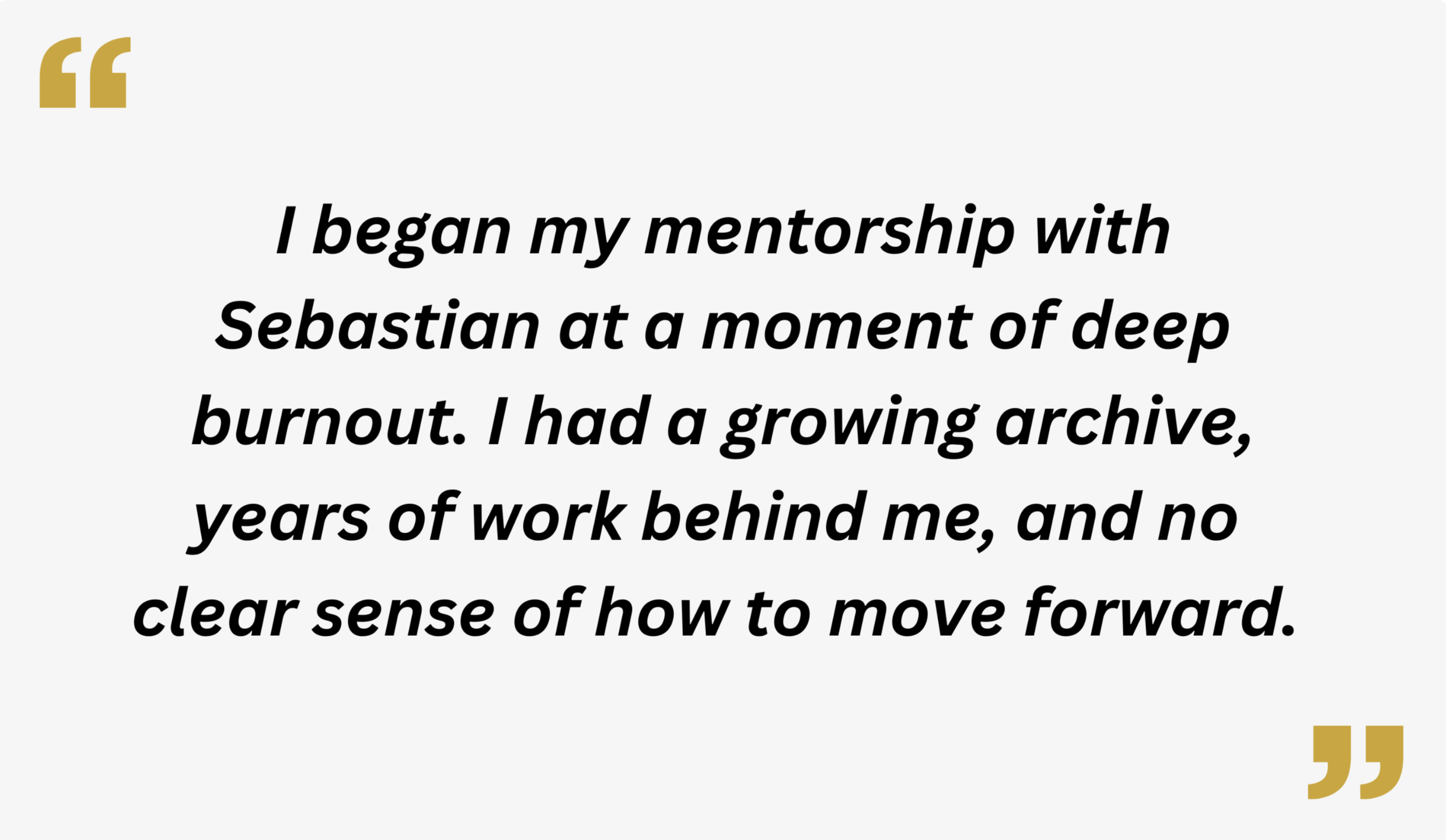
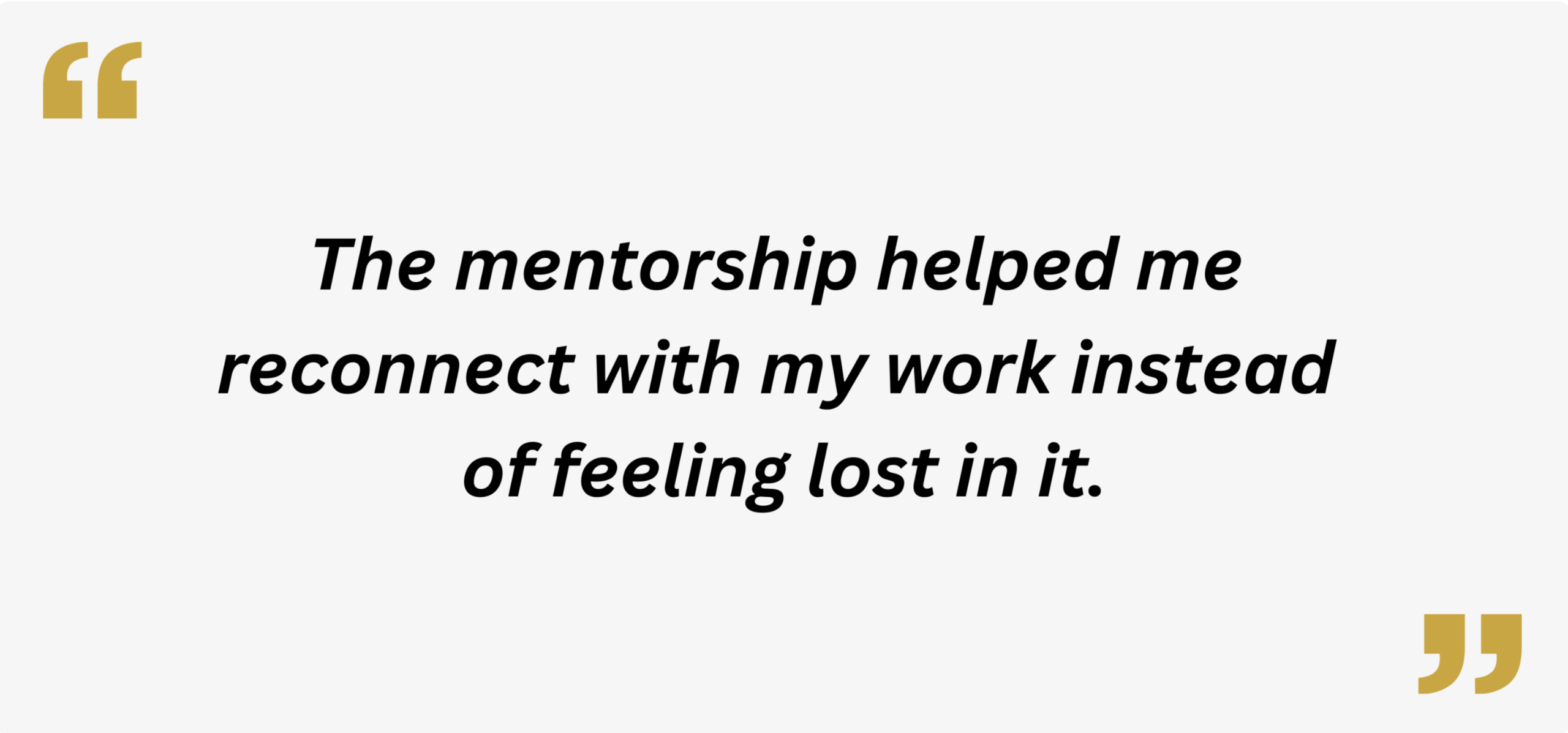
Years of working in isolation had taken a toll. Parisa carried a vast archive and several unfinished or unresolved bodies of work, but she no longer felt connected to them. Instead of clarity, she felt overwhelmed. Instead of momentum, she felt stuck.
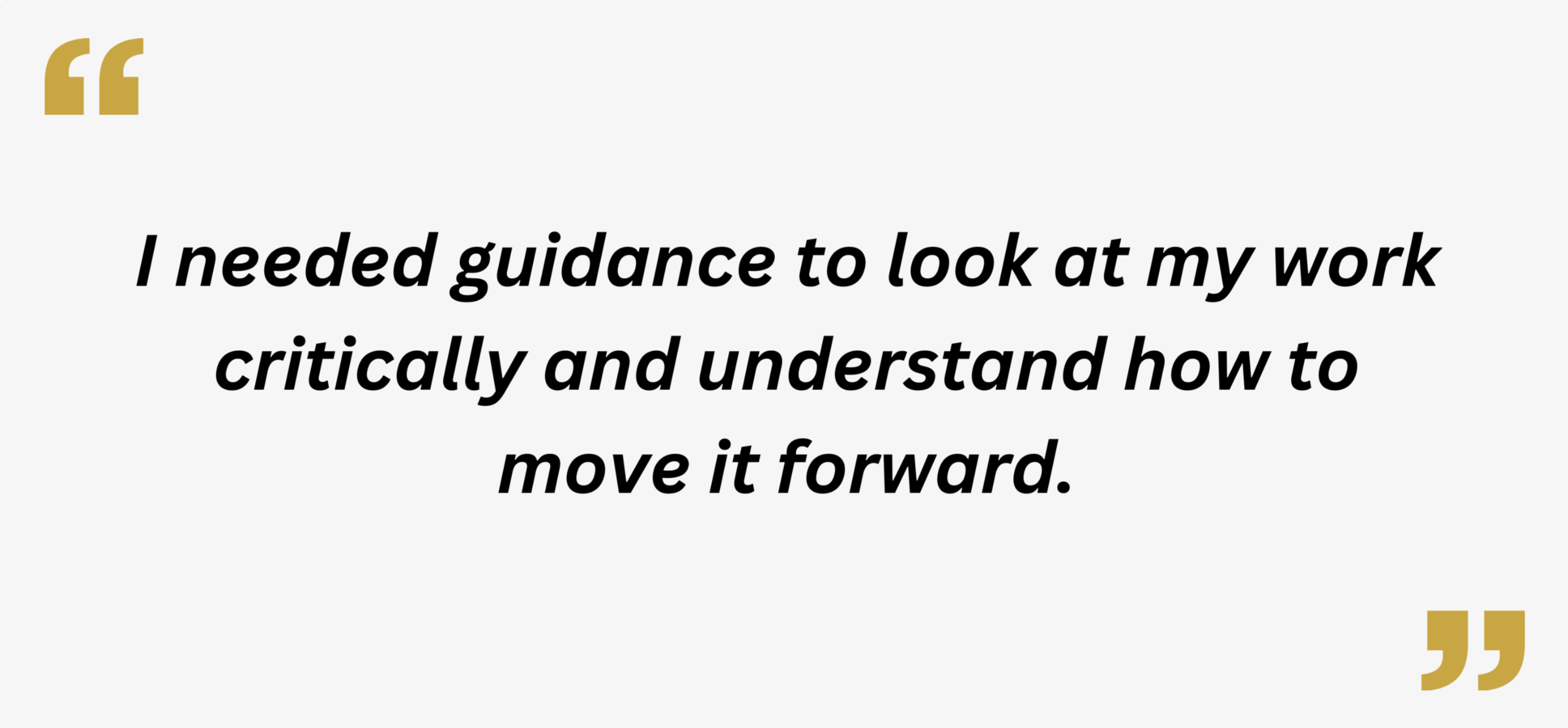
The mentorship began at precisely that threshold: not to produce more work, but to rebuild a sustainable, intentional relationship with the work she had already made.
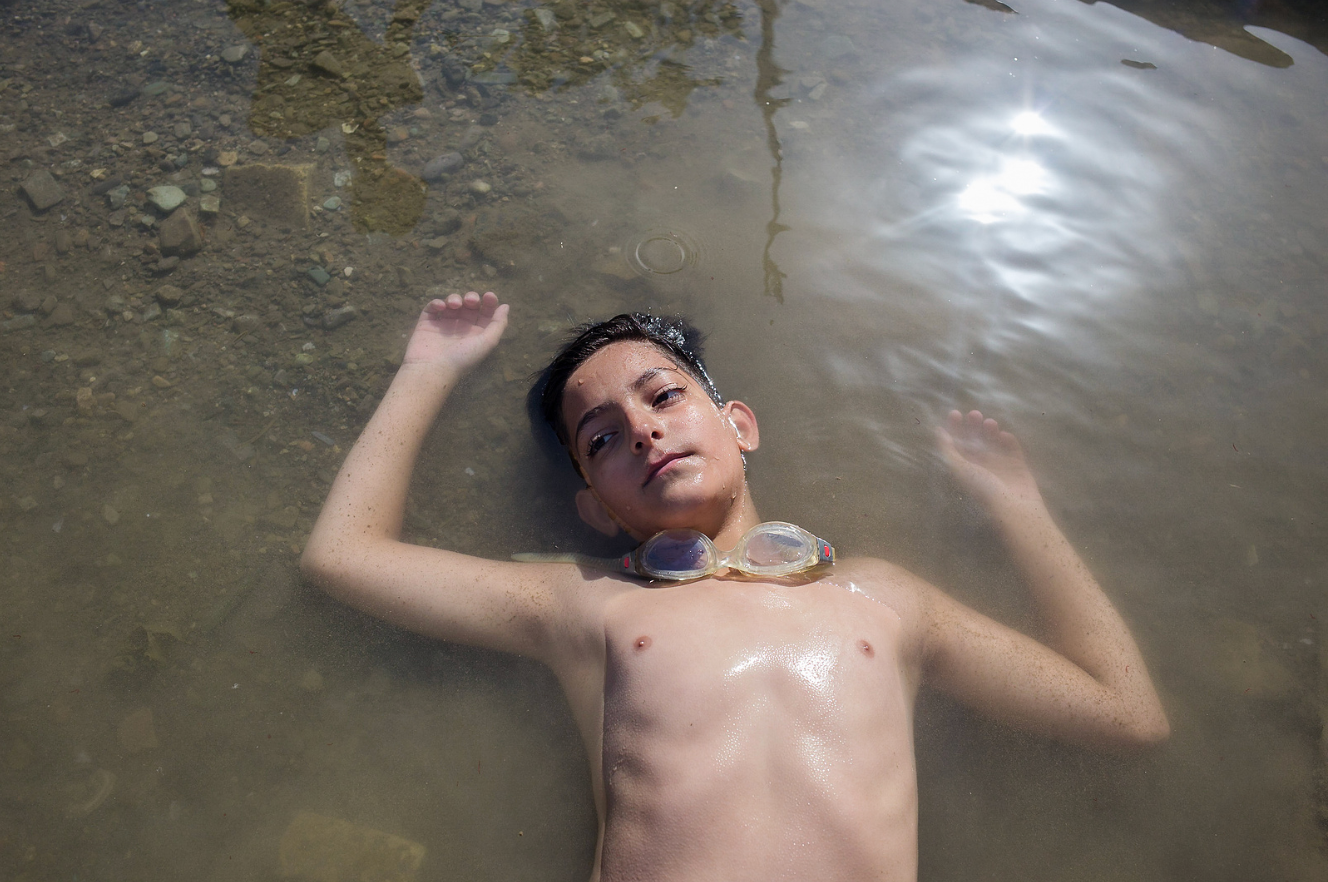
Through this process, Parisa learned to recognize connections she had not previously seen, and just as importantly, to identify gaps. Revisiting earlier work from Iran allowed her to reclaim images that had been overlooked and reposition them as foundational elements for a future book. What once felt like an unmanageable archive began to take on shape and intention.
The mentorship also addressed something deeper than editing: burnout.
The mentorship focused on structure rather than shortcuts, visibility, or quick wins. We returned to the fundamentals of strong visual storytelling: sequencing, narrative coherence, rhythm, and editorial intention. By working methodically through her archive, we identified what was essential, what remained unresolved, and where new chapters could be intentionally developed.
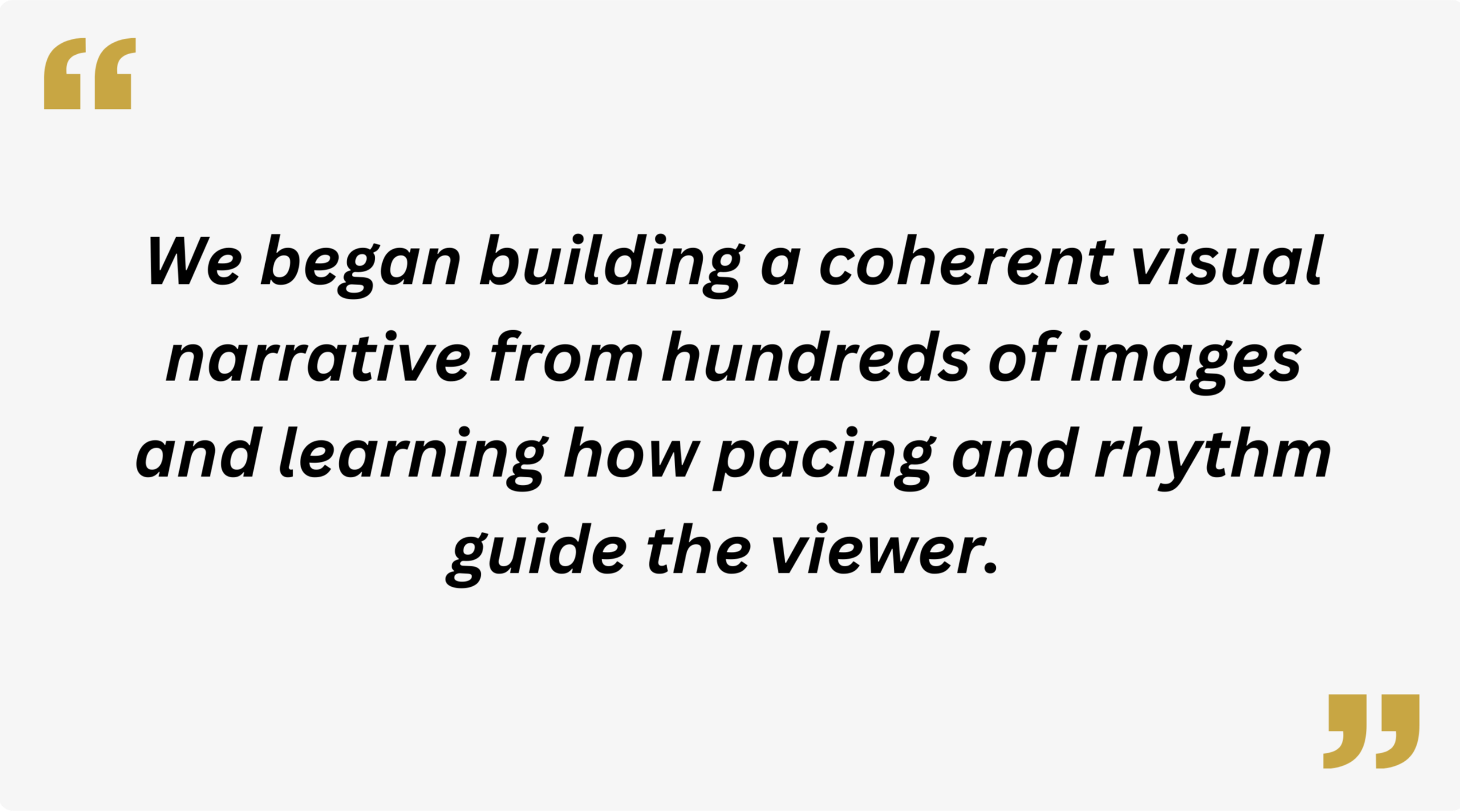
One of the first major steps was beginning to sequence a new project from hundreds of images. This was not an abstract exercise, but a practical one. We examined how images spoke to each other, where visual tension existed, and where the work needed space or clarity.
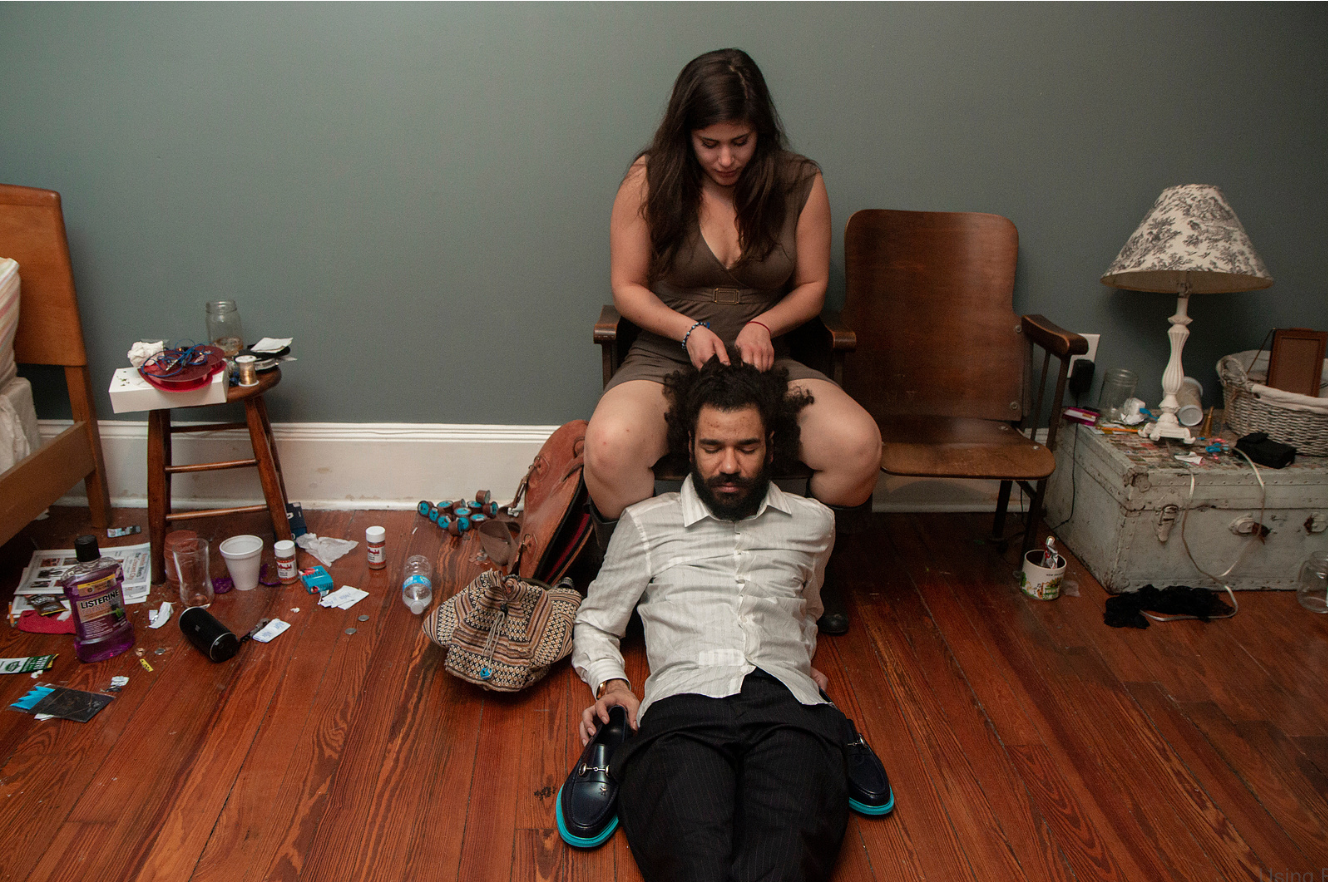
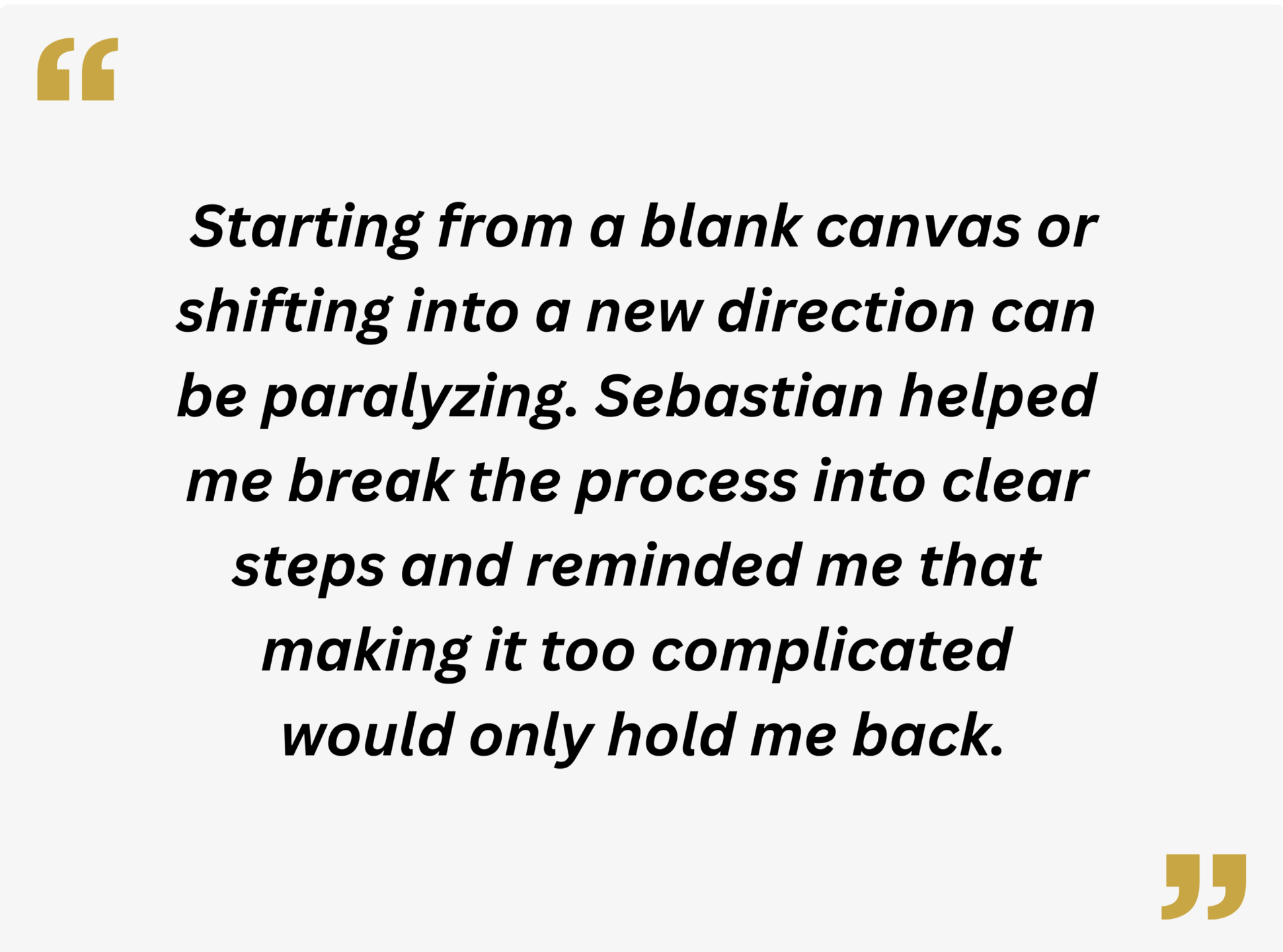
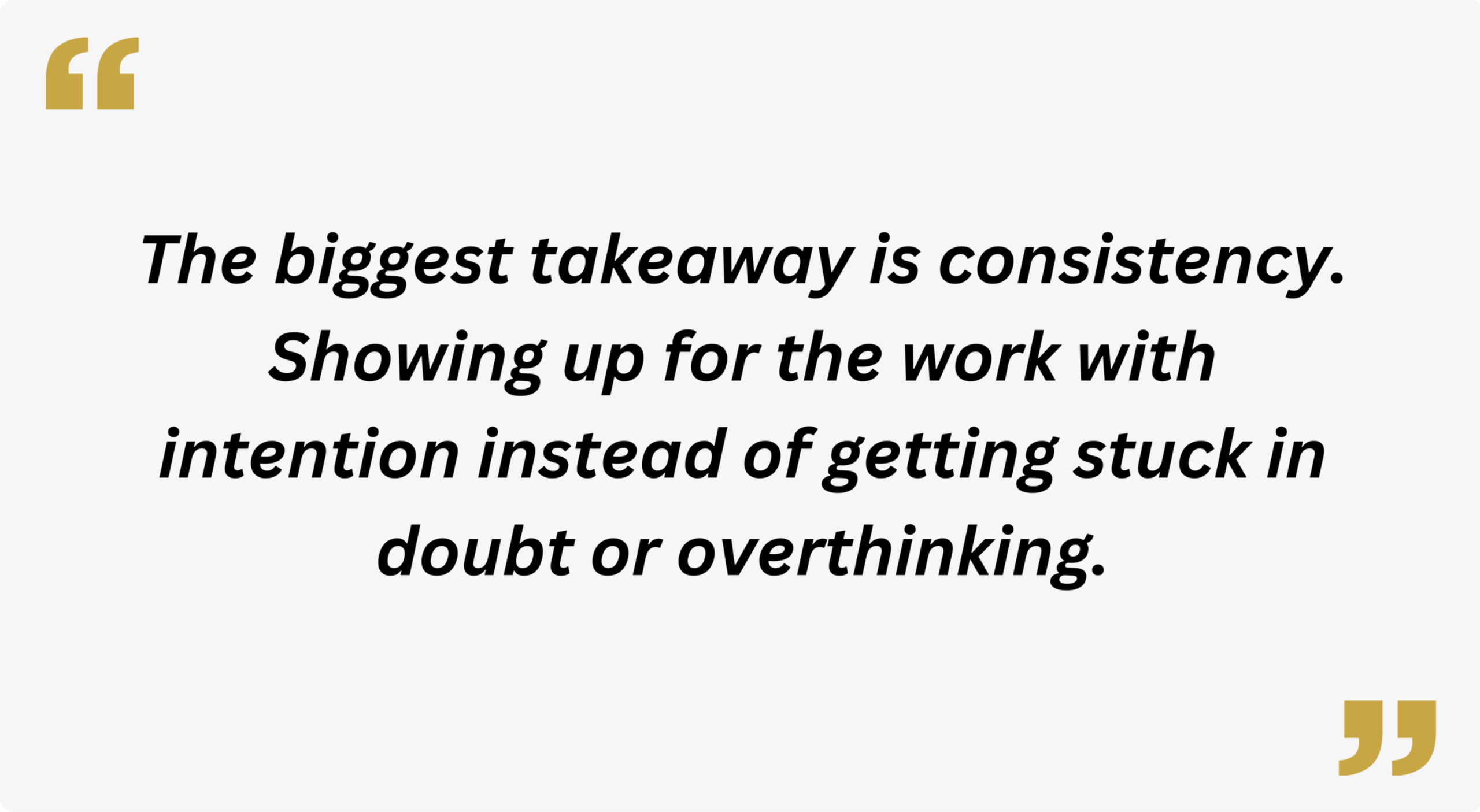
Instead of forcing productivity, we focused on restoring consistency. Session by session, we broke complex challenges into clear, manageable steps. This shift was crucial. Parisa began to move away from overthinking and paralysis toward daily, intentional action. The emphasis was not on perfection, but on continuity.
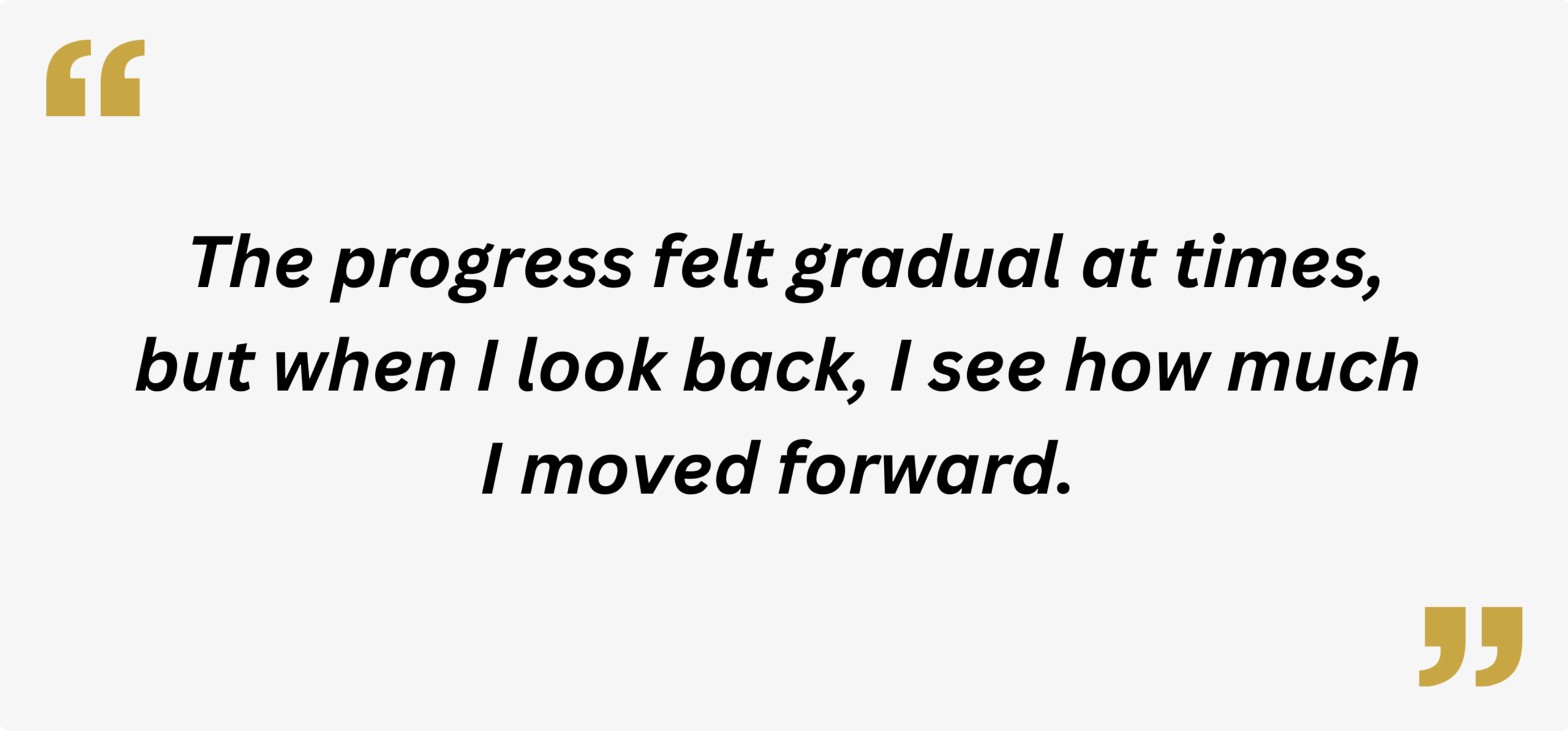
This clarity allowed Parisa to take creative risks again. With structure in place, she felt free to experiment rather than retreat. Over time, the fog of burnout began to lift. Progress felt incremental, sometimes quiet, but it was real, and consistent.
Looking back on our work together, the impact of this consistency became undeniable.
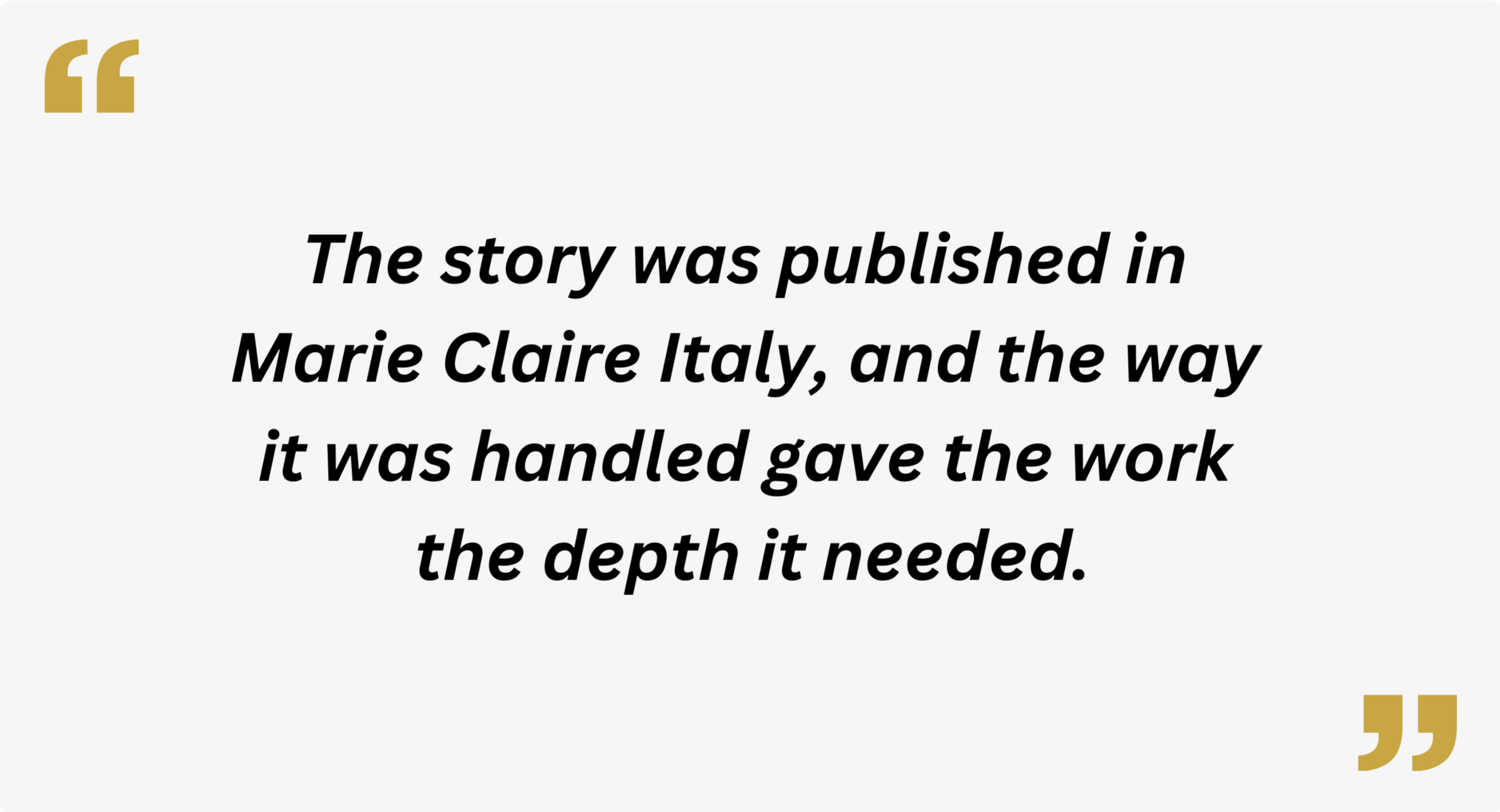
Parisa completed the demo for her first short audio-visual film. She presented her dream solo exhibition at Cortona On The Move festival, bringing together nine years of work from Iran into a single, cohesive presentation that included the film. She exhibited at Belfast Photo Festival. She published a new story about Iran in Marie Claire Italy, working closely with an editor and writer who handled the narrative with care and nuance.
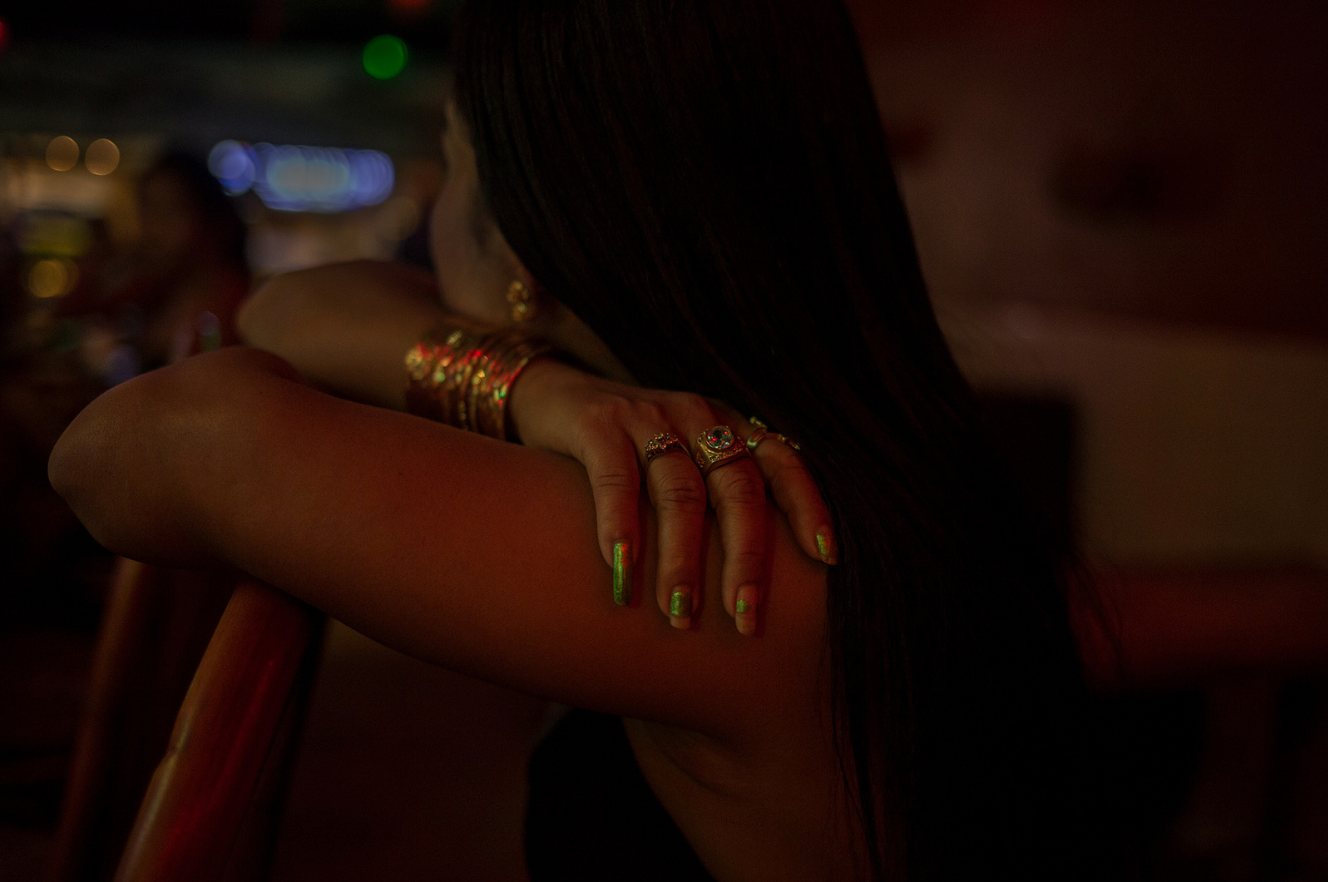
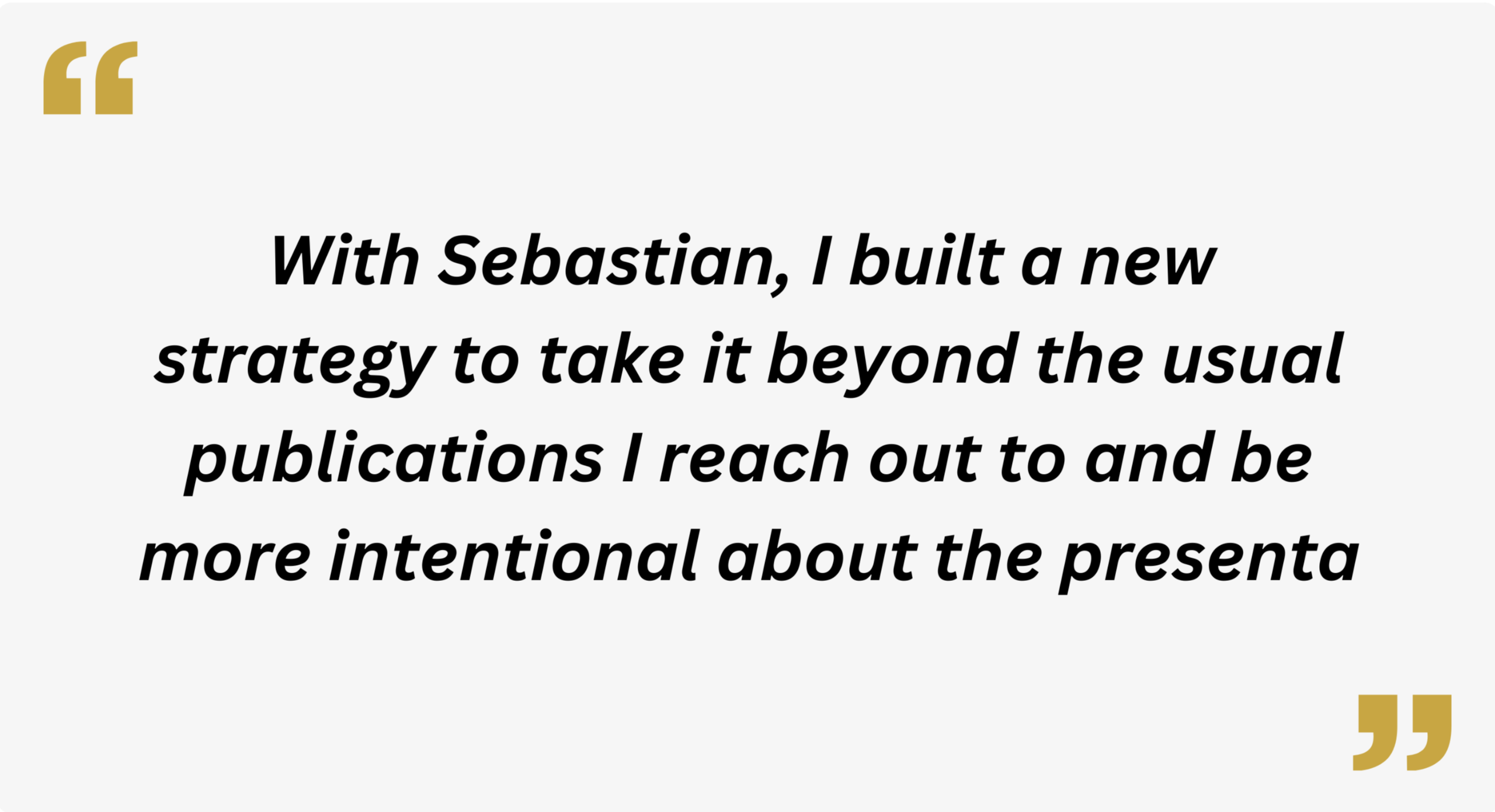
A pivotal moment in the mentorship came when Parisa revisited a story she had struggled to publish for over a year: a project about young Iranians and the rare sense of freedom they find through travel. Rather than abandoning it, we reworked the strategy entirely.
The approach shifted from mass pitching to targeted, thoughtful outreach. Beyond email pitches, Parisa began sharing the work in person and reaching out to art magazines that aligned more closely with the story’s tone and complexity. A brief conversation with a curator led to the work being shared internally, eventually reaching Marie Claire Italy.
The resulting publication honored the personal and political layers of the story. The design, image selection, and accompanying text gave the work the space it deserved.
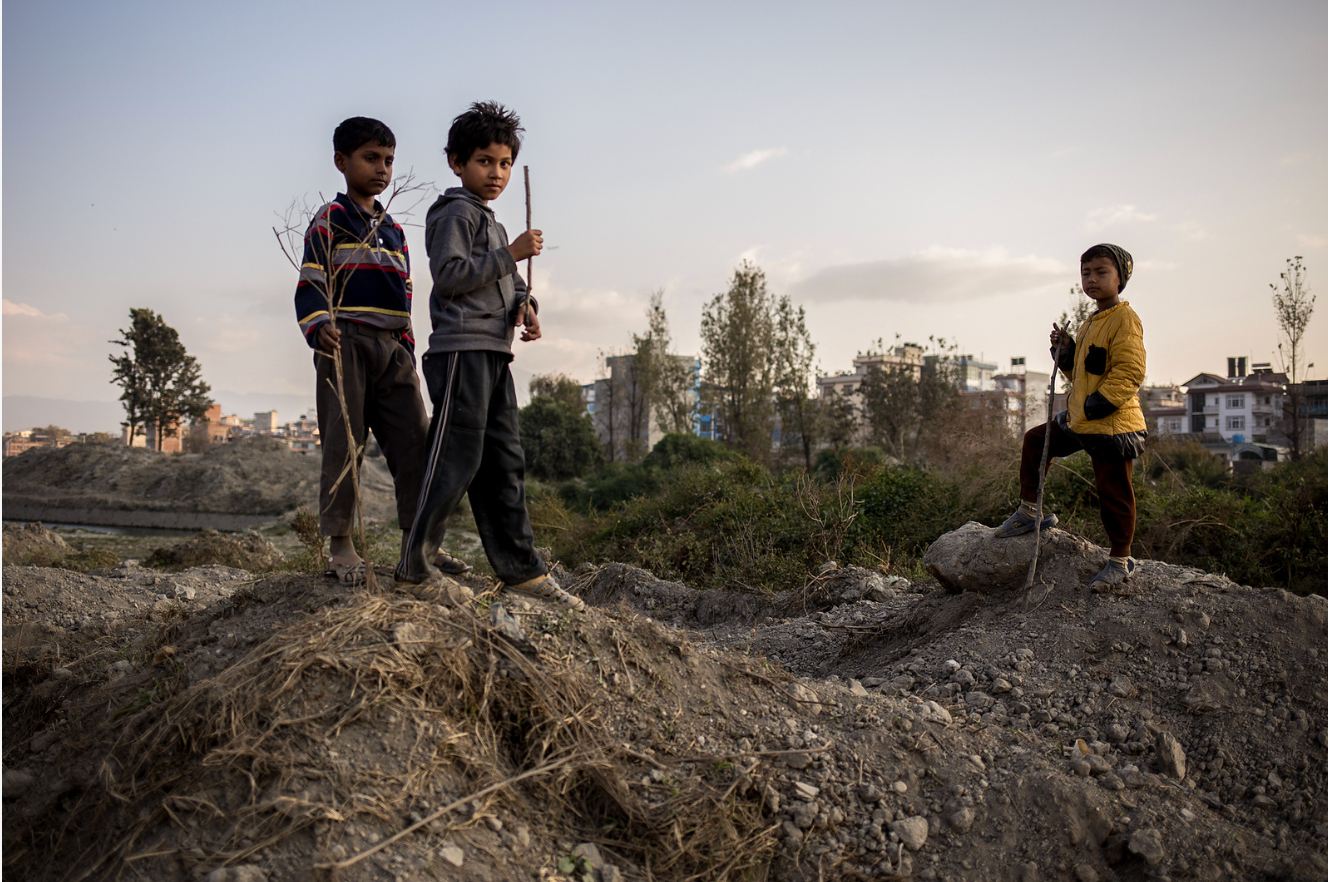
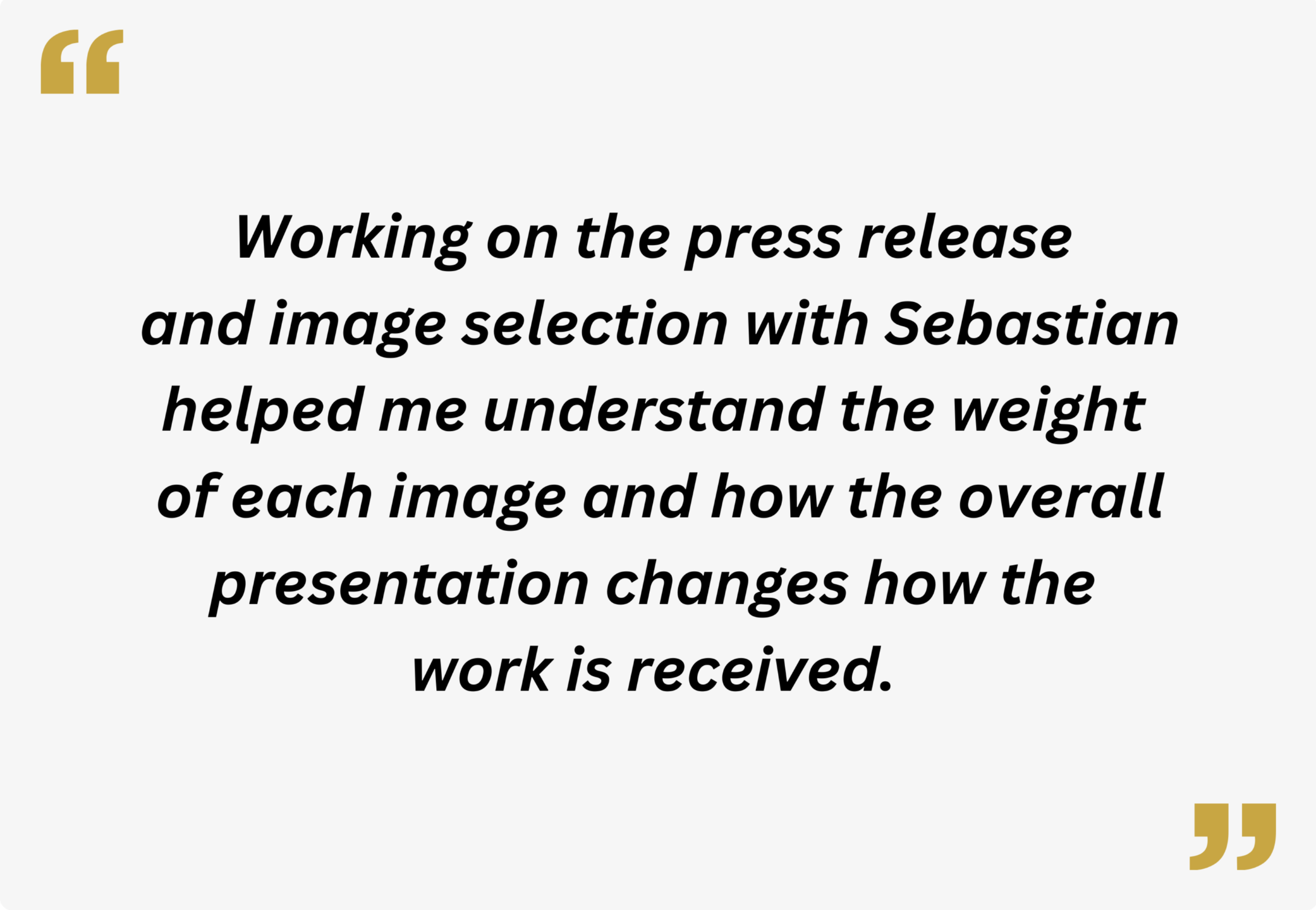
Another defining chapter of the mentorship was Parisa’s preparation for her solo exhibition at Cortona On The Move. Together, we refined the image selection and press materials, paying close attention to how each photograph shaped the reading of the work.
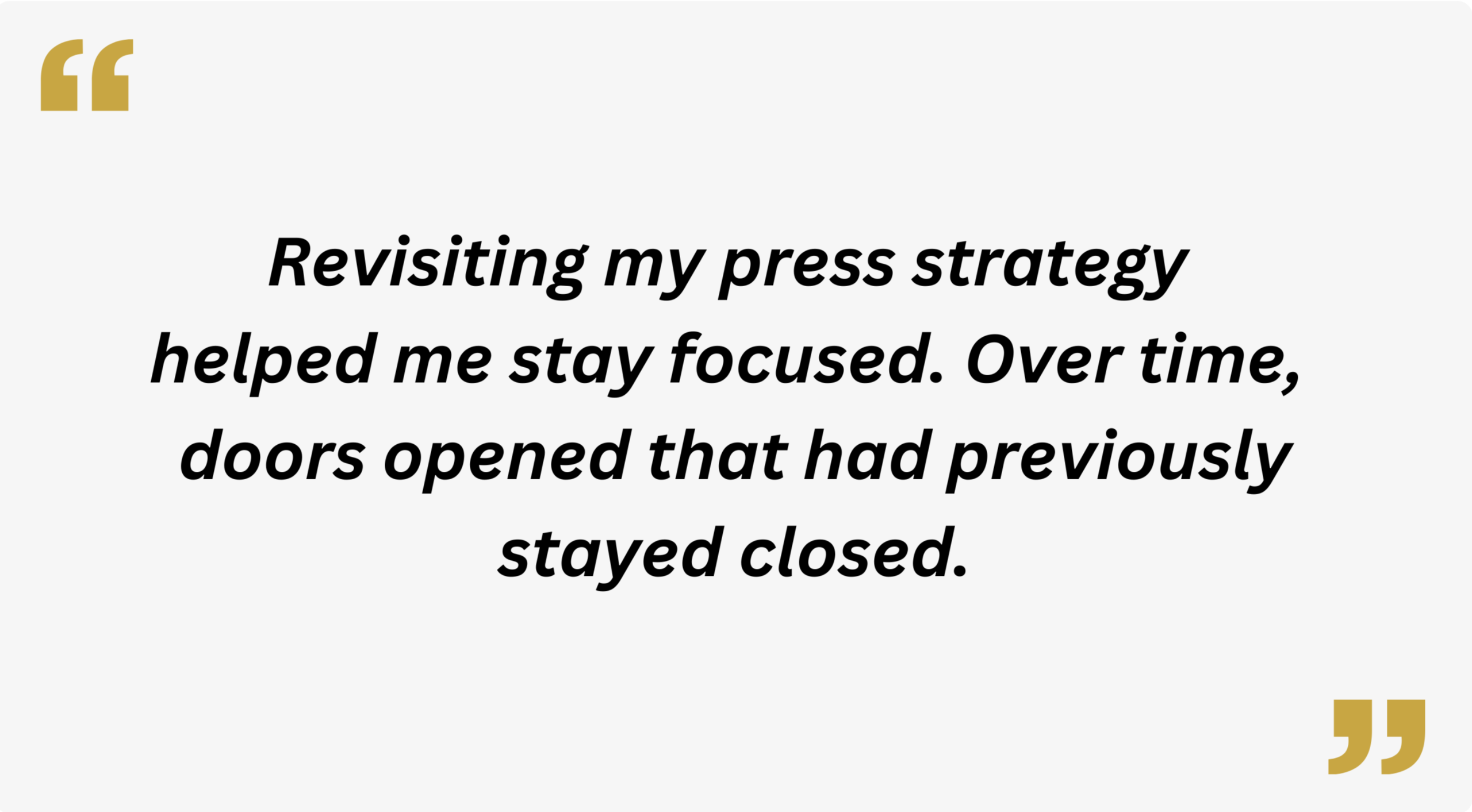
Press outreach can be exhausting, particularly after repeated rejections. The mentorship provided both strategy and steadiness. We revised her pitch language, refined the visual package, and built a targeted list of publications and art magazines aligned with her work.
The results followed gradually, then decisively. Interviews, reviews, and features began to appear. Journalists engaged the work with greater depth. A publication Parisa deeply admired, Musée Magazine, published a thoughtful review of her exhibition.
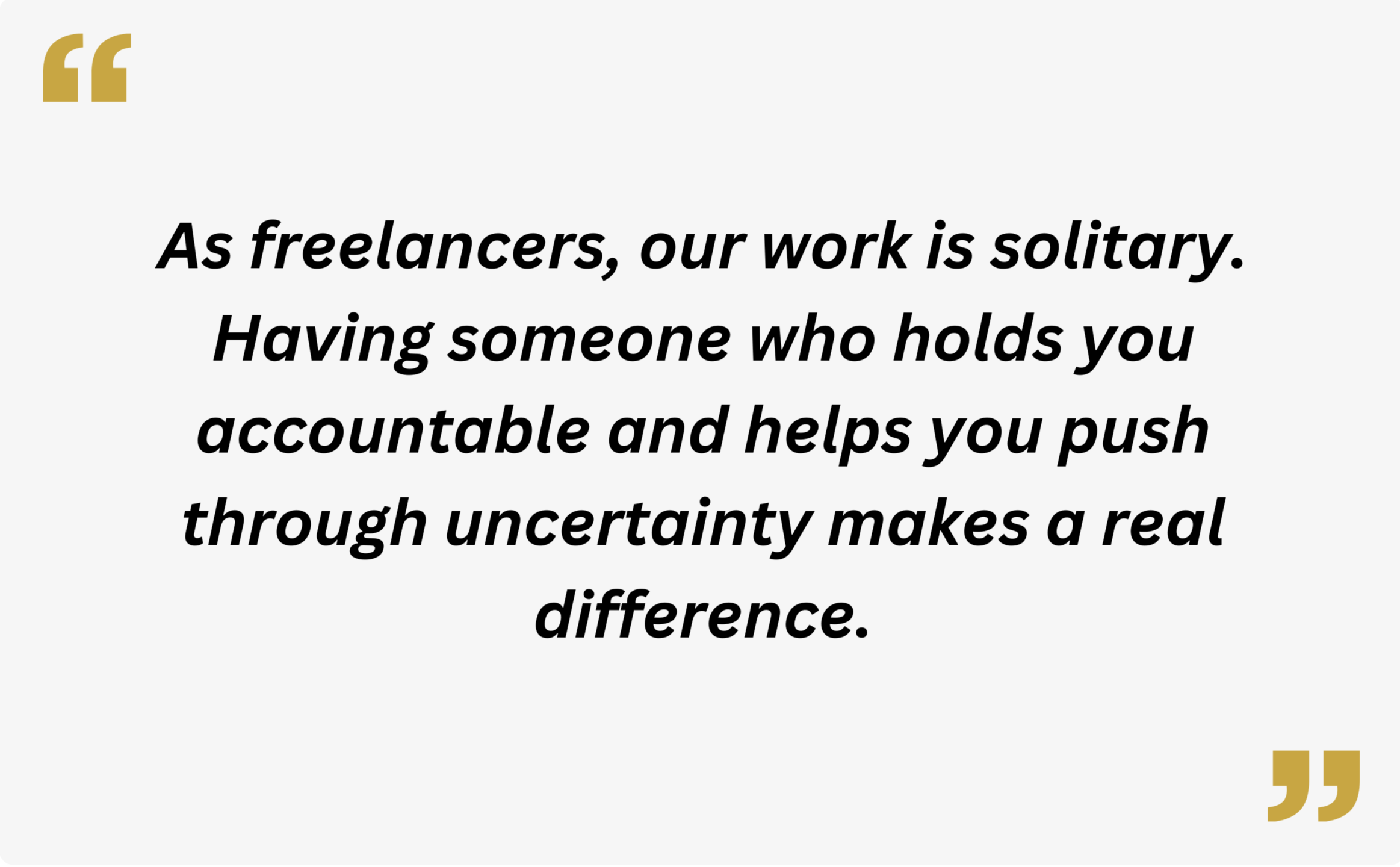
Beyond tangible outcomes, what Parisa emphasizes most is the value of consistent mentorship itself.
The mentorship was not about shortcuts. It was about showing up. Again and again.
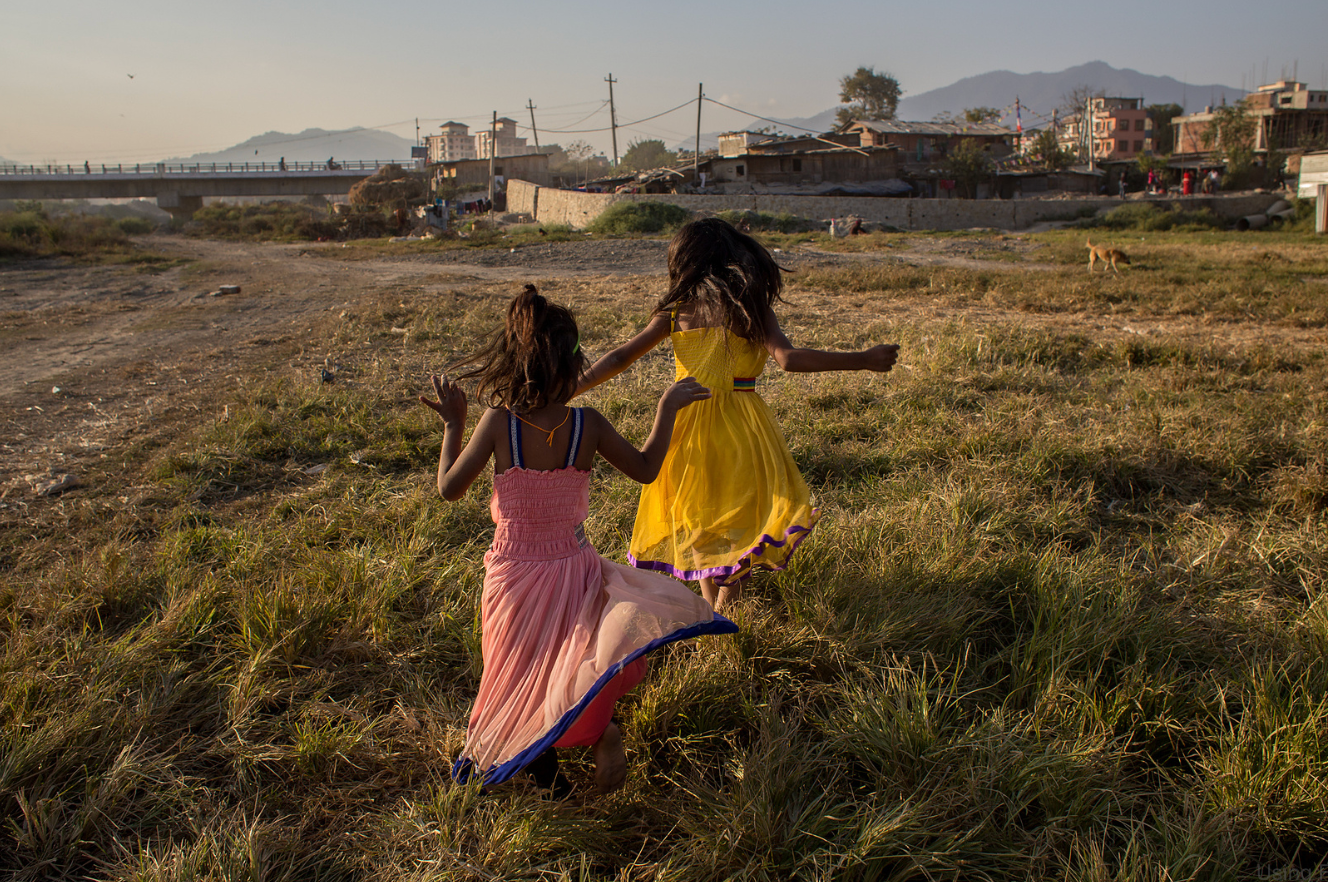
Parisa’s experience reflects the deeper purpose of the Mentorship Program. It is not about replacing the photographer’s voice, but about creating the conditions in which that voice can evolve, sustain itself, and be heard with clarity.
Her journey shows what becomes possible when an experienced photographer is given structure, reflection, and steady guidance at the moment it matters most. Not at the beginning, but at the point where continuation itself feels uncertain.
Through the mentorship, Parisa did not just move projects forward. She rebuilt trust in her process, reclaimed authorship over her archive, and reconnected with the reasons she began telling stories in the first place.
Her story stands as a powerful example of how mentorship, when approached with rigor and intention, can transform burnout into momentum, and uncertainty into meaningful, long-term growth.
More than 20,000 photographers have signed up to learn how to build projects with clarity, intention, and impact.
Get the email series that reveals my Project Development Framework to help you craft a compelling project that creates real opportunities for your work.